Limited-time game modes should be one of MARVEL SNAP’s cleanest wins. They give players a reason to log in, experiment, earn rewards, and play something that is not the same ladder loop. The problem is not that these modes exist. The problem is that their reward structures keep turning fun experiments into pressure points.
This Ban List episode lands on a strong target: exclusive cosmetics and progression differences inside temporary modes. If a mode is only around for a short time, the game has to be very careful about what it locks behind that window.
The Short Version
- Limited-time modes are good for Snap when they create variety without creating regret.
- Exclusive borders, effects, and reveal cosmetics should not be trapped inside short windows forever.
- High Voltage and Grand Arena show the difference between fun access and frustrating access.
- Cards should not feel meaningfully harder to earn depending on which temporary mode they land in.
- Cosmetic rewards can still be special without becoming permanent FOMO.
The Best Temporary Modes Feel Optional
A good limited-time mode gives players a reason to say, “I want to play this.” A bad one makes them say, “I have to play this before it disappears.” That difference matters.
MARVEL SNAP is already built on short sessions and daily habits. Temporary modes can fit that perfectly if they respect the player’s time. A mode like High Voltage can be fun because it changes the rhythm. Grand Arena can be fun because it creates a different reward climb. The danger starts when the mode becomes a gate instead of a playground.
If the reward is important enough, players stop judging the mode by whether it is fun. They judge it by how much stress it adds.
Exclusive Cosmetic Effects Are The Wrong Kind Of Scarcity
The strongest ban target is exclusive cosmetic tech locked to limited-time modes. Special borders, reveal effects, flares, and visual treatments are exactly the kind of things players want to use across their collections.
That is why making them temporary-only feels bad. If Grand Arena has a beautiful green prism effect or Team Clash has a visual treatment that would look perfect on another card, players should not have to accept that it only existed in one event track.
Cosmetics are one of Snap’s healthiest long-term reward lanes. They encourage personalization without breaking the game. Locking the coolest pieces into narrow windows wastes that potential.
Let Players Chase Looks For The Cards They Love
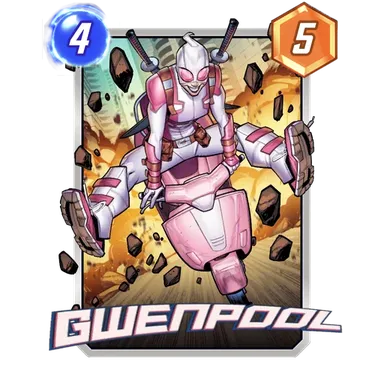
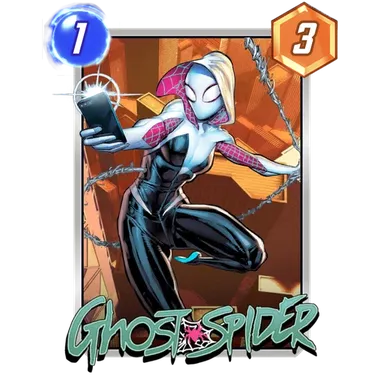
The best cosmetic economy lets players invest in the cards they actually play. If someone wants a specific flare on Gwenpool, Ghost-Spider, a pixel variant, or a favorite daily-driver card, that desire should be encouraged.
Players will spend gold, tokens, tickets, and time when the reward lines up with their collection identity. That is better than forcing everyone into the same temporary event prize and then removing the option forever.
Scarcity can still exist. Early access, discounted access, event-themed bundles, or temporary tracks can all make a cosmetic feel special. But the effect itself should eventually become part of the broader cosmetic ecosystem.
Card Access Needs Consistency Across Modes
The other tension is card access. If a new card appears through a limited-time mode, the method of earning it should feel consistent and fair compared with other modes.
The Grand Arena example matters because players can spend gold to move through tracks and reach rewards faster. If another mode asks for more grind, more time, or more specific play patterns to reach an equivalent card, the system starts feeling arbitrary.
A temporary mode can have its own personality. It should not have its own level of anxiety for whether players can reasonably earn the card.
FOMO Turns Fun Into Homework
The issue is not that players dislike rewards. Players love rewards. The issue is that temporary rewards change the emotional texture of the mode.
A mode with optional cosmetics feels like a bonus. A mode with exclusive cosmetics that may never return feels like homework. A mode with a card locked behind a harder track feels like a chore. That is not the feeling Snap wants attached to its experimental formats.
The more the game uses limited-time modes, the more important this becomes. One stressful event is annoying. A recurring structure of temporary pressure becomes exhausting.
The Better Model Is Early Access, Not Permanent Lockout
MARVEL SNAP can keep temporary modes exciting without permanently locking things away. Event tracks can offer early access to cosmetics, discounted bundles, special variants, or progress toward effects that later enter a shop or reward pool.
That keeps the event meaningful while respecting players who missed the window, took a break, or simply did not enjoy that mode. It also gives Second Dinner more long-term value from the cosmetic work it already created.
A cool effect should not disappear because the calendar changed.
Final Takeaway
Limited-time game modes are worth protecting because they can make MARVEL SNAP feel fresh. But the reward design has to support that freshness instead of weaponizing it.
Ban permanent exclusivity for mode-specific cosmetic effects. Standardize card access so each temporary mode feels fair. Let players enjoy the format because it is fun, not because missing it creates regret. That is how LTGMs become a strength instead of another pressure system.