MARVEL SNAP is generous enough at the start that you can build real decks quickly, but it is also easy to miss what those early cards are trying to teach you. The first decks are not just beginner lists. They are lessons in how the game thinks.
Your earliest builds should help you understand lanes, timing, On Reveal effects, Ongoing effects, curve, and how to win cubes without needing a complete collection.
The Short Version
- Start with simple decks that teach On Reveal and Ongoing fundamentals.
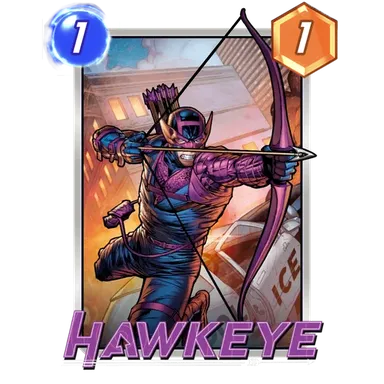
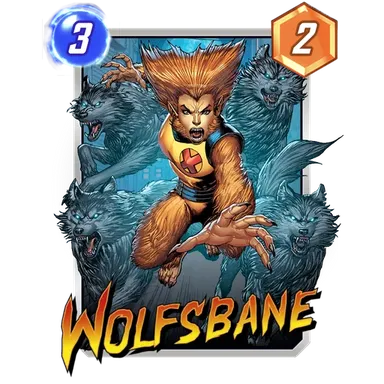
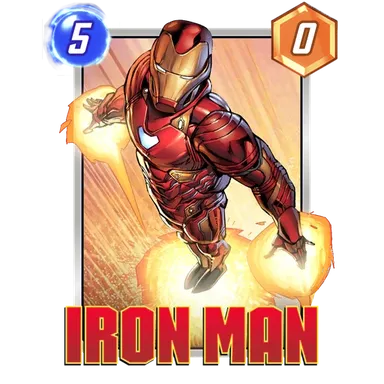
- Ant-Man, Hawkeye, Medusa, Wolfsbane, White Tiger, and Iron Man all teach important lane rules.
- Series 1 is about learning packages, not chasing one perfect list.
- Series 2 starts adding sharper identity through key cards and stronger synergies.
- Early decks should stay flexible because locations will constantly change your plan.
- Learn when your hand creates a snap window instead of waiting for turn six.
Your Starter Deck Should Teach Two Game Plans
The best first deck is not complicated. It should show you the difference between On Reveal and Ongoing cards while giving you enough power to win normal games. That means cards like Ant-Man and Iron Man on one side, then Hawkeye, Medusa, Wolfsbane, and White Tiger on the other.
Ant-Man teaches lane filling. If you want his bonus, you need to plan the lane early. Hawkeye teaches sequencing because his reward depends on what you do the following turn. Medusa teaches the value of the middle location. Wolfsbane rewards you for building a lane before she arrives. White Tiger shows how reach can win locked or awkward locations.
Those cards are simple, but they are not meaningless. They are the foundation of how MARVEL SNAP asks you to think.
Do Not Just Play Cards On Curve
A new player’s instinct is often to spend all available energy every turn. That is usually fine early, but it can also hide better lines. Sometimes you hold Medusa for the middle. Sometimes you delay Wolfsbane until a lane is fuller. Sometimes you need to leave space for White Tiger or protect the lane where Iron Man will double your power.
MARVEL SNAP is less about playing the biggest card each turn and more about setting up the last two turns. The beginner decks are perfect for learning that because the effects are clear. You can see immediately when a card was played too early, too late, or in the wrong lane.
Series 1 Is Where Packages Start to Matter
Once you move into Series 1, the collection begins opening up and the deck stops feeling like a pile of tutorial cards. This is where you start building small packages: an On Reveal package, an Ongoing package, a lane-filling package, or a curve that creates reliable turn-six power.
The important thing is not memorizing one list forever. The important thing is recognizing why a list works. If Ant-Man is in the deck, can you fill lanes? If Iron Man is in the deck, do you have a lane worth doubling? If White Tiger is part of the plan, are you leaving enough board space for the tiger to matter?
Early success comes from asking those questions before the game asks them for you.
Location Flexibility Wins Beginner Games
Locations are the reason beginner decks need flexibility. A hand that looks ordinary can become great when a location rewards On Reveal cards, bounces cards back, limits play, or creates movement windows. Medusa, Wolfsbane, White Tiger, and Iron Man all change value depending on where the game lets you play.
That is why cards with reach and lane flexibility are so strong early. White Tiger can send power somewhere you cannot play. Iron Man can turn a small lane into a massive one. Cheap cards can fill Ant-Man lanes or create Wolfsbane bursts.
A good early deck gives you multiple ways to respond instead of forcing one perfect script.
Series 2 Is About Finding the First Real Identity
Series 2 usually feels like the point where decks become more recognizable. You start hunting for one or two key cards that make an archetype feel complete. That does not mean the starter fundamentals disappear. It means the early lessons now support a stronger identity.
You still need curve. You still need lane planning. You still need snap and retreat discipline. The difference is that your deck now has a clearer reason to exist, whether it is leaning into movement, control, Ongoing pressure, On Reveal bursts, or another early archetype.
The best Series 2 deck is the one that builds on what you already understand.
Learn Snap Windows Before You Learn Every Card
The most useful beginner skill is not knowing every possible deck. It is knowing when your own hand is good enough to snap. If your locations line up with your effects, if your curve is clean, or if you have the exact lane payoff your deck wants, that is often more important than whether your list is considered perfect.
A beginner with clear snap discipline can climb with simple cards. A beginner with a fancy list but no cube control will still bleed cubes.
Final Verdict
The first MARVEL SNAP decks you should play are the ones that teach you how the game works. Start with clean On Reveal and Ongoing shells, learn lane setup through Ant-Man and Wolfsbane, learn reach through White Tiger, learn power doubling through Iron Man, then let Series 1 and Series 2 cards sharpen the identity.
Do not rush past the basics. Those early decks are not just training wheels. They are the language every stronger deck keeps speaking later.