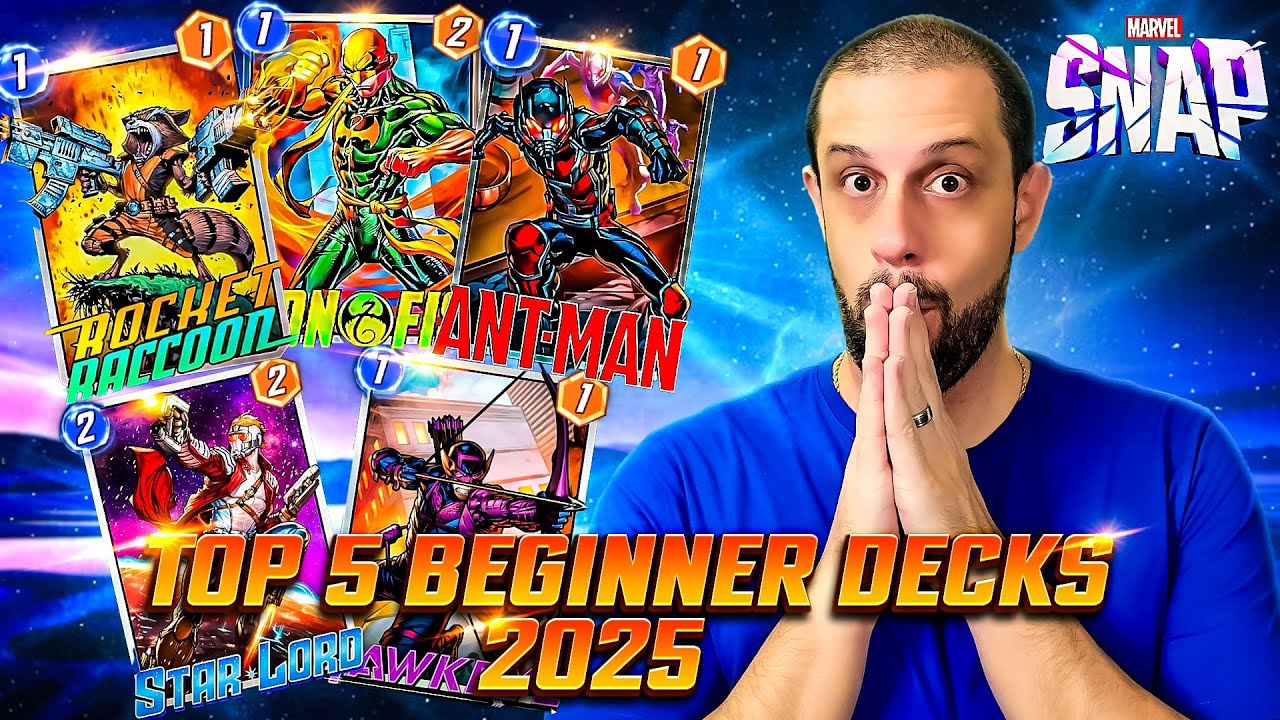
Starting MARVEL SNAP can feel messy because the game throws cards, locations, and archetypes at you before you really know what matters. Guest’s beginner advice keeps it simple: do not try to build the most complicated deck immediately. Start with clean shells that teach you how the game actually works.
The five starter directions here are valuable because they each teach a different lesson: ongoing math, Zoo development, On Reveal timing, movement planning, and discard awareness. You are not just copying decks. You are learning the language of Snap.
The Short Version
- New players should start with simple archetypes that explain core mechanics.
- Ongoing decks teach lane stacking and final-turn Spectrum math.
- Zoo decks teach board flooding, buffs, and sequencing.
- On Reveal decks teach timing, Odin, and location management.
- Move and discard-style decks introduce planning, risk, and hand awareness.
Ongoing Is The Cleanest First Lesson
The first deck Guest highlights is an Ongoing shell, and it makes sense as a beginner starting point. Ongoing cards are easy to understand because their text stays active. You can see the lane develop, count the power, and learn why stacking effects matters.
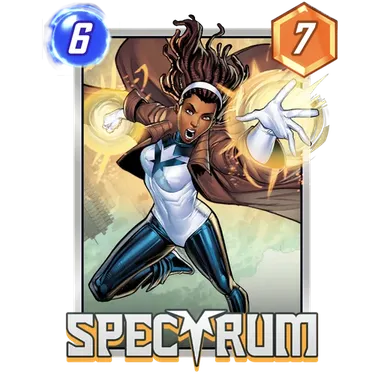
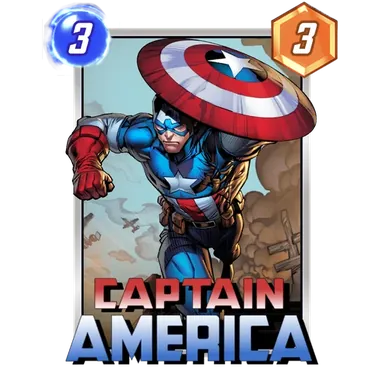
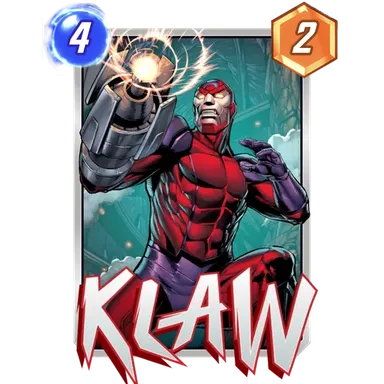
Captain America is one of the early anchors. In the right lane, he turns other Ongoing cards into a much more efficient pile of power. Mr. Fantastic and Klaw teach reach into nearby or locked locations. Spectrum gives the deck a clear final turn by adding power to your Ongoing board.
The key lesson is lane planning. Ongoing decks reward players who think about where each card belongs before the last turn arrives.
Zoo Teaches You How Buffs Add Up
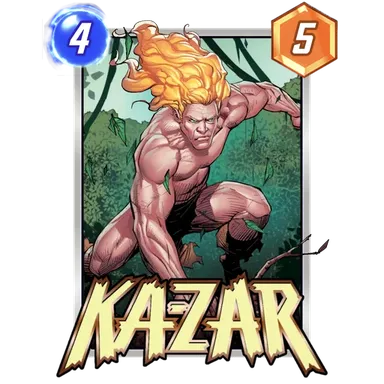
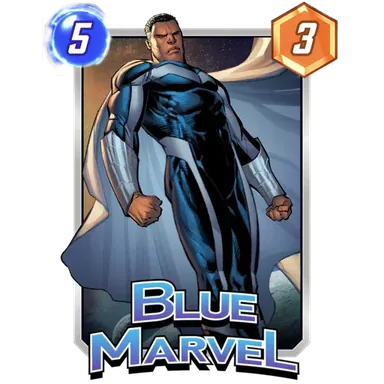
Zoo, often called Kazoo because of Ka-Zar, is another excellent beginner deck because it makes power multiplication obvious. Cheap one-cost cards fill the board, then Ka-Zar and Blue Marvel turn those small bodies into real lane pressure.
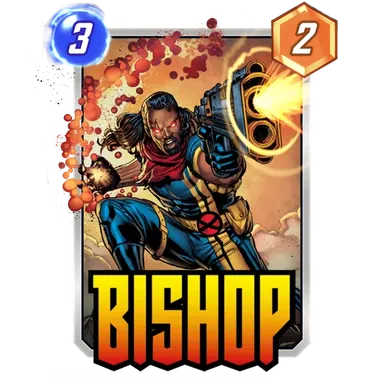
This style also teaches sequencing. Ant-Man wants a full lane. Squirrel Girl spreads power across the board. Bishop rewards you for playing multiple cards. Angela grows when you continue developing her location.
Guest also warns about Blade, which is exactly the kind of beginner detail that matters. Blade discards the rightmost card in your hand, so careless sequencing can throw away something important. Zoo is simple, but it still teaches discipline.
On Reveal Gives You Timing And Payoffs
On Reveal decks introduce a different rhythm. Instead of ongoing power sitting on the board, these cards create value when they reveal. White Tiger, Ironheart, Wolfsbane, and Odin-style lines teach you to think about when effects happen and how to repeat them.
Odin is the big teaching tool. If you play White Tiger and then Odin that lane, you learn immediately how repeated effects can swing locations. The downside is randomness. White Tiger can send power to the lane you want, or it can make you regret everything.
That is not a flaw for beginners. It is a lesson. MARVEL SNAP contains RNG, and strong players learn how to reduce the damage when randomness does not cooperate.
Move Decks Teach Planning Ahead
Move is harder for new players, but it teaches one of Snap’s most important skills: planning several turns in advance. Cards do not just represent current power. They represent where power might be after the board shifts.
Guest points to Heimdall-style endings as the classic beginner move lesson. If you know the board is going to slide left, you must prepare your lanes early. That makes move feel like a small chess puzzle compared with the more direct Ongoing or Zoo shells.
It can be awkward at first, but it teaches spatial awareness faster than almost anything else.
Discard And Hand Rules Matter Early
Even beginner-friendly discard pieces teach a major lesson: your hand is a resource, not just a waiting room. Blade’s rightmost-card rule is one example, but the broader point is that discard decks ask you to care about order, timing, and risk.
A good beginner discard shell should not be overloaded with complicated combos. It should help you understand when discarding is upside, when it is dangerous, and how to build hands where the “downside” is actually part of the plan.
That awareness carries into every other archetype. The better you understand your hand, the fewer free cubes you give away.
Final Verdict
The best beginner deck is the one that teaches you while still letting you win. Ongoing and Zoo are the safest starting points, On Reveal teaches timing, Move teaches planning, and discard-style cards teach hand discipline.
Copy the lists if you want a fast start, but pay attention to why they work. That is how a beginner deck turns into actual MARVEL SNAP skill.