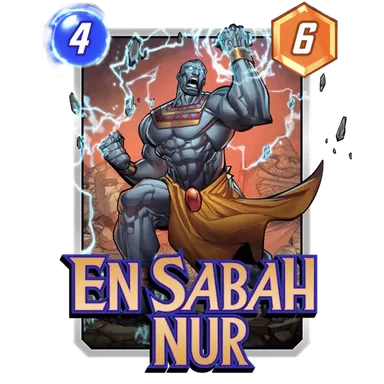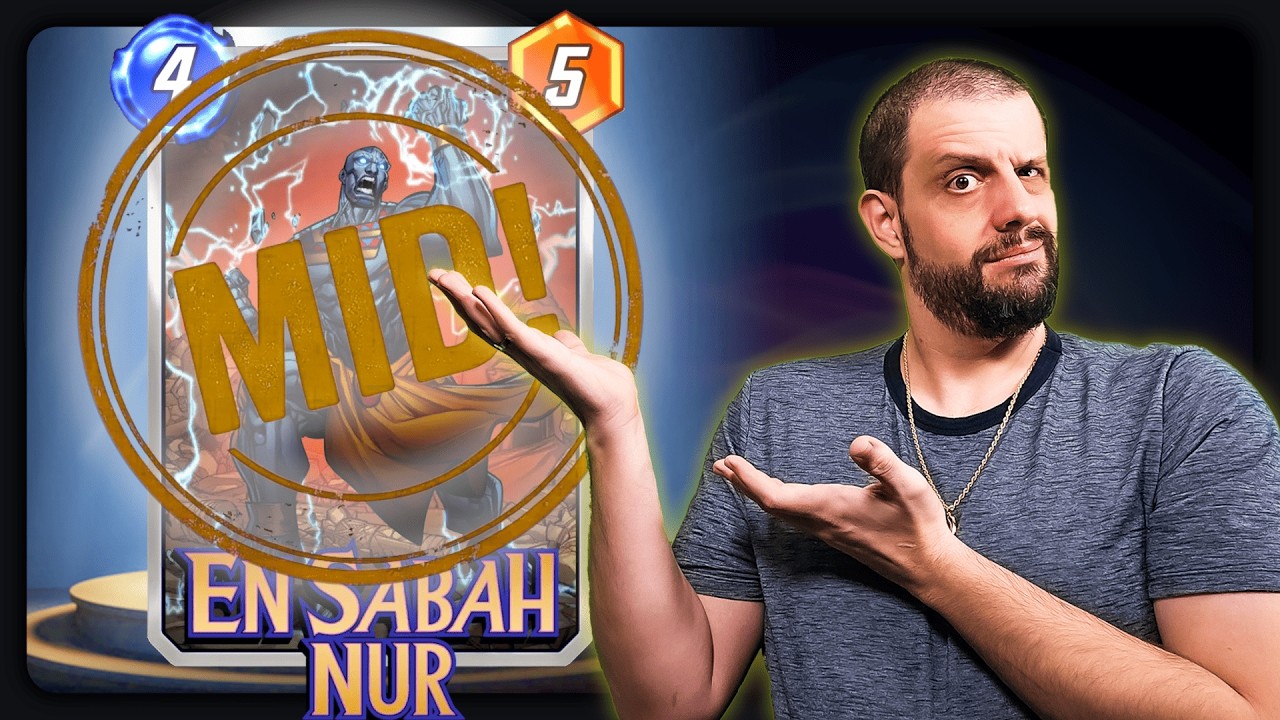
En Sabah Nur is the first major test for objective cards as a season pass centerpiece, and that is a difficult job. He has to introduce the mechanic, feel exciting, justify deck-building concessions, and still win actual MARVEL SNAP games.
The card is not garbage. The idea is too interesting for that. But after testing multiple shells, the honest verdict is more complicated: En Sabah Nur may be good eventually, yet his first home is not obvious enough.
The Short Version
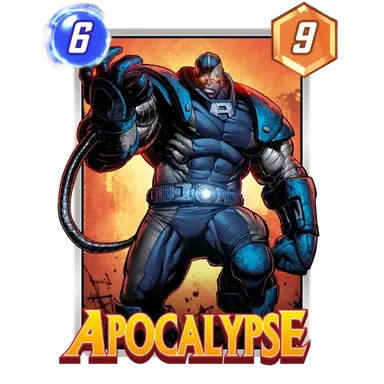
- En Sabah Nur asks you to fill all front-row positions, then transforms into Apocalypse, Celestial’s Chosen.
- The payoff works like a Lockjaw-style upgrade for the lowest-power front-row card.
- The mechanic is fun, but board space is a real cost.
- Doom 2099, White Tiger, Jubilee, Luna Snow, Sam Wilson’s shield, and similar cards can help complete the objective.
- Patriot-style builds make sense on paper but can feel stretched.
- The card may improve as objective support grows, but it is not an automatic season pass slam dunk yet.
The Objective Sounds Simple Until You Play It
Filling front-row positions is easy to understand and harder to do cleanly. Most games ask for six filled front-row spots, unless a location changes the number. That means the deck must create bodies efficiently while still leaving enough power and flexibility to win lanes.
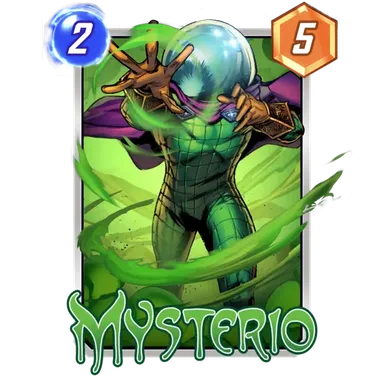
The obvious solutions are cards like Squirrel Girl, Mysterio, and Mr. Sinister. Those cards flood space quickly, but they also create the central tension: are you filling the board because the deck wants to, or because En Sabah Nur demands it?
That distinction matters. A good objective card should reward a plan you can already justify. A weaker one forces you to make the deck worse just to turn it on.
The Doom 2099 Direction Is Fun But Not Clean
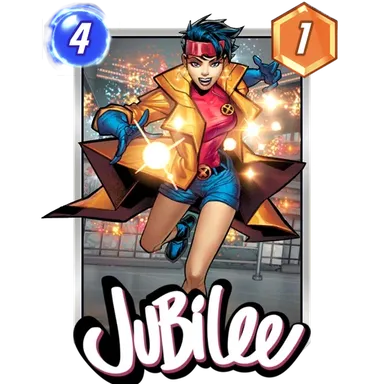
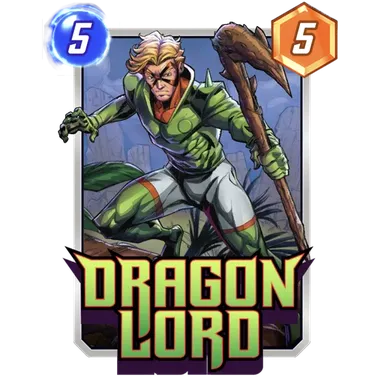
One of the more interesting approaches is a Doom 2099 hybrid. Luna Snow, Jubilee, Dragon Lord, Doctor Doom, White Tiger, Doom 2099, and Sam Wilson’s shield all help create bodies without relying only on the most obvious token package.
That shell has real appeal because it gives the deck normal MARVEL SNAP threats. You can make power, fill lanes, and occasionally let En Sabah Nur convert a weak body into something much better.
The problem is consistency. The deck can be fun and still fall short when the draw does not line up or the board gets cramped. En Sabah Nur wants space, Doom-style decks want space, and locations are not always generous.
Patriot Makes Sense, But The Fit Is Not Free
Patriot builds are a natural place to look because they already like bodies. Tokens and low-text cards can help complete the objective while giving Patriot something to buff.
But the fit is not automatic. Patriot decks have their own sequencing needs, and adding an objective package can pull the list in multiple directions. If the deck is trying to be Patriot, Doom, objective, and transformation payoff all at once, it risks becoming less reliable than any focused version.
That is the issue with En Sabah Nur right now. Many shells can use him. Fewer clearly need him.
The Payoff Is Cool, But It Must Be Worth The Work
Apocalypse, Celestial’s Chosen replacing the lowest-power front-row card can create a massive swing. Turning a weak token into a real card is exactly the kind of payoff that makes objective design exciting.
Still, the payoff is not always under your full control. You need the right board, the right low-power target, and enough remaining lane pressure for the upgrade to matter. When it works, it feels clever. When it misses or arrives late, it feels like a lot of effort for a result another deck could have reached more directly.
That does not make the card bad. It makes the card demanding.
He May Be Early Rather Than Weak
The most charitable read is that En Sabah Nur is ahead of his support. Objective cards are new, and the best shells may not exist yet. As more objective payoffs and enablers arrive, the value of learning the mechanic now may increase.
That is important for a season pass card. Sometimes the first week is not the final verdict. A card can look awkward because players are still building it like an old archetype instead of understanding the new one.
Even so, players buying or crafting around him need a practical answer today, not just future optimism.
Final Verdict
En Sabah Nur is not garbage. He is a fascinating card with a real payoff and a mechanic worth exploring. But he is also not the effortless “put this in and win” season pass card some players hope for.
Right now, he feels like a card searching for the cleanest shell. If you enjoy experimenting with board-fill puzzles, there is something here. If you want an immediate ladder staple, the answer is much less certain.