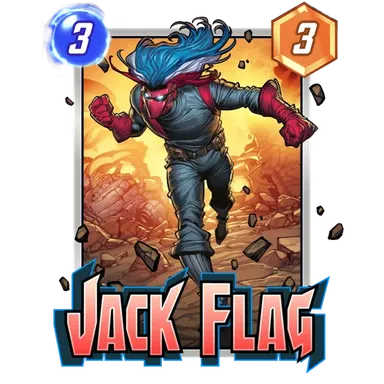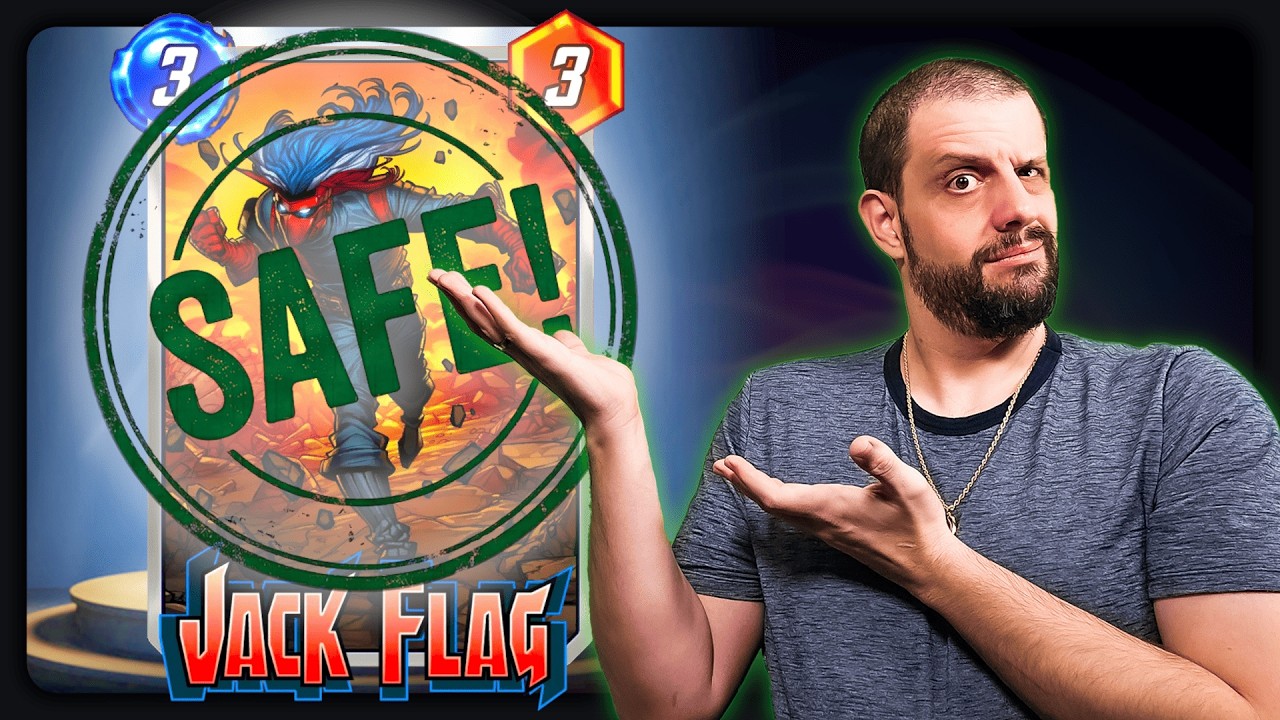
Jack Flag is not garbage. That much is clear after testing him across multiple shells. The harder question is whether he is important enough to become a regular part of the meta, and right now the answer feels more cautious.
He looks like a reinforcement card: useful in the right archetypes, occasionally excellent, but often somewhere around the tenth to twelfth card in a list. That is not an insult. Some cards make decks better without becoming the reason those decks exist.
The Short Version
- Jack Flag is a good card, especially in ongoing and Doom 2099-style shells.
- He is rarely the centerpiece of a deck.
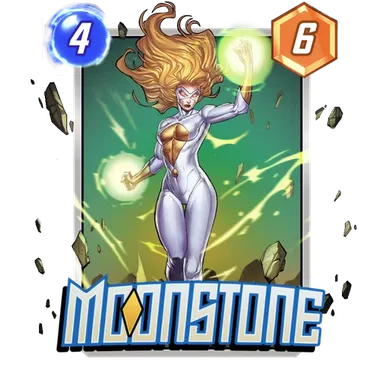
- Moonstone and ongoing synergies make his best lines more appealing.
- Pick-a-lane builds can use him, but he does not always feel necessary.
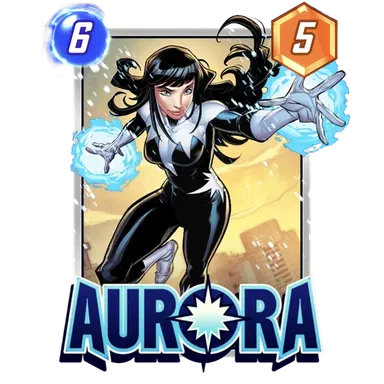
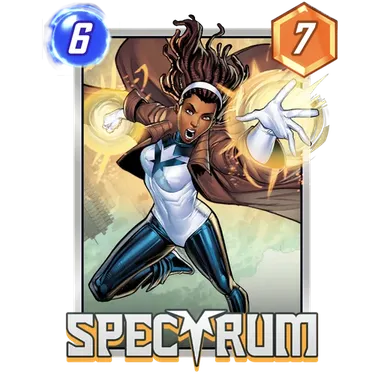
- Shauna was a surprisingly strong support piece in flexible Aurora/Spectrum/Doom lines.
- Jack may show up most at the start of seasons, when players are testing new archetypes.
Jack Flag Is A Reinforcement Piece
The cleanest way to understand Jack Flag is as a card that helps an existing plan rather than creates one. If your deck already wants ongoing pressure, single-card lane development, or Doom 2099-style scaling, Jack can add value.
But when a card is only good inside a plan that already works, it has to fight for space. That is where Jack’s problem appears. He often feels playable, but not mandatory. He improves some situations without always being the card that caused the win.
That puts him in a tricky evaluation category. Good cards can still be cut when the final list gets tighter.
Ongoing Shells Are The Natural Home
The ongoing direction makes the most sense because Jack Flag rewards decks that can multiply or reinforce his contribution. Moonstone lines are especially attractive because they turn a modest ongoing piece into something more threatening.
Doom 2099 shells also give him a sensible home. Those decks already care about board structure, scaling, and persistent effects. Jack can fit into that ecosystem without asking the deck to become something completely different.
That is the key. The less the deck has to bend for Jack, the better he looks.
Pick-A-Lane Builds Show Both Sides
The “pick a lane” style build performed well, but it also revealed the central issue. The deck could maintain a two, three, four, five curve while playing one card per turn, and Jack Flag contributed to that structure.
The question was how often he was necessary. In many games, the deck’s broader plan did the heavy lifting. Jack helped, but he did not always feel like the reason the line worked.
That distinction matters for final deck slots. A card that feels good once in a while can still lose its spot to a card that is more consistently decisive.
Shauna Was The Surprise
One of the more interesting discoveries was Shauna. She gave the deck flexibility for Aurora lines and helped decide whether the game should lean into ongoing pressure, Spectrum, Doom, or another route.
That flexibility matters more than it first appears. Jack Flag wants a shell with options, not a rigid list where every draw has to be perfect. Shauna helped create those options and made the deck feel less trapped.
Sometimes the most useful lesson from testing a new card is discovering which support card quietly overperformed.
The Meta Matters A Lot
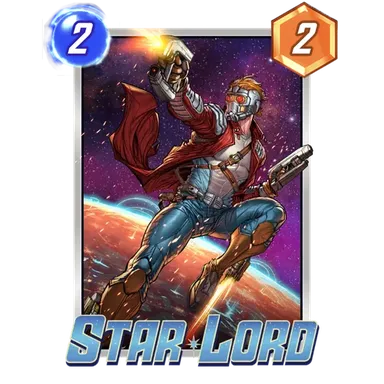
Jack looked better into certain metagame conditions, especially when the deck could dance around Cosmo-style disruption or punish Star-Lord counter builds. That is a good sign and a warning.
If a card’s value depends heavily on what opponents are doing, it may rotate in and out rather than become a staple. Jack feels like that kind of card. He will have weeks where the support is perfect and weeks where he is merely fine.
That also makes him a likely early-season test card. When players are trying new shells, Jack can help stabilize ideas. Once the meta sharpens, he may be one of the first cuts.
Final Verdict
Jack Flag gets a good verdict, but not a universal recommendation. He is useful, flexible, and clearly has homes in ongoing, Doom 2099, and Moonstone-adjacent builds.
He is not the kind of card that should make you rebuild everything around him. Treat him as reinforcement. If your deck already wants what he offers, he can be strong. If you are forcing the shell just to include him, the flag probably belongs on the bench.