After testing the new season-pass card for nearly five hours, I think the season pass is worth getting. A little time with the card matters.
That conclusion comes with a deckbuilding constraint: it needs the right target structure, and a late play needs enough On-Reveals to happen before it.
For a late play, I prefer to wait as long as possible before playing it. I want to play the card after the On-Reveals, card movements, buffs, and add-ons I need have happened. That means a deck built for a late play needs enough earlier On-Reveals in its curve.
I put the card through four different decks, including some deliberately strange combinations, and the same lesson kept returning. Planned targets at multiple costs were the recurring need.
I tried a weird move-bounce deck and a variation on the zombie deck. Neither was as successful, but each gave me useful deckbuilding lessons.
One target per cost makes the card dependable
The clearest rule from all four tests was simple: I want one target per cost whenever I can manage it, and that stayed consistent across every single deck. That lets me know what the card is going to become.
A move-bounce experiment showed the downside of ignoring that rule. The deck either became a move-bounce deck that did not want to play the season-pass card, or it needed to become a dedicated build with the right targets.
Targets at several costs are where the card starts becoming dynamic. Four, five, six, and seven-cost options were all part of the range I was considering, though I do not think every deck must use every one of those costs. The important part is having multiple targets at multiple costs.
Duplicating a cost is possible, but I want the rest of the curve to support it. In the stronger Star-Lord deck, I could justify two five-cost cards because I also had higher tiers above them. That balance worked because the deck still had at least two tiers above the duplicated cost.
Zombie Giant Man needs a tighter build
Zombie Giant Man is a potential synergy. That build created difficult decisions about what to play and what to hold.
The werewolf package worked in that experiment. If I were going into the zombie package, I would lean further into it.
The Star-Lord deck handled the duplicate five-cost slots
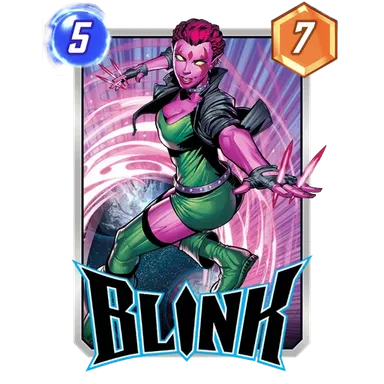
The straightforward Star-Lord deck was one of the stronger places I tested. Turning into Blink was surprisingly good, and the presence of multiple five-cost cards did not feel bad because the deck also carried higher-cost tiers.
That shell gave me a useful version of the target rule. I can run more than one card at a cost when there are at least two tiers above it. In that test, that balance worked for me.
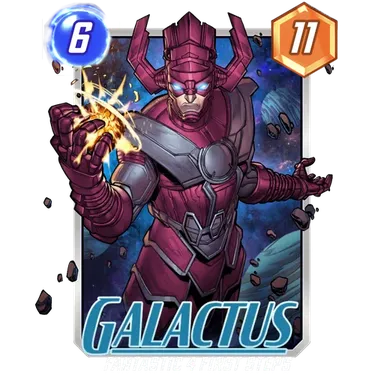
I would heavily favor Blink over Legion in this space. I probably would not touch the deck from the test. Galactus First Steps is the one slot I considered negotiable, and even that felt debatable.
The ramp deck needs another pass
The ramp deck felt solid, though I do not think the deck was in its final form.
The squirrels helped consistency and reaching into other lanes.
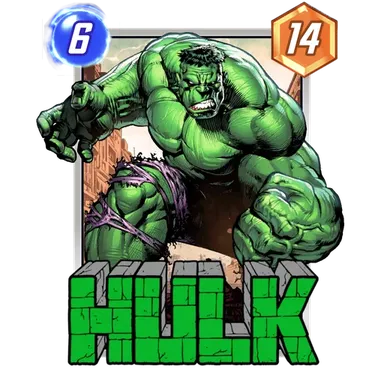
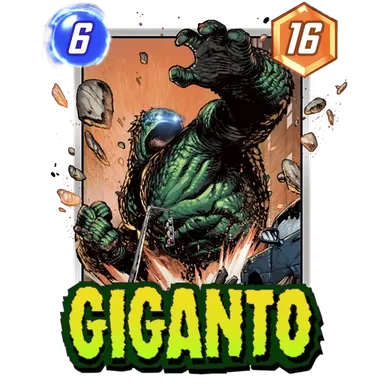
I had Hulk in the deck because I did not want Giganto. One major improvement I want to test is taking out Hulk and testing Blob.
My season-pass verdict
For me, the Finn Fang Foom combo was very real, and it was the combo to play, probably over Xolo.
Yes, I think this is a season-pass card worth getting. I am not saying that only because it is the season pass.
My best guess is that something like Star-Lord ramp becomes its strongest home. There may be other unusual synergies to find with more time.