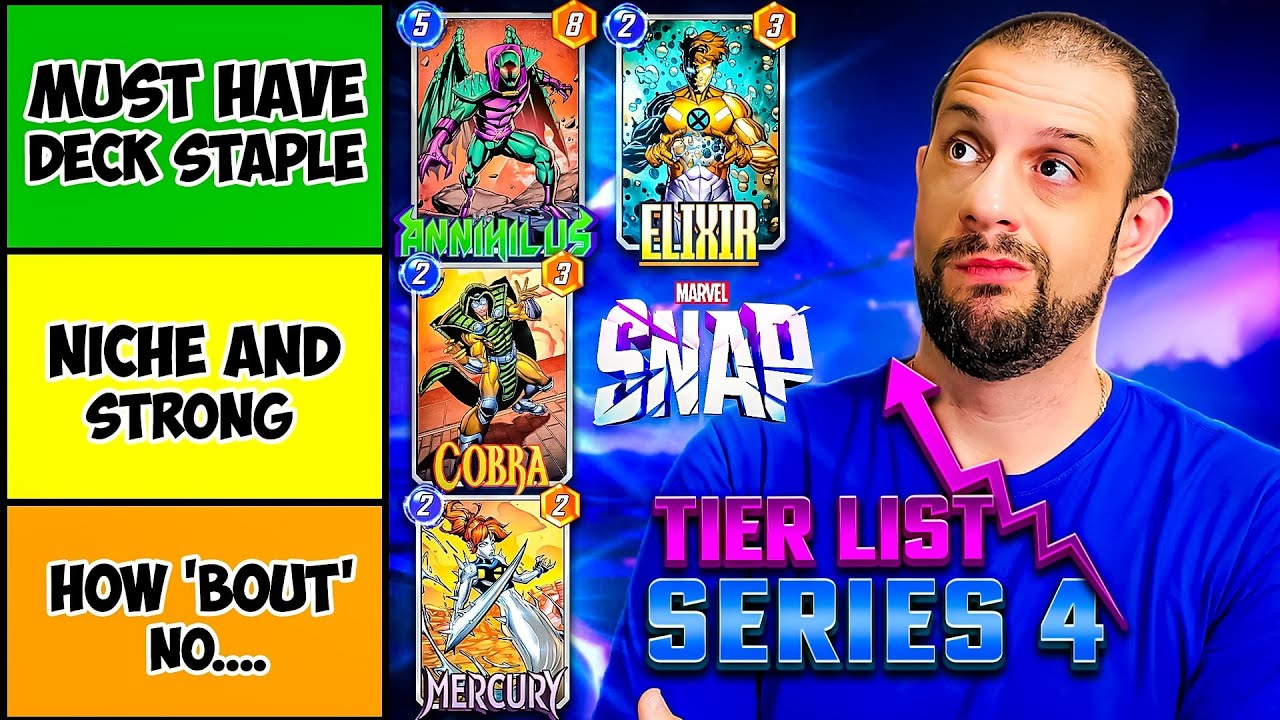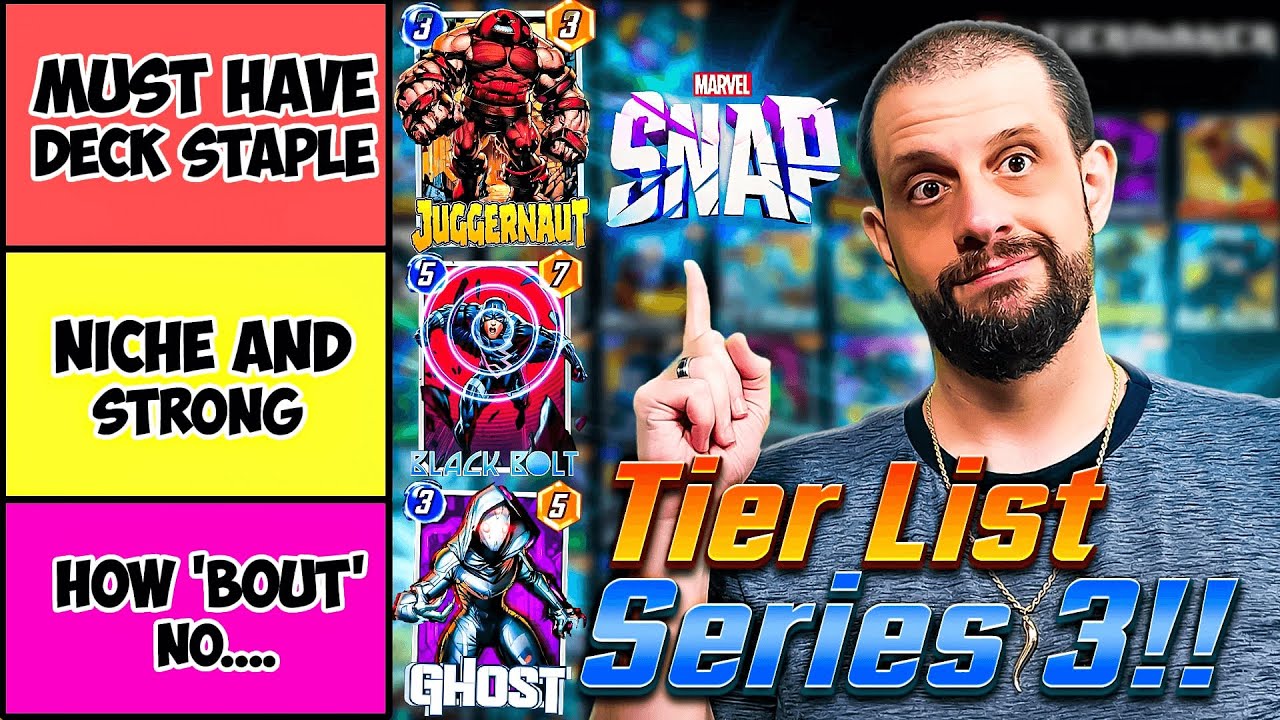
Series 3 is where MARVEL SNAP starts becoming a real collection puzzle. There are too many cards to treat every unlock equally, and a simple “best card” tier list misses the point. Some cards are staples because they fit everywhere. Others are mandatory only if you want a specific archetype. Some are strong but replaceable. A few are just waiting for a rework.
Guest’s approach is useful because it ranks cards by role, not just raw power. That is exactly how newer and returning players should think about Series 3.
The Short Version
- Prioritize flexible staples first: cards that work in many decks are the safest targets.
- Archetype definers are essential only if you actually want to play that archetype.
- Niche strong cards can be excellent, but they need the right shell.
- Replaceable cards are not always bad; they are just not urgent.
- Series 3 is a learning phase, so use unlocks to understand archetypes even if you do not main them.
The Best Series 3 Cards Are Flexible
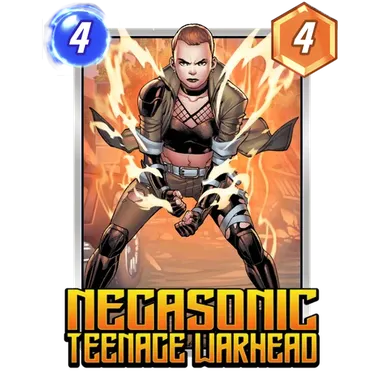
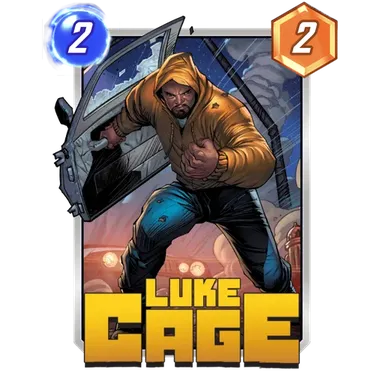
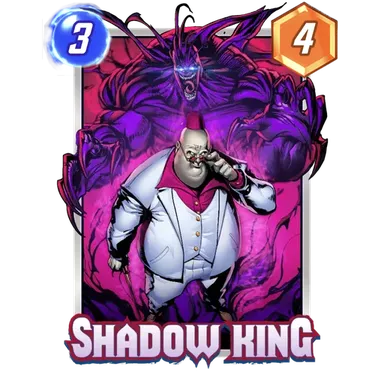
The cards worth targeting first are the ones that keep appearing across decks. Guest points to cards like Mobius, Juggernaut, Negasonic Teenage Warhead, Zabu, Luke Cage, and Shadow King as the kind of Series 3 cards that immediately raise an account’s flexibility.
These cards matter because they answer problems. They are not locked to one fantasy. They help you fight cost reduction, power scaling, lane setup, greedy final turns, and meta-specific nonsense. When your collection is still growing, that flexibility is worth more than a narrow payoff.
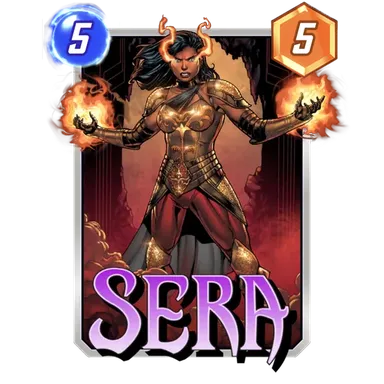
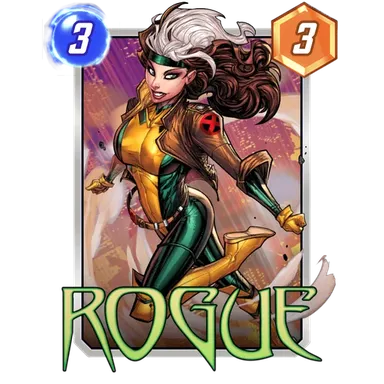
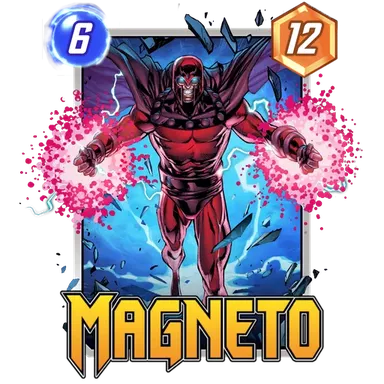
Cards like Sera, Rogue, Magneto, Goose, Havok, Magic, Echo, Nebula, and Kitty Pryde also sit in that broad conversation because they can slide into multiple plans or give decks a clear tactical option.
Archetype Definers Are Not Optional If You Want Their Decks
Some Series 3 cards are not flexible staples, but they are still extremely important because entire decks revolve around them. Cerebro decks need Cerebro. Patriot decks need Patriot. Mr. Negative decks need Mr. Negative. Hela decks need Hela. Silver Surfer, Beast/Bast bounce shells, Sauron, Dracula, MODOK, Knull, and similar cards define what their decks are trying to do.
That makes them high-value, but only for the right player. If you do not want to play Discard, MODOK is not your urgent target. If you love Destroy, Knull, Venom, Death, Deadpool, Nimrod, or Arnim Zola may matter much more.
Series 3 targeting should follow intent. Pick the archetype you actually want to learn, then chase the card that makes it real.
Niche But Strong Cards Still Win Games
The middle of Series 3 is full of cards that are powerful in the right context. Wong, Black Panther, Mystique, Super-Skrull, Quinjet, The Hood, Mirage, Polaris, Lady Deathstrike, Hazmat, Debrii, Dagger, Ghost-Spider, Colleen Wing, and Black Bolt/Stature-style packages can all be excellent when the deck supports them.
The important word is supports. Wong needs On Reveal payoffs. Mystique wants a strong Ongoing target. Hazmat wants affliction support. Move cards need a move shell. These cards are not weak; they are conditional.
That is where a lot of newer players misread tier lists. Conditional does not mean bad. It means you should not spend scarce targeting power unless you already know how the card fits.
Replaceable Does Not Mean Useless
Cards like Daredevil, Spider-Ham, Quake, Black Widow, Captain Marvel, Psylocke, Valkyrie, Taskmaster, Electro, Lockjaw, and many move or disruption pieces can have homes without being urgent. They may win cubes in the right meta or deck, but you often cut them when better options appear.
That distinction matters. A replaceable card can still be fun, playable, or even correct for a specific build. It just should not distract you from the cards that open more doors.
When your collection is young, every target has an opportunity cost. Replaceable cards become much more attractive after your foundation is already in place.
Some Cards Need Help
The bottom of Guest’s list is less about personal dislike and more about cards that do not currently justify their slot. Baron Mordo, Ghost, Martyr, Spider-Man 2099, Snowguard, Rockslide, Rescue, Drax, Crystal, Howard the Duck, Silver Samurai, and similar cards struggle because their upside is too narrow, too inconsistent, or too easy to replace.
That can change with buffs, reworks, or new support. But if you are trying to build a stronger account today, these are not the cards to chase.
MARVEL SNAP changes constantly. Series 3 priorities should change with it.
Use Series 3 to Learn the Game
The best advice in the whole discussion is not just “target these cards.” It is to be adventurous. If your unlocks point toward move, learn move. If you open Discard pieces, test Discard. If Cerebro appears, understand why Cerebro players build so carefully.
Even if you do not keep playing the archetype, learning it makes you better against it. You will know its snap windows, its weak turns, and the locations it hates.
Series 3 can feel like a slog, but it is also where MARVEL SNAP teaches you how many different games exist inside one ladder.
Final Verdict
The best Series 3 strategy is role-based. Grab flexible staples when they appear, target archetype definers only for decks you want to play, respect niche power, and do not overvalue cards that are easily replaced.
If you treat Series 3 as a toolbox instead of a checklist, your collection gets stronger faster—and your actual gameplay improves along the way.