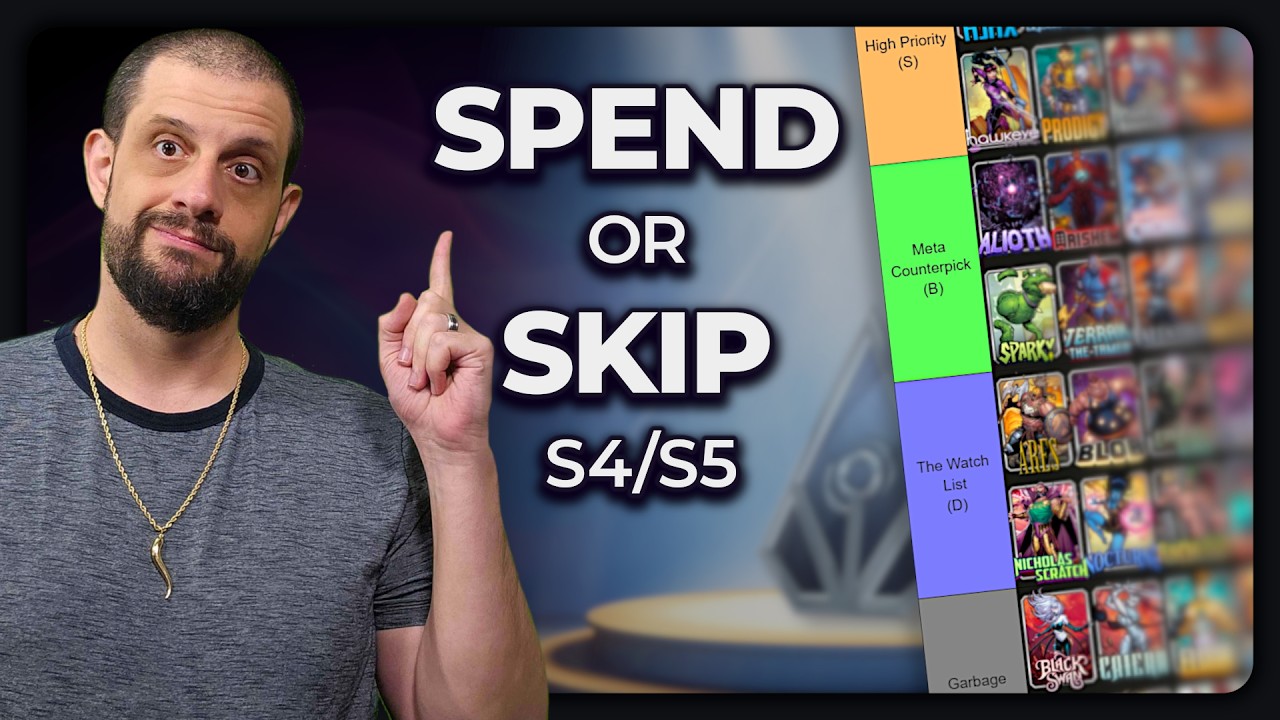
A good MARVEL SNAP Series 4 and Series 5 tier list should not just ask which cards are powerful today. The better question is which cards are worth building a collection around when the meta keeps changing.
That means judging cards by uniqueness, replaceability, flexibility, and how resistant they are to future metagame shifts. A card can be good and still be a mediocre purchase. Another card can be less flashy but more valuable because nothing else does its job.
The Short Version
- Collection decisions should focus on value, uniqueness, flexibility, and replaceability.
- Some cards are playable but replaceable, which keeps them out of the highest tiers.
- Star-Lord is powerful but narrow enough to land below the universal staples.
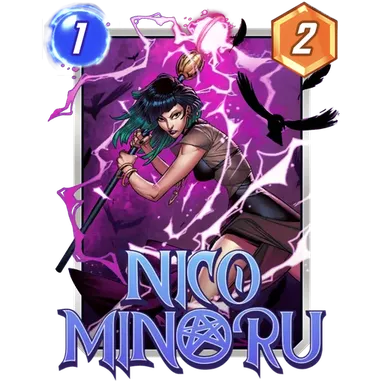
- Nico Minoru, Luna Snow, and Legion stand out because they stay useful across many metas.
- The best purchases are cards that open decks, not cards that only complete one temporary list.
The Best Card Is Not Always The Best Buy
MARVEL SNAP’s economy makes tier lists more complicated than “is this card good?” Tokens and keys are limited. Collector’s packs and seasonal packs create real opportunity costs. If a card only matters in one narrow deck, it needs that deck to be exceptional before it becomes a priority.
That is why the value framework matters. A card should move up when it is unique, hard to replace, and useful across multiple archetypes. It should move down when it is only good because one current list happens to want it.
The meta will change. Your collection remains. Build for cards that survive the change.
Replaceable Cards Belong In The Middle
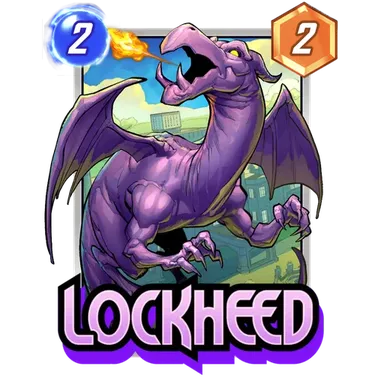
A large chunk of Series 4 and 5 sits in the “playable, but not urgent” zone. Cards like Marvel Boy or Lockheed can have real homes, especially when specific archetypes are active, but they are often replaceable when the list gets optimized.
That does not make them bad. It just changes the buying advice. If you own them, use them. If you do not, they are not always the cards that should eat your next major resource spend.
Ms. Marvel is an interesting card in that range because she has room to climb if her old-style power level returns. Annihilus can also rise if the right meta pressure comes back. But potential is different from priority.
Star-Lord Is Strong, But Narrow
Star-Lord is the spicy ranking because he has one very good deck and a lot of caveats outside it. When the dedicated shell is working, he looks absurd. When you ask how broadly useful he is, the answer gets less clean.
That lands him in a solid tier rather than the automatic-purchase tier. If you want the Star-Lord deck and are willing to commit to it, he has a clear argument. If you are trying to maximize collection flexibility, he is not in the same category as the best universal tools.
That is the difference between power and value. Star-Lord can be powerful without being the safest collection recommendation.
The S-Tier Cards Change How You Build
The highest-tier cards are the ones that keep showing up because they solve structural problems. Nico Minoru is the cleanest example. She is the best one-cost card because she brings flexibility to destroy, move, bounce, Victoria Hand shells, and plenty of other decks.
Luna Snow is another premium card because her stat line and energy role are strong enough that even a small nerf would likely leave her excellent. Legion remains the best location-control card in the game, which gives him a unique reason to exist no matter what the top deck is.
Those are the cards worth prioritizing. They do not just fill a slot. They change what slots are possible.
A Tier List Is A Decision Tool
The point of ranking Series 4 and 5 cards is not to win an argument in the comments. It is to help players make better decisions with limited resources.
That means a lower ranking is not always an insult. Sometimes it means the card is too narrow. Sometimes it means the card is good but replaceable. Sometimes it means the card needs a meta that is not currently here.
The best tier list gives players a framework they can reuse when the next patch changes the exact order.
Final Verdict
For 2026 collection planning, prioritize cards that stay useful when the meta moves. Nico Minoru, Luna Snow, Legion, and other flexible staples deserve premium attention because they open multiple decks and resist replacement.
Be more cautious with narrow power cards. Star-Lord can be excellent, but he is tied to a specific commitment. Many mid-tier cards are perfectly playable if you own them, but not urgent if you do not.
The real question is not “is this card good?” It is “will I still be glad I bought this after the next OTA?”