The Ban List does not need to end. A concern raised in the discussion was that choosing a topic could turn into a search for another Marvel Snap grievance.
Longevity was a concern. We have a format, community input, and plenty of history. Once choosing a topic becomes a content obligation, the format has drifted from the reason we started it. The point has to be talking about issues worth discussing, with enough care to separate a bad system from a system that needs work.
We are not cancelling the show. We are changing its next phase so the Ban List can keep being a place for arguments that matter.
The Ban List Is Not Banned
The first decision is simple: the Ban List stays. The discussion proposed a format change while leaving the approach open to refinement.
Dropping the frequency was one possible route, but it was not considered the ideal option. A proposed alternative is to adapt the format to the current Marvel Snap conversation, then refine the approach as it develops. Community submissions have led to some of the more interesting conversations. One proposed next step is to invite creators into that same space.
Community input remains part of the format. The appeal is variety. A rotating co-host can arrive with frustrations, ideas, and priorities that we would not have chosen ourselves. Sometimes that creates a two-versus-one argument. Sometimes all three people land in the same place. An unlikely but hoped-for case is a creator bringing an issue both regular voices reject, then making the case for why it belongs on the Ban List.
Three Voices Change the Vote
A proposed structure gives a guest three topics to bring into the show, alongside one community topic. It also gives the Ban List clearer voting rules.
For a community submission, the proposed baseline is two votes out of three. Creator-raised issues could require unanimity, with the two regular voices deciding whether to side with the guest's case.
None of this is presented as a final ruleset carved in stone. It is a starting point to refine. The important shift is that the Ban List can draw from more of the Marvel Snap creator community while keeping the community submission as part of every episode.
Rework Is Not a Ban
Reviewing the existing list exposed a needed correction: several earlier entries were requests for repair, not things that should disappear.
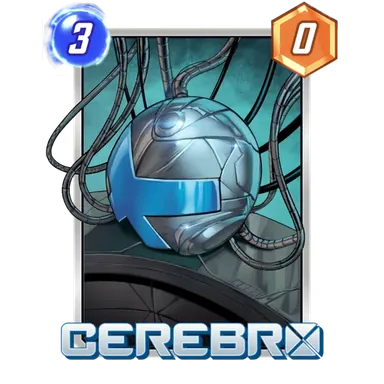
Poor collection filtering came off the list because the goal is a rework. The same applies to Series 2. The frustration with collection progression is still there, but removing Series 2 outright would leave a gap. The proposal is to fold current Series 2 cards into a faster Series 1 track, then repopulate Series 2 with core current Series 3 cards. Cerebro was raised as an example of the kind of anchor card that could give that stage more direction.
The conditional bundles also move into the rework category. The price and structure are still a problem, especially for someone who wants a variant without being forced into the rest of the package. A proposed answer is a tiered offer: a $9.99 variant option after unlocking the card, followed by a $19.99 currency and booster option. The criticism remains. The target is the bundle design.
Twenty-four-hour shop rotations also move into the rework category. They are still frustrating, and the request is to improve the shop. Slow servers leave the list for a more focused reason as well. The sharper complaint is the reconnect-to-game button. If a match is already in progress when the client opens, the game should take the player back to that match instead of making them find and press a separate reconnect button.
Boosters in seasonal chests also leave because the random-booster progression complaint was already on the list. Six entries leave through that review. The complaints were not abandoned. They were named more accurately.
What Still Deserves to Stay
A rework label does not let every old ban escape. Plenty of issues still meet the standard because their current form directly makes Marvel Snap worse.
Token Tuesdays remain a bad deal tied to an old shop system. Random boosters still fail as progression rewards because they can feel like filler instead of a prize. Event-exclusive cosmetics stay banned because players should be able to get those cosmetics on their own cards instead of losing the opportunity with the event. Ticket rewards in paid limited-time tracks keep the same problem: paying to skip gameplay, then being rewarded with more access to the gameplay that was skipped.
Hot locations also stay separate from featured locations. A featured location can introduce something new. A hot location puts an existing location into the meta and is intended to make players change what they play. The response described in the discussion was simply not playing.
Other long-running entries remain on the list. Pop-up ads have regressed, including a phone web shop ad that cannot be dismissed by tapping outside it. Fast-forward animations still create a bad choice between unclear information and long sequences of effects. The discussion also keeps the ban on the different definitions of “cost,” series drop silence, and hidden MMR creating a rank illusion.
The discussion also retains support, the web-based How to Play section, the random team button, the inbox, missed patch notes, and unread Slack notifications.
Premium Mystery Variants still should not fall back to avatars and boosters. Rainbow confetti flares remain locked to rainbow while using up split slots. Upgradeable card effects still make collection browsing worse. The Alliance Snapbot remains on the list, although the discussion differed on whether it causes enough harm. Gold and diamond flare sound effects, inconsistent news subcategories, Reddit comments, and the season-pass naming scheme all survive the review as well.
Agatha taking boosters stays on the list. The issue is the execution under how Agatha currently works, while the comic-inspired flavor wording could fit if it reflected her current behavior. Transformation inconsistencies stay banned because cards described under transformation do not all behave the same way. Album variant weighting stays too. One tentative suggestion was to remove the tags from shop appearances for variants in an album with optional slots after it is complete.
Six Entries Leave, and the Next Phase Opens
Six entries leave through the review. The complaints are more useful when the Ban List separates a request to remove something from a request to rework it. The show stays, its proposed guest format remains open to refinement, and the next question is which complaints still deserve a ban.
Watch the full episode: the original episode.