The post-OTA ladder is not asking for the flashiest deck. It is asking for plans that can survive big scaling, new testing waves, and players overreacting to the latest buffs. The three decks worth focusing on are not just popular choices; they each answer a different problem in the current pocket.
The theme is backup plans. If a deck only wins when its best line appears, it is too expensive for serious climbing right now. The better lists have a primary plan, a secondary plan, and enough tech or flexibility to punish what everyone else is trying.
The Short Version
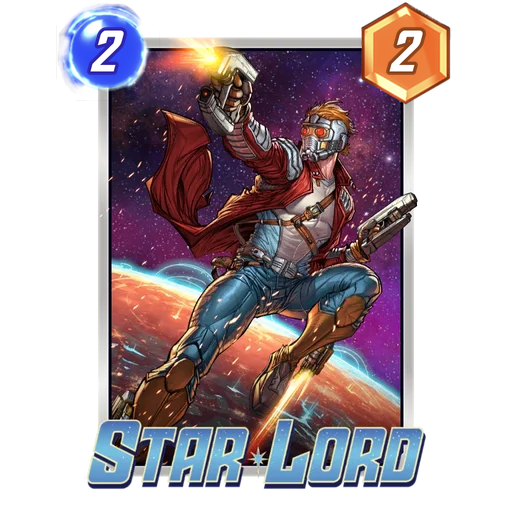
- The Star-Lord “Atrocious” build is still worth recommending because it has real fallback pressure.
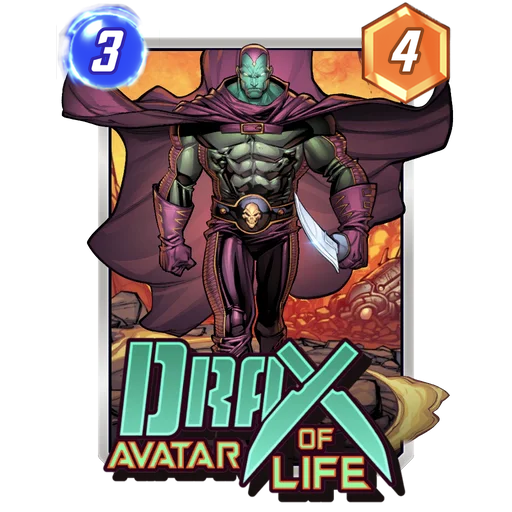
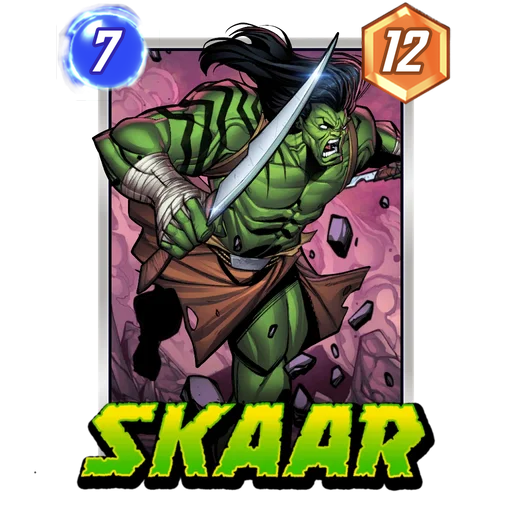
- Drax Avatar of Life and Skaar give Star-Lord shells another way to win when the duplication line is imperfect.
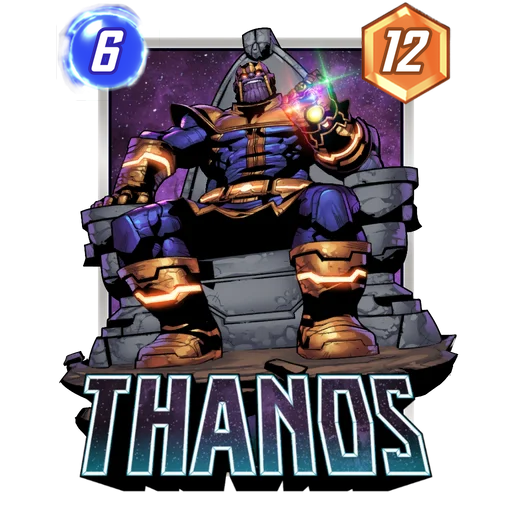
- Thanos remains relevant because the current ladder is full of large power and predictable setup turns.
- The best decks this week are the ones that keep cube decisions clear.
- Do not chase raw ceiling if the deck cannot function through disruption or awkward draws.
Atrocious Is A Star-Lord Deck With A Plan B
The first recommendation is still a Star-Lord deck, but not because every Star-Lord shell is automatically correct. The “Atrocious” build matters because it asks the right question: what happens when the clean Star-Lord line does not appear?
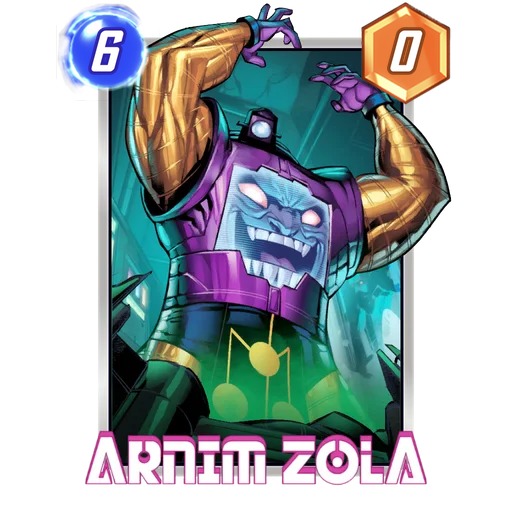
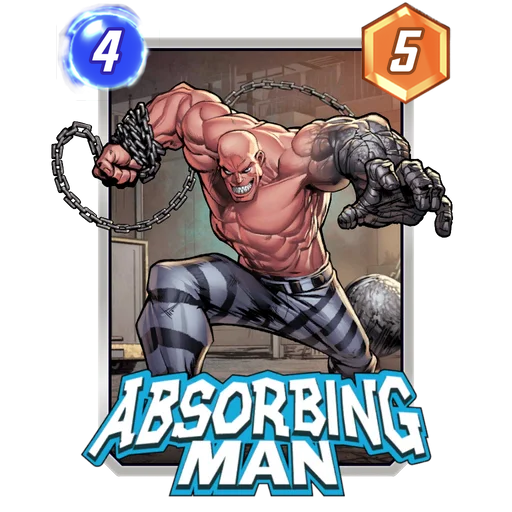
The standard package of Star-Lord, Grandmaster, Arnim Zola, and Absorbing Man can produce absurd turns. The problem is that ladder games rarely reward a deck that only functions when the full movie plays in order.
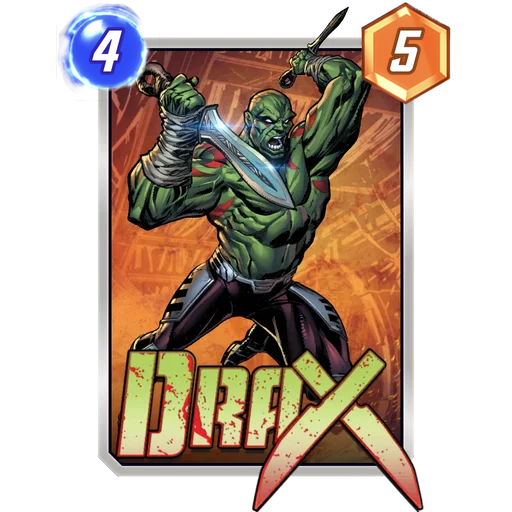
This version adds more independent pressure. Drax Avatar of Life can become a strong three-cost body. Skaar gives the deck another payoff for hitting big numbers. Starbrand and Ares-style pressure help manipulate priority and create lane math outside the main combo.
That makes the deck harder to read and less helpless when the perfect line is missing.
Drax Is Better Here Than He Looks
Drax is not mandatory forever, but the slot makes sense right now. In many games, he becomes a 3/10-style contributor for Skaar math, or at least a strong enough body to keep the deck from passing too much tempo.
That is important because Star-Lord decks can get greedy. If the list spends too many turns preparing for a huge finish, it can lose before the finish matters. Drax helps contest the board while still supporting the larger power plan.
If you do not have Drax, the slot can shift toward Wave for heavier ramp or Sage for another scaling option. The point is not that Drax is sacred. The point is that the deck needs a midgame card that does something when Star-Lord is late.
Skaar Gives The Deck A Different Ending
Skaar is the piece that makes the build feel less linear. When the deck creates 10-power bodies through Drax, Starbrand, or the usual Star-Lord nonsense, Skaar becomes cheap enough to create a final turn that does not rely entirely on one copied effect.
That matters into opponents who know what Star-Lord is trying to do. If they can read the Zola lane or prepare for the obvious duplication line, Skaar gives you a different way to spend the last turn.
The best ladder decks make opponents answer multiple endings. This version does that better than the pure combo builds.
Thanos Is A Meta Answer, Not Just A Comfort Pick
The second major recommendation is revisiting Thanos. The reason is simple: there is a lot of power hitting the board right now, and many decks are spending key turns setting up. Thanos lists can use stones, tech, and flexible sequencing to get ahead of those turns.
This is not about nostalgia. It is about board access and options. Thanos decks can contest multiple lanes, carry tech cards, and adapt their final turns based on what the opponent reveals.
In a meta where Star-Lord and other scaling decks are trying to assemble large payoffs, a flexible Thanos shell can punish the setup instead of trying to out-greed it.
Cube Clarity Is The Real Recommendation
The common thread between these choices is not that they always make the biggest number. It is that they give the pilot clearer decisions.
A good Star-Lord hand tells you when the duplication plan is live. A good Skaar draw tells you whether the deck has a backup finish. A good Thanos hand gives you early information through stones and tech access. Those signals matter more than highlight turns.
If a deck cannot tell you when to snap or retreat, it is not worth trusting for a climb, even if it looks incredible in isolated games.
What To Cut If The Meta Changes
These recommendations are tied to the moment. If the ladder gets less greedy, some of the tech and backup choices can change. If players stop leaning into big setup turns, the Thanos angle may lose value. If Star-Lord mirrors become too common, the build may need more disruption or a cleaner way to win priority fights.
That is the correct way to treat weekly deck picks. They are not commandments. They are answers to what the ladder is currently asking.
Final Verdict
Queue decks that have more than one ending. The post-OTA ladder is too volatile for fragile lists that only win through perfect sequencing.
The Star-Lord Atrocious build is worth trying because it keeps pressure when the combo is incomplete. Thanos is worth revisiting because it attacks the setup-heavy field. Whatever third list you choose, hold it to the same standard: clear cube signals, flexible lanes, and a plan that still works when the best draw stays buried.