A lot of the current meta feels predetermined, so I want to find ways around it.
Pixie and a three-lane Technoorganic Virus plan
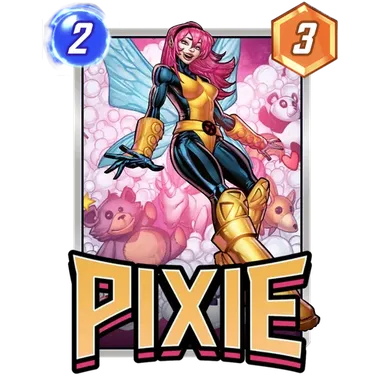
I started with the Pixie Technoorganic Virus list because it surprised me. The version I found used America Chavez, but I moved to Jennifer Kale for consistency. I absolutely loved the Technoorganic Virus Pixie list. I found the original version on Untap. The original version was fantastic. I ran about a 65% win rate with the America Chavez version before I began testing with Jennifer Kale. Jennifer Kale is a card I’m probably looking to play on turn four, not really turn two. Pixie remains the turn-two priority when I have it.
Pixie is a hit-or-miss card for plenty of players because I am announcing early that you have no idea what my output will be. Luna Snow also helps. With Mobius down and no Pixie swap, I sometimes felt one energy short.
The heart of the deck is not simply playing infected cards. I want all three lanes infected by the final turn, with my last card adding another Technoorganic Virus to complete the board. Every time I play it, all infected cards get another point. I am looking at nine infected cards by the final turn. Spread the infection from lane to lane and the early cards keep benefiting as the game develops. Landing the infection in one lane and then spreading it means the earlier infected cards keep benefiting. When I get Technoorganic Virus down two, three, or maybe four times, I want to hit all three lanes.
That third-lane plan is about having all three lanes infected by the final turn. In the example I described, infected cards in the left lane are plus two after the second infection and infected cards in the middle lane are plus two as well. The board-wide payoff depends on that repeated spread, not merely one infection in a single lane.
That is why I care so much about a third lane that has not been infected yet at all. I want my final Technoorganic Virus play to infect that third lane. It extends the compounding plan across the entire board. The list looks less powerful than it is, which is part of what surprised me.
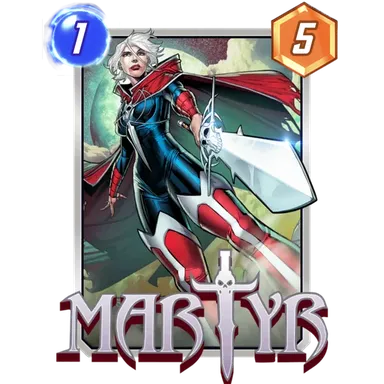
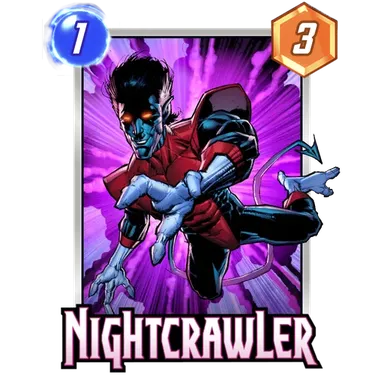
There are limits. Mobius counters the deck aggressively, and I still need to respect that. Even then, Cosmic Ghost Rider can disable cards, while Red Hulk gives the deck another large payoff. Martyr is also a personal choice rather than a requirement. When I play Martyr, I only do it when I know I have infection in hand. Nightcrawler, Bob, or Titania are reasonable alternatives for anyone who does not want that risk.
Hydra Stomper is a different kind of Super Giant deck
The Hydra Stomper move deck is an old friend, and this is a good moment to revisit it. It can be a Super Giant deck without feeling locked into the usual Super Giant experience. Its power starts moving around early. On turn four, I can still move Nightcrawler and Silk after playing Super Giant.
There is also value in playing Super Giant without priority. That line can give me delayed defensive options, which is a strange but useful angle for a deck already built around movement. The list has power I control, while its final output remains harder for an opponent to read. Craven and Sam Wilson can keep ramping as the game develops, while Silk keeps moving.
That uncertainty is the reason I like this deck in the current environment. When players recognize a deck’s expected power and finishers, I see room for older move lines and deck shells people may have forgotten. Hydra Stomper is flexible enough to vary card by card, but the core idea is worth remembering: move power early, use Super Giant in a less obvious way, and make opponents account for output they cannot pin down as easily.
The Good, the Bad, and the Rocky has another plan
The Good, the Bad, and the Rocky is also a Super Giant deck, though it plays very differently from Hydra Stomper. This version pushes for priority. Without the line I am looking for, I need other plays. I wanted another plan beyond a random Iron Patriot card.
The list plays Valentina and intentionally plays Quinjet alongside Iron Patriot. Quinjet stays for the extra reduction on Iron Patriot and Valentina cards. Those reductions give the deck more options, including final turns where a generated card can still support a priority play.
Rhino, Debris, and possibly Vision form a solid base around that package. I kept debating whether Quinjet belonged, yet the reductions were the reason to hold onto it.
That is the deck’s strength for this meta. It does not lean exclusively on rocks. It combines two strong ideas without demanding that every game follow a single sequence. I wanted to showcase it because the other plan is pretty strong now.
A bonus deck I still want gone
The fourth deck only needs a brief warning. I have said before that this deck needs to die, but Adamantium Infusion was too smart an addition to ignore. The change leaves Jim Hammond out and puts Adamantium Infusion in.
When the final combo reaches the Zola line, I can play Zola and Adamantium Infusion in the same lane. I hate how smart that is, which is exactly why it earned the bonus slot.
Even if you do not have Super Giant or Technoorganic Virus, what are you playing this week?