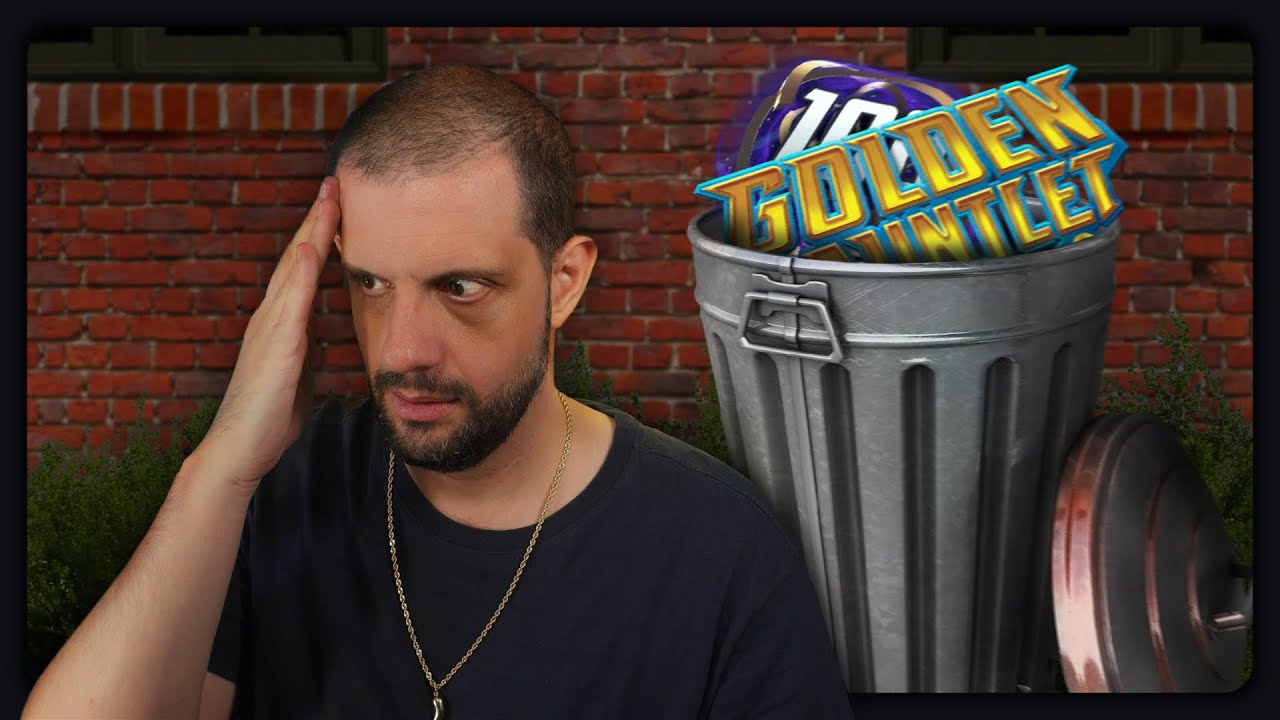
We did not take time off because The Ban List is over. The break raised a longevity question: are we choosing topics because we want to discuss them, or because another episode is due?
There is still plenty to argue about in Marvel Snap. We still want the community in the room. We are not canceling the show. What we are considering changing is the standard for what belongs on the wall, who gets to bring an argument, and when a frustrating system deserves a ban instead of a better redesign.
That distinction matters. A ban should mean we want something gone. A rework means the underlying idea may be worth saving, even when its current form is not.
The Ban List Is Continuing, Just Not on Autopilot
The format already found a rhythm through community input and recurring conversations, but frequency and longevity are pulling in different directions. A revised format could bring new perspectives into each episode while keeping a community submission, without forcing a fresh grievance every time.
Community points have led to some of the more interesting conversations. That is different from looking at the game and deciding that every irritation deserves the same treatment.
The wall itself also needs a review. Some early bans came from real frustration, but time changes the question. A system may still be annoying while the better answer has become a rework, a clearer rule, or a more focused complaint. Revisiting old decisions is part of taking the format seriously.
Guest Creators Can Change the Argument
Bringing in other creators could give the show more than a rotating guest chair. It could open the conversation to takes the usual format may not surface, while still keeping the community submission in the episode.
With a guest, agreement can become a three-headed hydra.
The proposed baseline is straightforward. A creator arrives with three topics, while one topic still comes from the community. Community topics could pass on a two-to-one vote, while creator-brought topics would require unanimous approval. The structure is not final, but it gives the next phase a clear starting point.
The most unusual case would put a guest against two opposing votes and demand a convincing argument for the wall; that outcome is described as less likely, but it could make for a fun debate.
There are limits. Locations remain outside the intended pool because they are constantly changing in a live-service game.
A Rework Is Not the Same as a Ban
The clearest outcome from the review is that several old entries need repair.
Poor collection filtering belongs in that category. The existing filtering feels inadequate. That calls for a rework.
Series 2 received the same treatment. The discussion calls for a redistribution of the collection path. One proposal was to speed up acquisition through Series 1 and turn a revised Series 2 into a home for core Series 3 cards. The goal is a faster early path, rather than treating every old collection card as something to erase. The stated appeal was knowing which direction to farm before spending resources on later cards that fit an archetype.
The duplicate complaint about boosters in seasonal chests also came off the wall because random boosters as progression had already been banned earlier. The objection remains. It did not need a second entry.
Conditional bundles were also moved into the rework column. The suggested alternative splits the purchase: a $9.99 variant option after obtaining the card, followed by a $19.99 offer of credits and additional boosters for that card. The point is to let someone buy the variant without having to buy the larger package.
The twenty-four-hour shop rotation was also moved into this column. The request is for a new design.
Slow servers led to a more precise replacement. The problem worth banning is the reconnect-to-game button. If the client crashes while a match is active, the game should load that match directly. Players should not return to the home screen before using the reconnect option.
Token Tuesdays stayed on the wall as a bad deal, even as the conversation considered revisiting them or replacing the old shop system.
What Still Belongs on the Wall
Several bans survived after the review.
Random boosters still fail as progression rewards. They were described as filler and a missed prize rather than meaningful progression. Event-exclusive cosmetics remain a problem because players may want those cosmetics on cards they already own without being locked out by the event.
Paid-track ticket rewards also stayed on the wall. The focus is paid routes that skip gameplay and then award more gameplay in that mode.
Hot locations remain separate from featured locations. A newly introduced featured location can present a new mechanic. Hot locations instead push an existing location into the meta and can make players choose not to play at all.
A mobile web shop ad had to be closed with the X rather than an outside tap. The emote menu still makes players scroll through it. Fast-forward animations can still trigger at strange times. The discussion separately calls out the wait for long Swarm and Iron Man animations.
Player support, recognizable bots, hidden MMR, the How to Play section on the web shop, the random team button, and the inbox all stayed on the wall. Rank may look like a digestible number, yet matchmaking remains hidden, which can misrepresent a player’s strength.
Missed patch notes and unread Slack notifications stayed on the wall as a call for better internal communication. Recent seasons were not announced in the area that previously carried season news. At Rare complete, Premium Mystery Variants can leave you with avatars or boosters instead of a variant. Rainbow confetti flares occupying split space, gold-diamond flare sound effects, upgradeable-card visual effects, inconsistent news categories, Reddit comments, and season-pass naming all remain on the wall.
The Alliance Snapbot stayed despite the view that it does not do enough harm. Transformation inconsistency stays too. The requested outcome is one rule for transformation. Album-variant weighting also remains a problem, including the extra treatment of tagged variants after an optional album is already complete.
Room for Better Bans
Poor collection filtering, Series 2, seasonal-chest boosters, conditional bundles, twenty-four-hour shop rotations, and slow servers were removed from the wall during the review. The complaints remained through rework requests, a more precise target, or an existing ban that already covered the same problem.
That is the direction worth carrying forward. The Ban List should make room for better arguments, including arguments that challenge something we already decided. A format built around Marvel Snap’s long-term friction needs enough flexibility to admit when an old verdict was too broad.
The Ban List is continuing, with community submissions and possible guest conversations helping refine its next phase. [Watch the full Ban List discussion on YouTube.](the original episode)