Snapcast Ep. 128 opens around a very medium OTA, but the interesting part is not whether every individual change reshapes the meta. Most of them do not. The useful part is what the update reveals about MARVEL SNAP balance, ladder psychology, and the way players decide what deserves a nerf.
Some changes are directionally correct but practically tiny. Some cards are strong because of their text, not their stat line. And some community frustration has less to do with the patch itself and more to do with how the ladder feels when one archetype is everywhere in your personal pocket.
That is where this episode lands: the patch is small, but the conversation around it is not.
The Short Version
- Chamber losing one power is directionally fine but unlikely to change deck-building decisions.
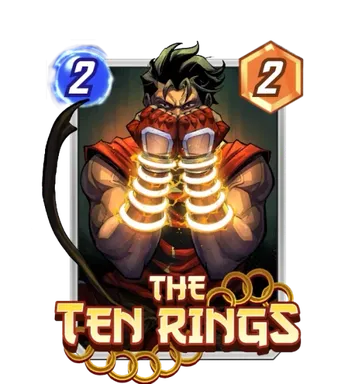
- Shang-Chi Master of the Ten Rings gaining power matters more, but may still not be enough to revive the card.
- Star-Lord Master of the Sun is strong, but the nerf discussion depends heavily on which ladder pocket you are judging from.
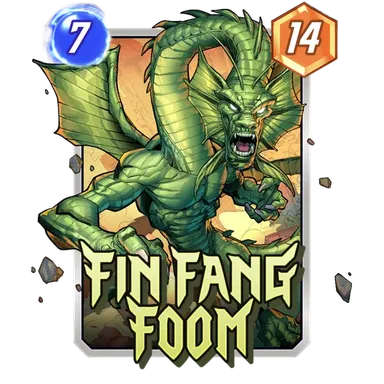
- Fin Fang Foom creates a cleaner ethical-versus-greedy deck-building question than most giant finishers.
- Pre-Infinite and post-Infinite ladder can feel like different games because incentives change.
- A small OTA can still matter if it changes player behavior, even when the numbers barely move.
Chamber Was Hit In The Least Important Place
The Chamber change is the kind of adjustment that looks correct on paper and meaningless in practice. Taking a point of power off a card that is defined by its text does not usually change the reason players include it.
If a deck was already playing Chamber, it probably keeps playing Chamber. The card still does the thing the deck wants. The relevant question was never the printed number in the corner. It was whether the effect creates enough pressure, scaling, or stability to justify the slot.
That is why the nerf feels so light. It acknowledges the card’s presence without actually attacking the engine.
Sometimes that is fine. Not every OTA needs to blow up a deck. But players expecting a meaningful hit to the ramp shell were probably always going to be disappointed by this version.
Ten Rings Needed More Than A Courtesy Buff
Shang-Chi Master of the Ten Rings is a more interesting case because extra power on a flexible option can matter. If a card gives you a choice, the baseline body influences how often you are willing to accept the awkward parts of that choice.
The issue is whether the buff changes behavior. A card can improve and still fail to cross the threshold where players actually queue it. If the community was barely playing Ten Rings before, a modest stat bump may not be enough to make people revisit the deck unless the surrounding meta also gives them a reason.
That is the core difference between a meaningful buff and a polite one. Meaningful buffs change what players test. Polite buffs make a card look less embarrassing while leaving the ladder mostly untouched.
Star-Lord Is Strong, But Nerf Talk Needs Context
The biggest debate is Star-Lord Master of the Sun. Some players want the card nerfed because it feels too consistent, too explosive, or too central to current deck-building. Others see a card that is strong but beatable, especially in higher Infinite pockets where players are already adapting.
That split matters. A card can feel oppressive at one rank band and manageable at another. It can farm players who do not respect the play pattern while struggling against players who understand the pressure windows and counterplay.
That does not mean complaints are fake. It means nerf arguments need context. Is Star-Lord actually overcentralizing, or is he simply the newest card players are losing to while the meta adjusts?
The answer may change over time. Early frustration is not the same as long-term proof.
Ethical Foom Is A Real Deck-Building Question
Fin Fang Foom creates a fun framing because he asks whether a deck should be ethical or greedy. Do you build a cleaner, safer shell with reliable lines, or do you push toward the biggest possible payoff and accept more awkward games?
That question matters because MARVEL SNAP often rewards greed only when the deck can still function on bad draws. If the Foom package produces huge final turns but collapses without the right setup, it becomes a highlight deck. If it creates large pressure while keeping backup lines intact, it becomes a serious ladder option.
The best version is probably the one that does not need to apologize for missing the dream. A deck can be greedy. It just cannot be helpless.
Pre-Infinite And Post-Infinite Are Not The Same Experience
The episode also gets at a ladder truth players feel constantly: pre-Infinite and post-Infinite MARVEL SNAP are different emotional environments.
Before Infinite, cubes carry rank pressure. Players retreat differently, snap differently, and often protect progress more carefully. After Infinite, the safety net changes behavior. Some players experiment more. Some snap more aggressively. Some stop caring about cube discipline entirely.
That shift changes how decks feel. A list that farms cautious players before Infinite may not convert the same way into a looser, sharper, or more experimental post-Infinite field.
So when players argue about whether a deck is broken, bad, or overrated, they may be describing different ladders without realizing it.
Small Patches Still Shape The Conversation
This OTA may not rewrite the meta, but it still matters because MARVEL SNAP balance is not only about numbers. It is about incentives.
Does a nerf make players less confident snapping? Does a buff make an old card worth testing again? Does the community overreact to a small change and create a temporary pocket where a counter becomes better?
Those ripples can matter even when the patch itself is modest. A medium OTA can still move the conversation, and the conversation can move the ladder.
Final Takeaway
Episode 128 is not about a massive balance shakeup. It is about the gap between patch notes and actual player behavior.
Chamber probably remains Chamber. Ten Rings may still need more help. Star-Lord deserves serious discussion, but not context-free panic. Fin Fang Foom asks players how greedy they can afford to be. And ladder itself changes depending on whether players are protecting rank or playing with house money.
The OTA was medium. The questions underneath it were much more useful.