The Ban List works best when the joke points at a real structural problem, and deleting Series 2 is exactly that kind of take. Series 2 made sense when MARVEL SNAP was younger, slower, and easier to segment. In 2026, it mostly feels like a leftover checkpoint between the tutorial and the actual card economy.
The episode also hits a second, very different problem: inconsistent wording around card cost. One is about new-player progression. The other is about clarity. Both matter because Snap is at its worst when players are fighting the system instead of the opponent.
The Short Version
- Series 2 no longer feels like a meaningful progression step for modern Snap.
- Many Series 2 cards are still important, but the series itself is awkwardly placed.
- New players need faster access to real deck-building choices, not another passive unlock band.
- Cost wording should be consistent between printed cost and current play cost.
- The game needs fewer hidden lessons and more readable systems.
Series 2 Is The Wrong Kind Of Onboarding
Series 2 covers an early collection window where players unlock useful cards, but it does not give them much agency. There are no meaningful token decisions, no real targeting, and no sense that the player is building toward a chosen deck.
That may have been fine near launch. It is much harder to defend now. MARVEL SNAP has years of added cards, more archetypes, more modes, and a much larger gap between new players and established collections.
A progression band that once felt like pacing now risks feeling like delay.
The Cards Are Not The Problem
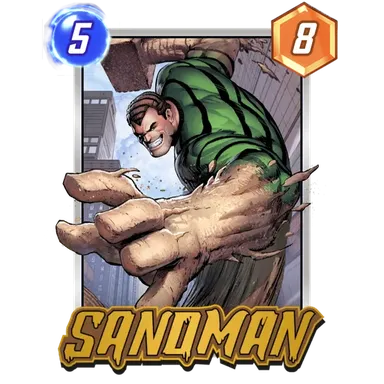
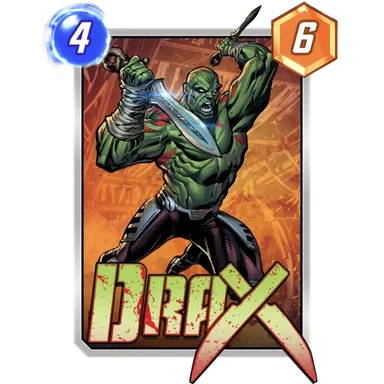
Deleting Series 2 as a concept does not mean the cards are bad. Quite the opposite. Cards like Killmonger, Shang-Chi, Sunspot, Sandman, Sabretooth, Drax, and other early tools still matter across Snap’s ecosystem.
That is why the better argument is redistribution, not removal. Move some cards earlier. Move some into Series 3. Rebuild the early path so new players get useful tools without preserving a series band just because it used to exist.
The goal is not to take cards away. The goal is to make early progression match the modern game.
New Players Need Choices Sooner
The biggest issue with Series 2 is that it does not prepare players for the real MARVEL SNAP economy. Modern Snap is about choosing targets, building packages, and understanding archetypes. Series 2 mostly says: keep opening, eventually you will get the next thing.
That can feel clean for a brand-new player, but it also delays the moment where the game becomes strategic outside the match itself. If a player is going to stick with Snap, they need to understand how collections become decks.
Early progression should introduce that idea sooner, not hide it behind another unlock lane.
Cost Wording Should Not Be A Puzzle
The second ban target is less flashy but just as important: inconsistent use of cost language. Snap has tried to distinguish between printed cost and current play cost, with uppercase and lowercase wording doing different jobs.
That distinction is valuable. Killmonger caring about one-cost cards is not the same as a card temporarily costing one to play. Sandman, Sabretooth, Mobius-style effects, locations, and cost-changing cards all rely on players understanding the difference.
The problem is that inconsistency turns a useful rule into trivia. If wording is not reliable, players stop trusting the text.
Clarity Is A Competitive Feature
MARVEL SNAP has plenty of complexity already. Locations, hidden information, order of operations, cost reduction, generated cards, and temporary effects all create enough edge cases. The card text should be the stabilizing force.
When wording is inconsistent, players lose games to interpretation instead of decisions. That is a bad feeling, especially in a game where one misunderstanding can turn into four or eight cubes.
Fixing language is not just polish. It is competitive integrity.
Hot Locations And Forced Play Patterns Are Part Of The Same Friction
The episode also brushes against another recurring complaint: systems that make players avoid the version of Snap they actually wanted to play. Hot locations can push creators and competitive players away from ladder because testing becomes warped around one temporary condition.
That connects back to the Series 2 argument. Snap should reduce friction between the player and the deck they want to play. When progression, wording, or temporary systems get in the way, the game starts feeling less like fast strategic matches and more like management.
Final Takeaway
Series 2 should probably be retired as a rigid structure. The cards can stay, but the progression path needs to be rebuilt for the modern game. New players need meaningful choices sooner, not another passive card band that made more sense years ago.
At the same time, Snap needs to clean up its wording around cost. If a card means printed cost, say it consistently. If it means current play cost, say that consistently. The best version of MARVEL SNAP is complicated because the decisions are interesting, not because the systems are unclear.