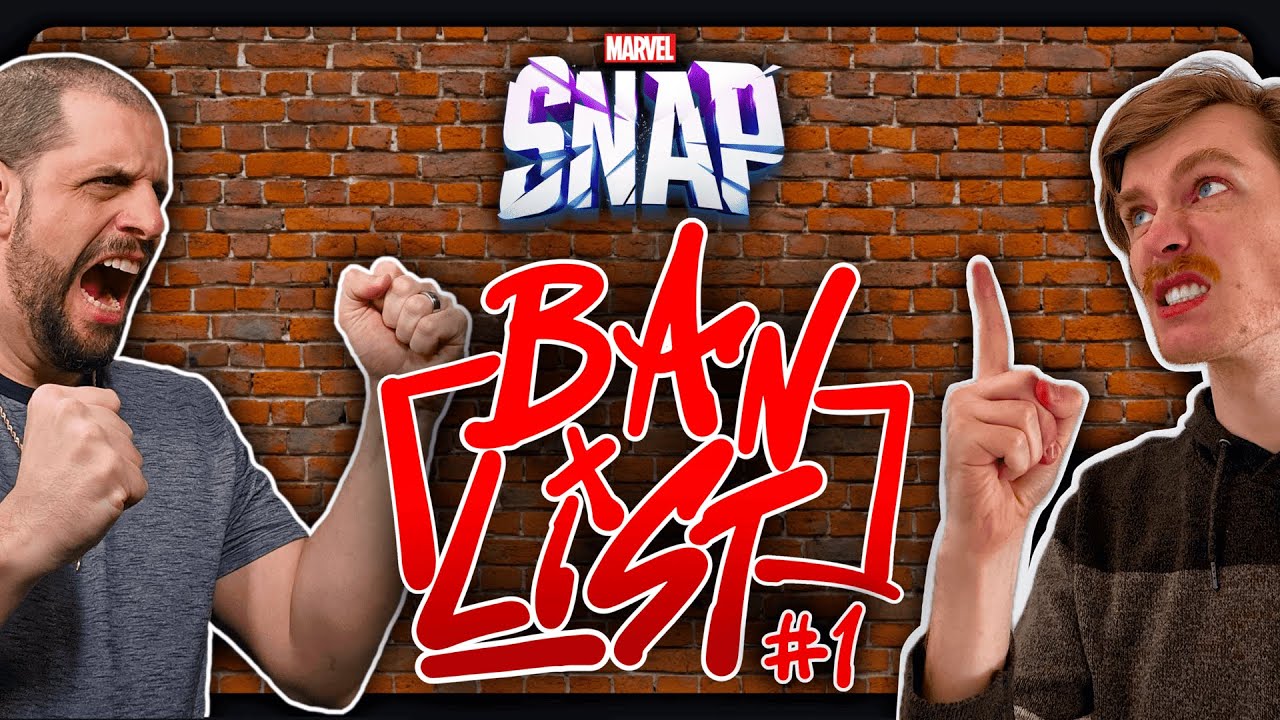
MARVEL SNAP players complain constantly, but most complaints die in the same boring place: “this card is broken,” “that deck is toxic,” or “delete this thing because I lost to it.” The Ban List works better because it aims at the stuff around the game — the mechanics, economy choices, visuals, habits, and weird little annoyances that make Snap feel worse than it needs to.
That is a much funnier premise, but it is also a more useful one. Cards change all the time. OTAs can rescue a bad number or knock down an oppressive stat line. The deeper irritations are usually design patterns: reward structures that feel outdated, cosmetic decisions that miss the point, or systems that make players feel like they are being nudged instead of respected.
Episode one sets the tone: roast the thing if everyone agrees, take it to Snap Court if there is a real argument, and keep the list focused on the parts of MARVEL SNAP that deserve side-eye.
The Short Version
- The Ban List is not about deleting cards; it is about calling out bad patterns in the MARVEL SNAP ecosystem.
- The format works because agreement becomes a roast and disagreement becomes an actual argument.
- Token Tuesday is the cleanest early target because the economy has outgrown that kind of conversion deal.
- Cosmetics and variants are fair game when they feel confusing, lazy, or poorly presented.
- The best complaints are specific enough to be funny and practical enough to matter.
- MARVEL SNAP discourse is healthier when it critiques systems instead of just rage-banning whatever won yesterday.
The Format Matters More Than The Gimmick
The easy version of this show would be two people saying cards should be banned because they are annoying. That would get old immediately. The better idea is banning the stuff that lingers after balance patches.
A card can be too strong for two weeks and then vanish after an OTA. A bad economy habit can sit in the shop for months. A weird UI choice can bother players every day. A cosmetic category can keep creating confusion long after the actual gameplay meta changes.
That gives the Ban List room to be opinionated without becoming just another balance complaint machine.
Snap Court Is The Important Safety Valve
The best part of the premise is that disagreement does not kill the conversation. It sends the complaint to Snap Court.
That matters because some MARVEL SNAP annoyances are only annoying from one angle. A mechanic might feel awful when it beats you but be necessary for counterplay. A shop offer might look bad to one player and useful to another depending on collection level. A visual effect might be ugly, but still communicate something clearly.
Snap Court forces the complaint to survive contact with the other side. If it cannot, it probably did not deserve the list.
Token Tuesday Feels Like An Old Economy Wearing A New Hat
Token Tuesday is a strong first target because it represents a bigger resource problem. There was a time when converting gold into tokens felt like a clean, exciting way to progress. Tokens were a bonus layer, and a predictable weekly conversion could feel like a small win.
The economy is different now. Tokens are not just a cute extra. They sit at the center of card acquisition decisions alongside Snap Packs, series drops, and targeted shop choices. When the primary resource structure changes, old deals need to be re-judged.
A weak Token Tuesday is not just a bad bargain. It teaches players to treat resource conversion like a ritual instead of a plan. That deserves the Ban List more than a random card that had a good weekend.
Cosmetics Are Not Automatically Harmless
It is easy to dismiss variant complaints because cosmetics do not change gameplay. But cosmetics are part of how MARVEL SNAP sells identity, excitement, and collection pride. If a variant looks off, is hard to distinguish, feels low-effort, or lands in the shop at the wrong value point, players are allowed to care.
The trick is separating “I personally dislike this art” from “this cosmetic category is creating a bad experience.” The first is taste. The second can be a real Ban List case.
That is where the format helps. If both hosts immediately agree, roast away. If not, make the argument earn it.
The Best Complaints Are Specific
MARVEL SNAP discourse gets worse when every frustration becomes gigantic. “The economy is trash” is too broad to be useful. “This specific weekly conversion no longer makes sense in the current economy” is an actual argument.
The same rule applies to locations, modes, missions, variants, UI, and reward tracks. The more specific the complaint, the more fun it is to debate and the easier it is to decide whether it belongs on the list.
That specificity also keeps the show from becoming pure negativity. It is not “ban everything I dislike.” It is “this one thing is failing its job, and here is why.”
The Ban List Can Be Critical Without Being Miserable
There is a real difference between hating a game and wanting it to stop stepping on rakes. The Ban List works because it sits in that second category. It is annoyed, but not checked out. It is sarcastic, but still invested.
That tone matters for MARVEL SNAP. The community has plenty of frustration, and some of it is earned. But the best version of that frustration turns into cleaner feedback, better jokes, and sharper standards.
If the show keeps that balance, it can be more than a roast segment. It can become a running archive of the little decisions that make Snap feel better or worse over time.
Final Verdict
The Ban List is a smart premise because it gives MARVEL SNAP complaints structure. It avoids the lazy version where every strong card gets yelled at and instead asks which systems, offers, visuals, or habits deserve to be put on trial.
Token Tuesday is exactly the kind of target that makes sense: not dramatic, not flashy, but clearly tied to how players experience the economy now. That is the lane. Ban the stale systems. Put the borderline cases in Snap Court. Save the card rage for the OTA.