I wanted this week’s deck batch to cover both ends of the current Marvel Snap mood. New cards are landing, Draft is on the way, and the same ladder can ask for a one-card-per-turn plan or a messier line that rewards knowing when to change course. So these six lists are not six versions of one idea. They are six different answers to the same question: how much complexity do you actually want to carry into a game?
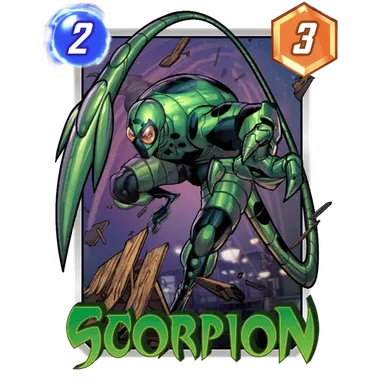
The starting split is simple versus complicated, then new versus old. That framing matters because the card that looks exciting on release is not always the card that should become your whole game plan. Scorpion: Brand New Day and Death: Fractured Frontier both show up here, yet they ask for very different discipline.
Scorpion’s one-card-per-turn shell
The Scorpion: Brand New Day list is built as a one-card-per-turn deck. The ideal line is Scorpion on two, then a three-cost, four-cost, five-cost and six-cost card in sequence. There will be games that bend that shape. It is Marvel Snap. The point is that the deck has a default line you can recognize before you start reaching for a combo.
Caliban and Jane Foster: Fractured Frontier each matter for a different decision. If the hand can keep Caliban’s effects moving across the next turns, that is the direction to explore. Jane Foster becomes more appealing against an opponent who already has cards on the board and priority going into turn three.
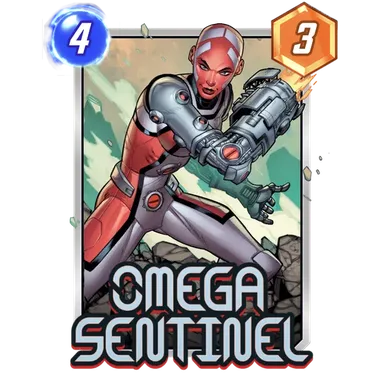
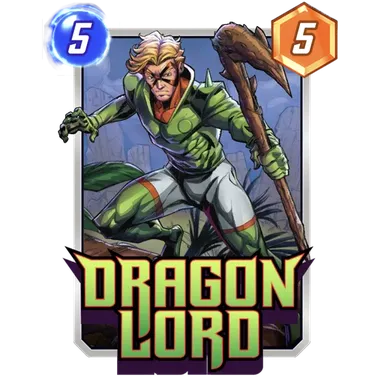
Affliction is present here, though it is not the finish by itself. Scorpion and Jane Foster supply part of that pressure; Caliban and Omega Sentinel are the cards I am leaning on for the heavier hit. Dragon Lord can add cards while keeping the single-card-per-turn posture intact.
Death needs a role beyond the headline
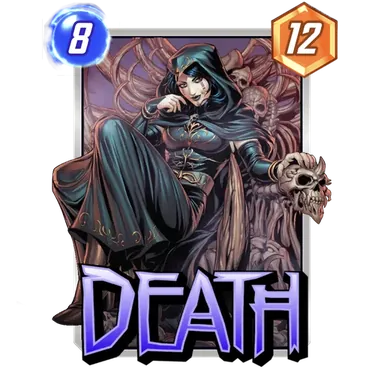
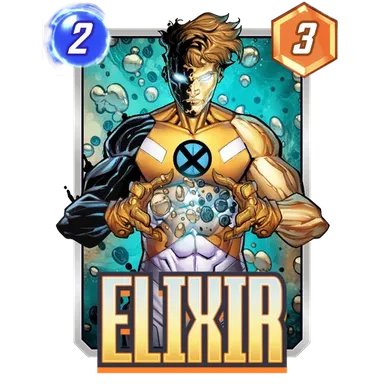
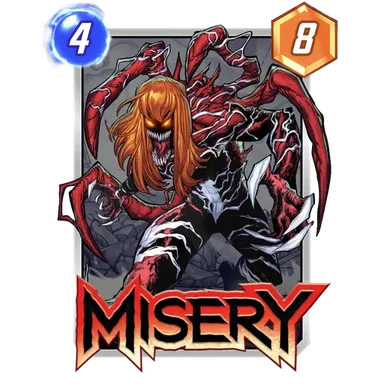
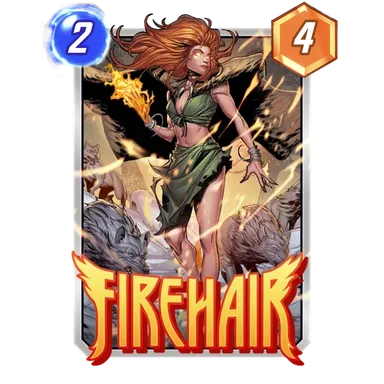
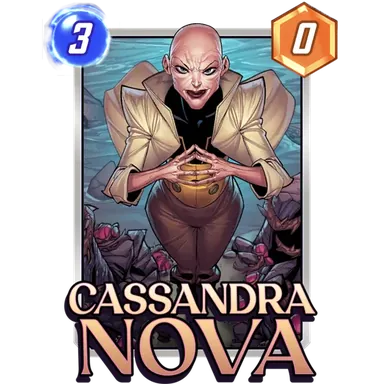
Death: Fractured Frontier is the card that sent me down the bigger rabbit hole. One build uses Elixir, Misery, Firehair, Cassandra Nova, Sage, White Tiger and Ironheart. The appeal is repeat value. A destruction effect can produce another effect when the revived card returns, and Fastball Special helps keep the board from filling up while those lines develop.
Carnage is deliberately absent from that version. I wanted Venom to be the destruction tool, with Misery as a situational extra way to reuse something. Death is not supposed to be the only reason the deck wins. She is a bonus layered over cards that already have a reason to be there.
The second Death build pushes harder into regular Destroy. Carnage, Gambit, Killmonger, Zombie Captain Marvel, Fantomex, Bucky Barnes and Fenris Wolf give the deck destruction, revival and a defensive wrinkle for a weekend full of Death missions. Fenris Wolf can interact before an opposing revival resolves. That specific angle is tied to the week, not presented as a permanent answer to every matchup.
My read after testing is that Death wants the destruction work to happen before turn six. That makes the card feel closer to a payoff than a plan you must protect at all costs. If the whole line turns into a complicated attempt to set up Death, regular Destroy has a stronger claim on the slot.
Ongoing has room to punish the room
The Ongoing list is the answer for players who want to challenge the Death and Scorpion side of the format without abandoning their own board. Armor and Cosmo cover different parts of Death: Fractured Frontier’s line. Super-Skrull is in the list for Scorpion: Brand New Day shells, especially the ones using Scorpion with Luke Cage.
That creates a practical positioning question. If Luke Cage appears on the other side, Iron Man does not have to hide in the front lane just because Scorpion is involved. Super-Skrull can change the terms of that lane. Hope Summers earns the final slot because the extra energy can matter on turns five and six, including the turn where one more Ant-Man or J. Jonah Jameson fits.
This is also why I would not treat Ongoing as a pile of generic counter cards. The deck is trying to recognize the opponent’s direction early, claim priority where it has to, and keep its own payoff intact.
Thanos can take more than one route
The Activate Thanos list is built around a choice. A hand with small cards can lean into two cards per turn through Kitty Pryde. Another hand can build around Jocasta, Omega Sentinel, Prodigy and Maverick, with Scarlet Spider as a possible variation. Spider-Man: Brand New Day can move in and out of the list while giving Maverick extra power.
That flexibility is why I liked the shell. An opponent may see Thanos: Fractured Frontier, then see the Activate pieces, and still have to work out whether the closing turn is Thanos on five, a movement line through the Blue Stone, destruction, duplication, or a different pile of power.
The Ongoing Thanos list comes from a different place. Wong with Thanos: Fractured Frontier is a real line, though I did not want the whole deck to wait for it. Spectrum gives the stones another payoff because half of the stones are Ongoing. Luke Cage gives the list a defensive layer, and the deck can spread power across all three lanes rather than chase one narrow sequence.
None of these lists needs to be frozen at twelve forever. Collections differ. The useful question is what job a missing card was doing before you swap it. Keep the role, then make the change. Watch the full deck run here: Fine... I'll Do SIX Decks Again. | S8W3 - Marvel Snap