The first week of a season is not the time to wait for someone else to settle the Marvel Snap meta. Players are still trying to work out what matters, three new cards have arrived, and next week brings an OTAA. That uncertainty can create free cubes for anyone willing to get ahead of the field.
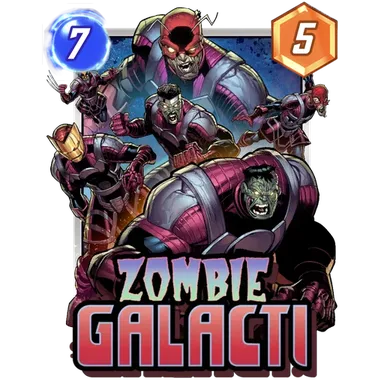
Galacti Brains Makes Them Solve Zombie Galacti
Galacti Brains is a selfish deck. I am doing my game plan, and I am asking the opponent to stop it. The entire question becomes whether they can beat Zombie Galacti once I have built it up.
That is more demanding than simply holding an answer. They need to project how much power Zombie Galacti has and decide where that power will matter. If they recognize the deck early, they can build priority and try to force me into a lane they believe they can block. If they guess wrong, I can simply outpower them.
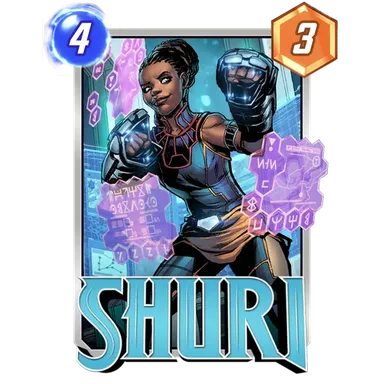
I also do not like the Shuri versions as much. They are more forecasted, and that matters when players can identify what you are trying to do early. Galacti Brains still asks for the right draws and setup. When the pieces line up, I get to present a threat the opponent must measure correctly rather than one they can comfortably map out from the opening turns.
Ongoing Hands Without Living Tribunal
The beginning of a season is also when I want to return to Ongoing. My preferred version is Mr. Fantastic Hands without Living Tribunal. That omission is a feature, not a compromise.
An opponent can start calculating whether I have Living Tribunal while I know that I do not. They are trying to account for the power already on the board and the power that could arrive later. Leaving that question open gives me more flexibility in how I distribute power, while the other side is spending effort on an outcome that is not coming. That mental disparity can lead to mistakes.
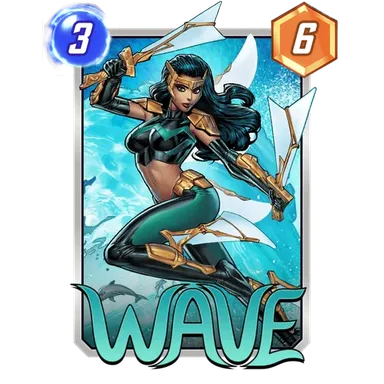
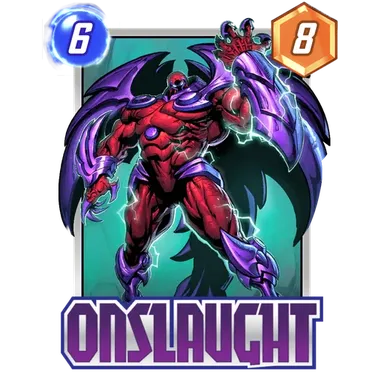
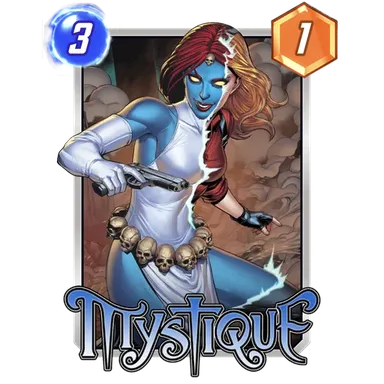
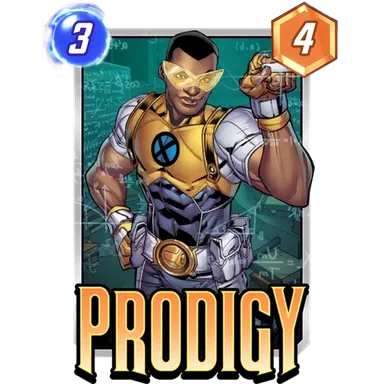
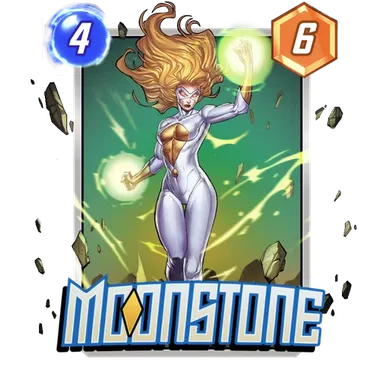
The core line I want is straightforward: Wave, then Onslaught on turn four. The earlier Onslaught comes down, the more room I have to develop the lane through lines involving Mystique or Prodigy. Moonstone then becomes an actual decision point rather than a card I play automatically. I can consider whether its focus belongs with Mr. Fantastic Hands, a Mystique effect, or Prodigy.
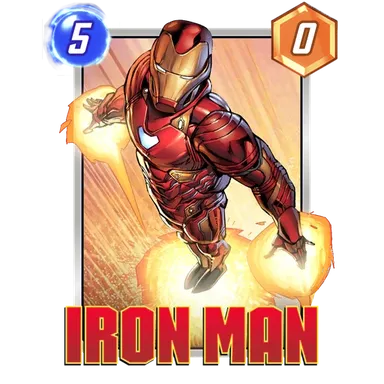
That is why I think this deck has more nuance than it gets credit for. It can create tall lanes for little cost, and it has a huge power ceiling through Iron Man, Onslaught, and Moonstone. There are also cost-reduction options that open more ways to sequence the deck.
It does not contain any of the new cards. I do not see that as a reason to leave it behind. If the goal is simply to climb before we know whether the format is becoming an Enchantress, Echo, Rogue, or Cosmo meta, Ongoing Hands is a very solid place to start. It is my safe build of the week because the plan is consistent while the endgame remains difficult for opponents to read.
A Thanos List Has Room for Weekend Missions
The third choice is a Thanos list, with one change for weekend missions. The full version replaces Technoorganic Virus with Spiderham. I chose Technoorganic Virus because this deck already has cards whose effects may be spent, and I want another way to get something from them afterward.
Spiderham is still a good card. At the time of recording, Spiderham was still in a weird bug situation, and its VFX could make it take more work to understand what it was doing.
Strife has a narrow purpose here: I am trying to play it for a second Aurora. That is the point of the card in this build. If I do not play Strife, that is fine.
What I like is the number of useful packages sitting inside the list. It has defensive and offensive tech, distributable points, and movable points. From the opponent’s side, that makes the deck difficult to predict. Aurora and Strife are a meaningful synergy, but the deck is not reduced to that one interaction.
I have been climbing with this list myself, and I think it may push me to Infinite over the weekend as well as handle the missions. Thanos is starting to make more of a comeback, and I am seeing the results of the Aurora synergy in particular.
The meta is wide open. You decide what succeeds and what defines the new meta. Watch the full discussion on YouTube: the original episode.