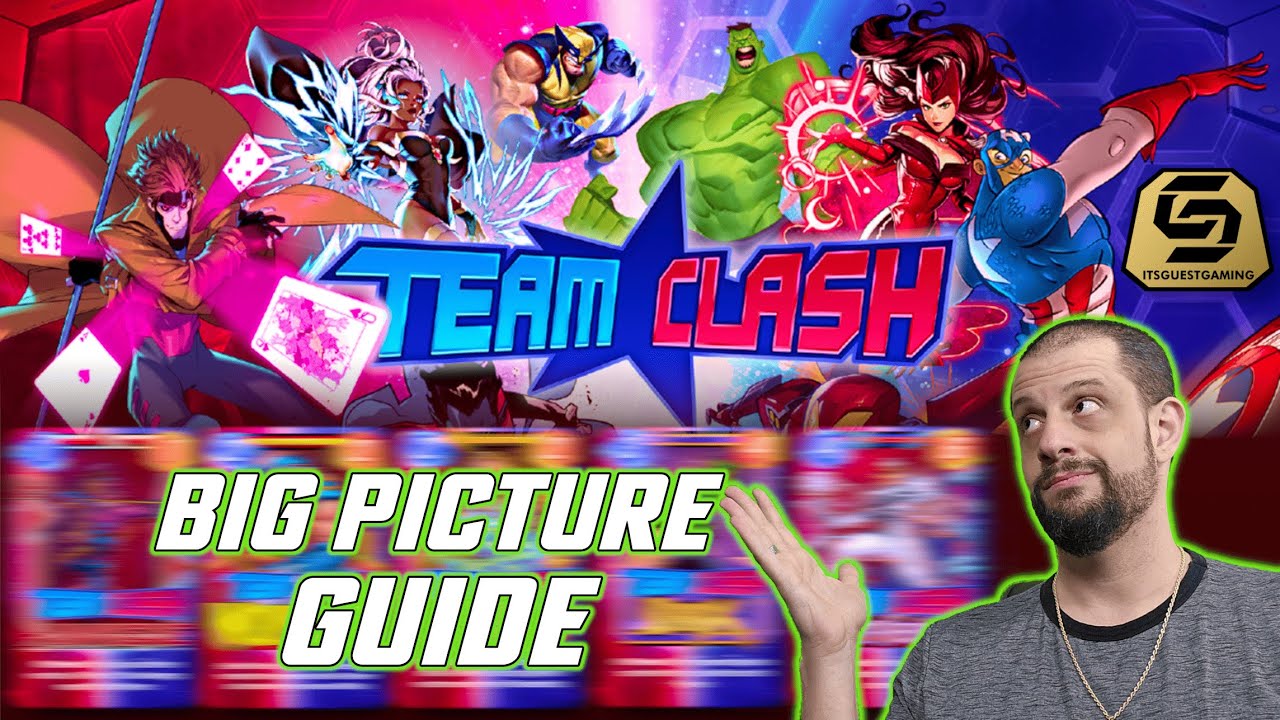
Team Clash is one of the more interesting MARVEL SNAP ideas because it does not just add new cards. It asks players to build around team identities. Avengers, X-Men, Spider-Verse, Thunderbolts, and other groups suddenly matter as deck-building frameworks instead of just comic labels.
That makes the mode exciting, but also complicated. New abilities, required cards, team effects, and expanded synergy lists mean players need to think differently before jumping in.
The Short Version
- Team Clash appears to be built around factions with required cards and team-wide effects.
- The six showcased cards are not the whole story; broader synergy lists matter too.
- Avengers-style decks lean into coordinated stat and curve plans.
- Spider-Verse decks look naturally strong because movement can repeatedly trigger team value.
- Thunderbolts may be harder to build because “playing from behind” is risky in Snap.
- The best lists will likely combine the required package with existing cards that already support the faction’s plan.
Team Clash Is a Deck-Building Mode First
The biggest shift is that Team Clash asks for faction construction. You are not just picking the twelve strongest cards. You are building around a team package, required cards, and a team effect that changes what the deck is trying to do.
That is why early deck building matters so much. If the new cards and abilities are not already available in the usual deck-building tools, players need clear visual references and theorycrafting to understand what each faction actually wants.
The mode will reward players who understand synergy before the queue starts.
The Six Cards Are Only the Starting Point
The important detail is that Team Clash is not limited to the six obvious faction cards. Other cards connected to Avengers, X-Men, Thunderbolts, Spider-Verse, and similar tags can also be part of the broader synergy list.
That changes everything. If existing cards count, then Team Clash is not a closed mini-game. It becomes a new way to evaluate cards already in the collection.
The best lists will probably come from combining the required team package with older cards that already fit the mechanic.
Avengers Should Reward Clean Coordination
Avengers decks are likely to be the easiest for many players to understand because the fantasy is straightforward: a coordinated team with recognizable cards and a clear central effect. The challenge is making sure the required cards do not become a pile of individually decent effects with no actual finishing plan.
A good Avengers list needs curve, power scaling, and a way to convert the team bonus into lane wins. If the deck only plays cards because they say Avengers, it will fall behind sharper faction builds.
The name is exciting. The list still has to win lanes.
Spider-Verse Looks Naturally Consistent
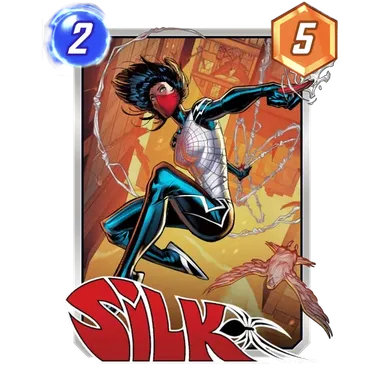
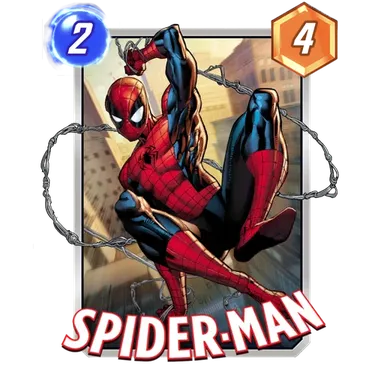
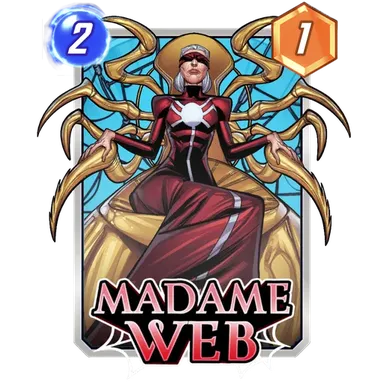
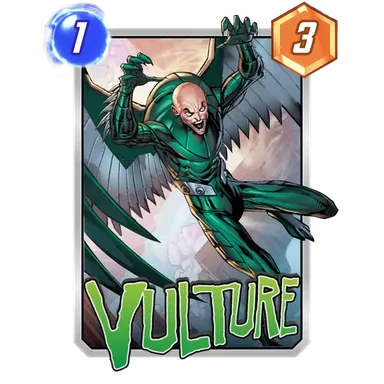
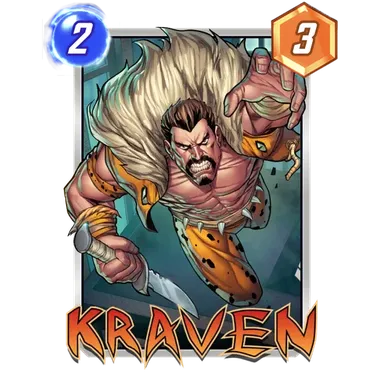
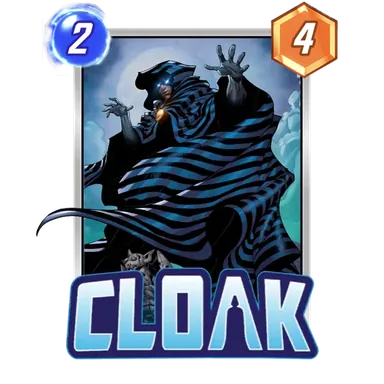
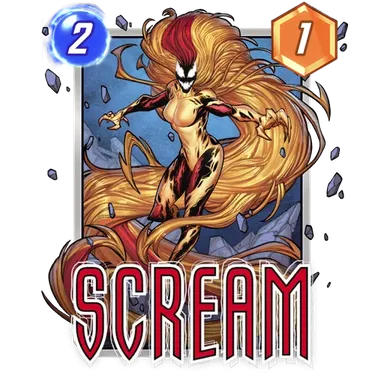
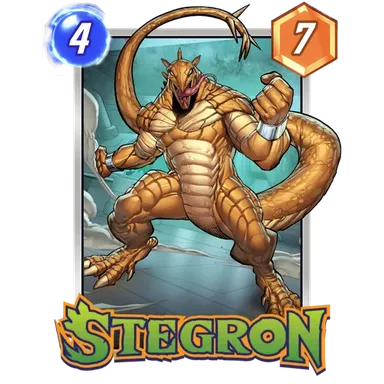
Spider-Verse is one of the more promising groups because movement already creates repeatable triggers. Cards like Silk, Spider-Man 2099-style scaling, Madame Web, Vulture, Prowler-style pieces, Kraven, Cloak, Scream, Stegron, Magneto, and Kingpin all point toward a faction that can keep generating value through movement.
That matters because Team Clash effects appear to care about the team doing its thing repeatedly. Spider-Verse can do that naturally. If cards are moving every turn, the deck can ramp or scale while still contesting lanes.
The faction also has multiple directions: smooth move scaling, control movement, or hybrid lists that use movement to manipulate both power and positioning.
Thunderbolts May Be the Risky One
Thunderbolts are conceptually cool because the underdog theme fits the group. The concern is gameplay. Effects that reward you for being behind can be awkward in MARVEL SNAP because losing lanes intentionally is dangerous if the payoff is not immediate and reliable.
A deck that wants to be behind needs precise timing. If it falls behind without a strong comeback, it just loses. If it reveals too much too early, opponents can retreat or play around the swing.
That does not mean Thunderbolts will be bad, but they may require the most careful tuning.
Existing Cards Will Decide the Best Versions
The strongest Team Clash decks probably will not be the ones that jam every shiny new card and stop thinking. They will be the lists that identify which existing cards amplify the faction effect.
For Spider-Verse, that means movement engines and payoff cards. For Avengers, it may mean efficient curve and stat support. For Thunderbolts, it may mean cards that can safely play from behind and then flip lanes at the right moment.
The team label opens the door. The supporting cast decides whether the deck is real.
Final Takeaway
Team Clash has the potential to be much more than a novelty mode. If the faction effects are strong, the synergy lists are broad, and the required cards create meaningful constraints, the mode could give MARVEL SNAP a fresh deck-building puzzle.
Spider-Verse looks immediately promising, Avengers should be reliable if built with discipline, and Thunderbolts are the group to watch carefully. The mode will come down to whether each team can turn its identity into actual cube-winning lane plans.