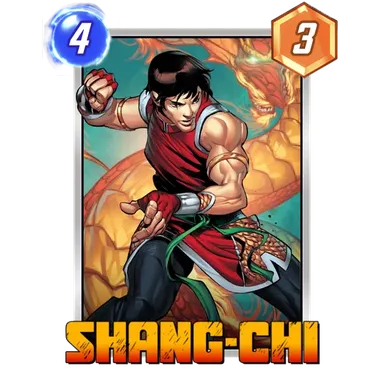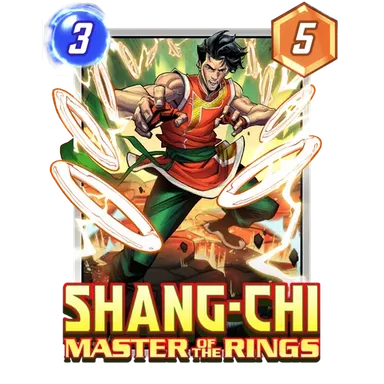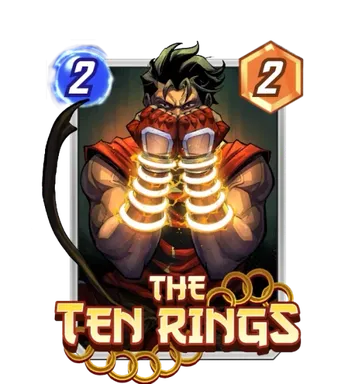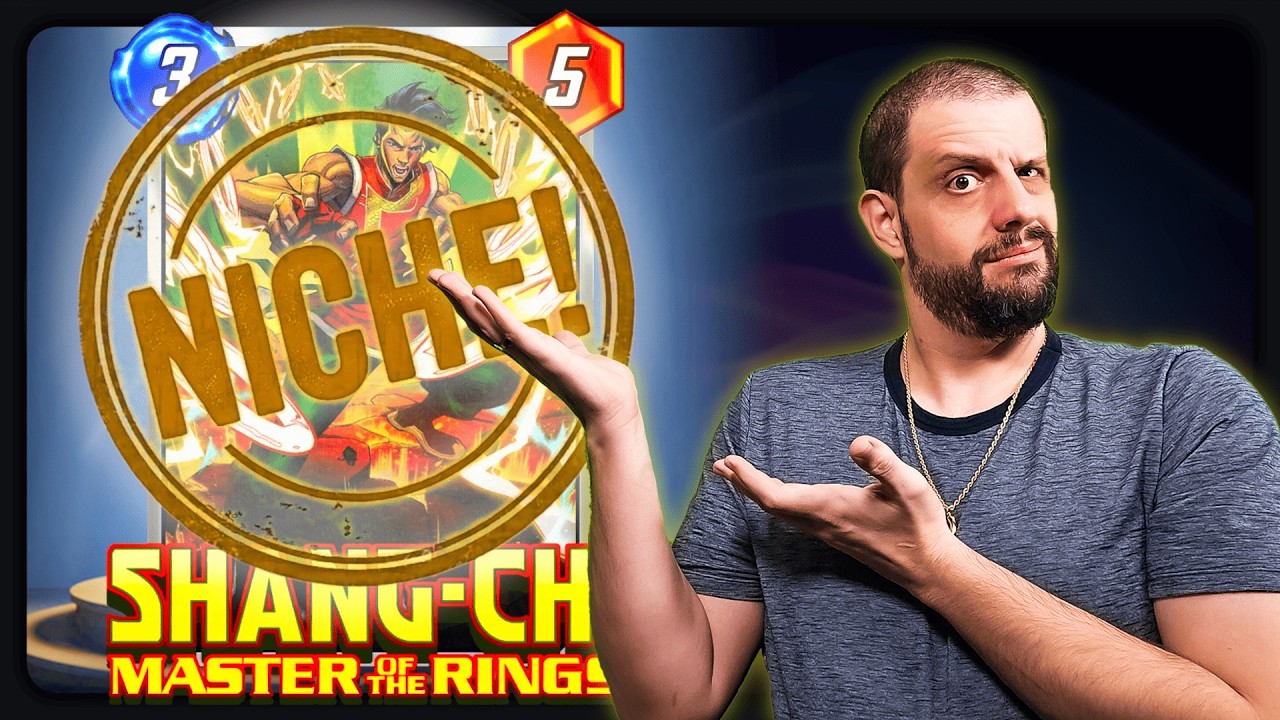
MARVEL SNAP already had Shang-Chi. Now it has Shang-Chi, Master of the Rings, and the first read is exactly as messy as expected. The card starts by giving you the Ten Rings, later asks you to draw and play Shang-Chi himself, and then turns that early little card into a scaling engine.
That is a lot of words for a card that may ultimately be judged by a simple question: is the extra setup worth the payoff?
The answer is not obvious, which is what makes the card interesting. Master of the Rings has real upside, but he also adds a 13th card problem, lowers draw consistency in some decks, and asks you to care about sequencing in a way that can be awkward. This is not Shang-Chi 2.0 because it destroys big cards. It is Shang-Chi 2.0 because it asks whether a familiar name can become a totally different kind of deck-building puzzle.
The Short Version
- Shang-Chi, Master of the Rings starts the Ten Rings in your hand.
- The Ten Rings begins as a 2/1 On Reveal that gives one of your cards there +1 power.
- After you draw and play Shang-Chi, the Ten Rings unlocks into an end-of-turn power engine.
- The card effectively adds another card to your deck, which can hurt consistency.
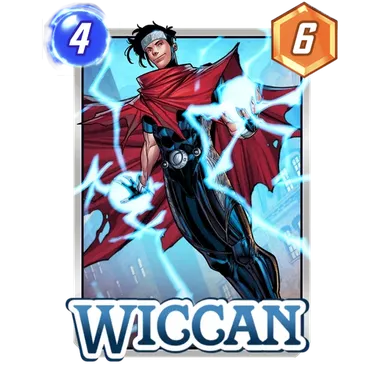
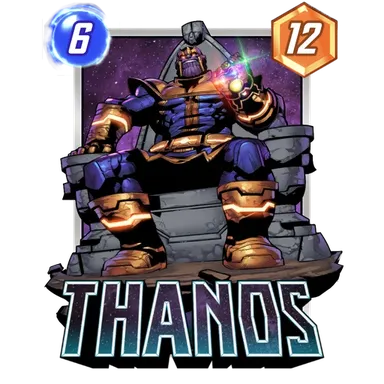
- Wiccan and Thanos are natural homes because they can use the guaranteed early card or extra draw.
- The card looks more like a synergy engine than a generic good-stats inclusion.
The Card Is Easier To Play Than It Is To Read
The awkward part of Master of the Rings is the terminology. “Unlock potential” sounds flavorful, but it makes the card harder to parse than it needs to be. In practice, the flow is cleaner: you start with the Ten Rings, then Shang-Chi goes into your deck, and if you draw and play him, the Ten Rings becomes much more powerful.
That means the first question is not whether a 3/5 body is good. A 3/5 is obviously fine. The question is whether the whole package produces enough value to justify the draw slot and deck-building cost.
The Ten Rings being guaranteed early is useful. The problem is that guaranteed does not automatically mean free.
The 13th Card Problem Is Real
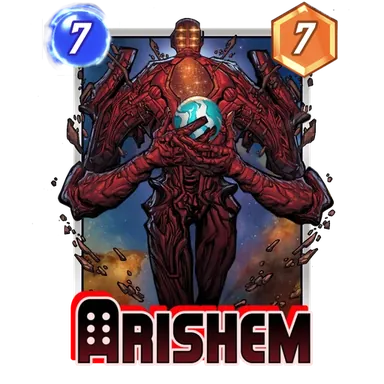
Adding an extra card changes the math. Like Thanos, Arishem, Kang-style weirdness, or any effect that changes deck size and draw texture, Master of the Rings can make your normal deck less consistent.
That matters most in decks that need specific pieces on time. If your deck already struggles when it misses a key card, adding another draw object can make the average game worse even if the best game looks flashy.
This is where players need to be honest. If the deck only feels good when you draw Shang-Chi early enough to upgrade the Ten Rings, the package might be more cute than competitive.
Wiccan Gives The Card A Clean Early Job
Wiccan is one of the more obvious homes because the Ten Rings can help create predictable early sequencing. If your deck wants a reliable two-cost play, starting with one matters. It lets you plan the curve instead of hoping the opening hand cooperates.
The catch is that Wiccan decks care deeply about structure. They do not want random clutter just because it has upside. Master of the Rings needs to help the deck hit its curve and still provide a payoff later, not simply occupy space.
If the Ten Rings smooths the early turns and the upgraded version adds enough late pressure, that is a real case. If it only creates awkward hands, Wiccan will not forgive it.
The Power Engine Wants A Full Lane
Once the Ten Rings becomes an end-of-turn effect, the dream is obvious: fill the lane and let the repeated buffs stack up. A full lane can turn modest bodies into a surprising amount of power over multiple turns.
That makes lane planning important. You do not want to strand the Ten Rings in a lane that never fills or play it somewhere that gets blocked, moved, or ignored. The card rewards decks that naturally create bodies and can decide early where the scaling lane should be.
That is why the ceiling is real. The floor is the problem.
Thanos May Be The Most Natural Experiment
Thanos makes sense because the deck already accepts extra cards, extra draw, and weird sequencing. The stones help move through the deck, which can offset the reduced chance of finding Shang-Chi in a larger list. The deck also creates plenty of small bodies that can benefit from repeated power.
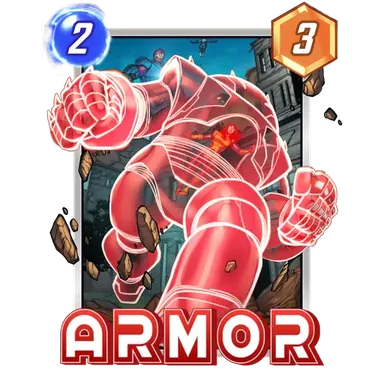
There is another practical bonus: Thanos can run real defensive and disruptive tools like Armor and Cosmo while still having a wide board. That matters in a meta full of big-card experiments and On Reveal payoffs.
If Master of the Rings has a home where the drawback is least painful, Thanos is near the top of the list.
The Verdict Depends On Average Games
The best screenshots will make Shang-Chi, Master of the Rings look ridiculous. Repeated end-of-turn buffs always do. But card reviews should not be built around the best screenshot.
The real test is the average game. How often do you draw Shang-Chi? How often does the Ten Rings sit in the right lane? How often does the 13th card damage your main plan? How often does the opponent punish the lane before the scaling matters?
Those answers decide whether this is a real card or a fun week-one puzzle.
Final Verdict
Shang-Chi, Master of the Rings is not garbage, but he is not an automatic staple either. He is a synergy engine with a meaningful consistency cost. Wiccan can use the guaranteed two-cost play, Thanos can use the extra card and draw density, and wide decks may enjoy the scaling lane.
The safe take is cautious optimism. The card has enough going on to be worth testing, but not enough obvious reliability to justify blind spending unless you love the kind of deck that turns awkward mechanics into actual cube equity.