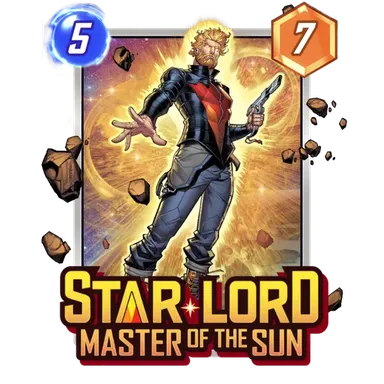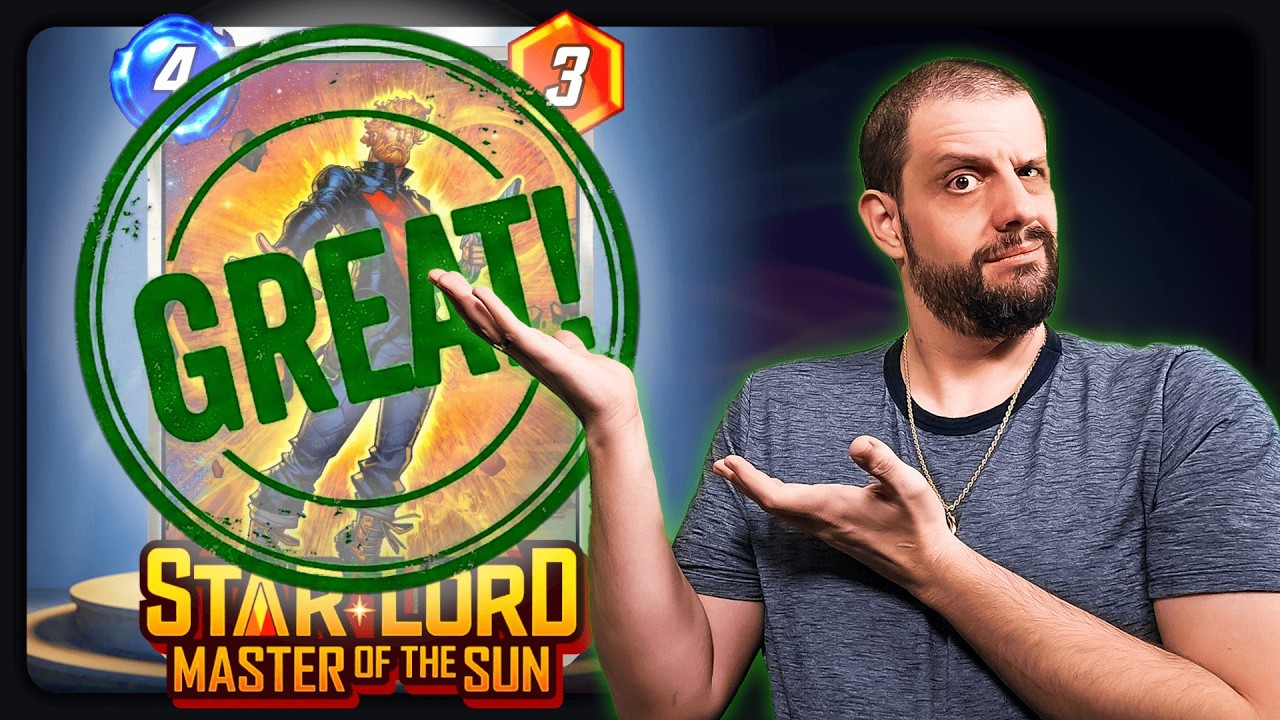
Star-Lord Master of the Sun is not a fake season pass card. After testing, the answer is pretty simple: the card is good. The harder part is understanding what kind of good.
He is not just a four-cost stat stick, and he is not a card you can blindly jam into any deck that occasionally floats energy. Star-Lord asks you to make decisions before you know whether he is coming. That is where the card gets tricky.
If he is in your opening hand, the plan is clear. You float early, build toward the payoff, and cash in. If you do not draw him, those same off-curve turns can feel like wasted opportunity unless the rest of the deck is built to benefit from them too.
The Short Version
- Star-Lord Master of the Sun is good, especially as a season pass pickup.
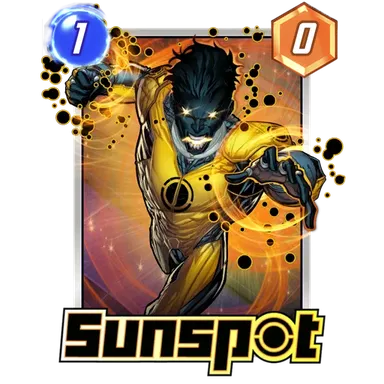
- Sunspot looks close to mandatory because it protects the games where Star-Lord does not show up.
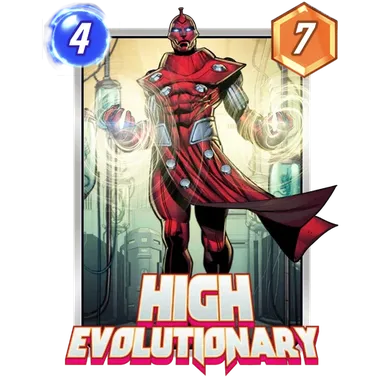
- High Evolutionary shells are a clean pre-Infinite home because they naturally reward floating energy.
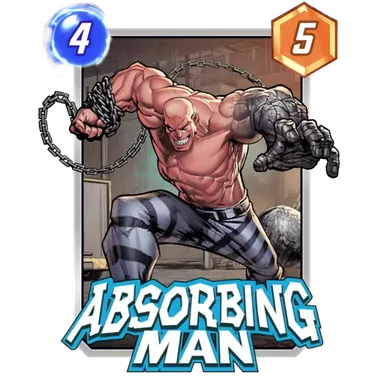
- The Grandmaster and Absorbing Man package is real, but the best shell may need more work.
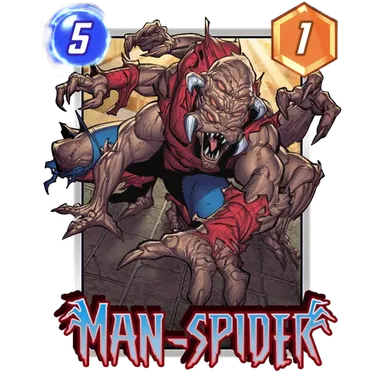
- Man-Spider/Fallen One builds looked like the strongest competitive home.
- Star-Lord decks should be careful with three-drops because they can interfere with the off-curve plan.
The Card Rewards Floating, But Punishes Blind Floating
Star-Lord’s strength comes from turning unspent energy into a future burst. That means the deck wants to play slightly off curve, especially early, so the next-turn energy spike is meaningful.
The danger is that floating energy without payoff feels miserable. If you spend the early game passing up useful tempo and never draw Star-Lord, you need another reason those choices were still productive.
That is why Sunspot matters so much. He gives the deck a safety valve. If you are floating because Star-Lord might matter later, Sunspot at least turns that restraint into immediate board value. Without that kind of catchall, the deck can feel like it is making sacrifices for a card hiding at the bottom.
The card is good, but the shell has to make the missed games acceptable.
High Evolutionary Is The Cleanest First Home
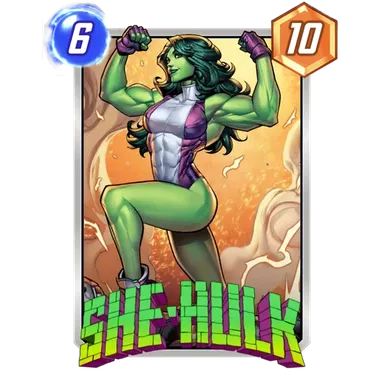
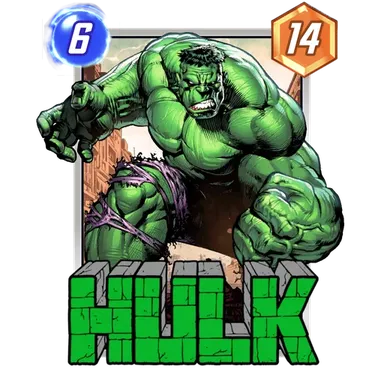
The High Evolutionary version makes intuitive sense because the deck already understands unspent energy. Sunspot, She-Hulk, Hulk, Cyclops, and Abomination-style backup lines give the list multiple ways to benefit from the same behavior Star-Lord encourages.
That is the important part. Star-Lord is not forcing the deck to become something unnatural. He is adding another payoff to a game plan that already wanted to float.
Red Guardian also stood out in this kind of shell because it contributes both disruption and relevant utility. The deck can win through several lanes of pressure: classic float payoffs, late She-Hulk or Hulk turns, and smaller affliction-style interactions that make Abomination or similar pieces more realistic.
This is probably the friendliest Star-Lord deck for climbing through the middle ranks. It is straightforward, powerful, and forgiving enough to handle games where the perfect line does not arrive.
The Grandmaster And Absorbing Man Package Is Real
The more interesting discovery is that Star-Lord with Grandmaster and Absorbing Man has real potential. Repeating the effect or extending the energy/power conversion creates strange turn-six options that can get out of hand quickly.
That package may not belong in the first obvious Sholo-style build, but the interaction is strong enough to revisit. The shell needs to be stripped down and rebuilt around what the package actually does well.
The lesson is that Star-Lord is not only a “float and play big” card. He can become part of a repeatable On Reveal package where the payoff compounds. That is a much more flexible design space than the first read suggests.
Man-Spider Looks Like The Serious Home
The best-feeling direction was the Man-Spider/Fallen One style deck. That makes sense because the archetype already wants to create oversized bodies, cheat timing, and use flexible final turns. Star-Lord adds energy without Mobius interacting with it in the same way cost reduction would.
Symbiote Spider-Man into Star-Lord is especially appealing because it creates a large body while still setting up the extra energy. The deck can also pivot through Fallen One, Taskmaster, Arnim Zola, Penny Parker, Agony, and other scaling pieces depending on the draw.
That flexibility matters. The deck does not need Star-Lord to be the only thing happening. He is another unfair line inside a deck already full of unfair lines.
That is why this shell looks much more competitive post-Infinite than the simpler High Evolutionary version.
Be Careful With Three-Drops
One of the quieter deck-building lessons is that Star-Lord decks do not want too many three-cost cards. If the plan is to float and shape a specific energy curve, a pile of tempting three-drops can create awkward turns.
The card wants decks that either benefit from skipping energy or can spend in unusual chunks after the payoff. Too many mid-curve plays make the deck feel normal, and Star-Lord is not at his best in a normal curve.
A good rule of thumb is to keep the three-drop count low unless the card is essential. If a three-drop does not support the Star-Lord plan directly, it may be creating more friction than value.
Final Verdict
Star-Lord Master of the Sun is good. The season pass is worth it if you care about competitive testing, and the card has enough power to matter right away.
The caution is that his homes are not equal. High Evolutionary is clean and effective for pre-Infinite climbing. Grandmaster and Absorbing Man have real combo potential but need refinement. Man-Spider/Fallen One looks like the strongest serious shell because it gives Star-Lord multiple ways to become unfair without making him carry the entire deck.
Build for the missed draws, respect the off-curve decisions, and do not overload the middle of the curve. If you do that, Star-Lord is not garbage. He is very real.