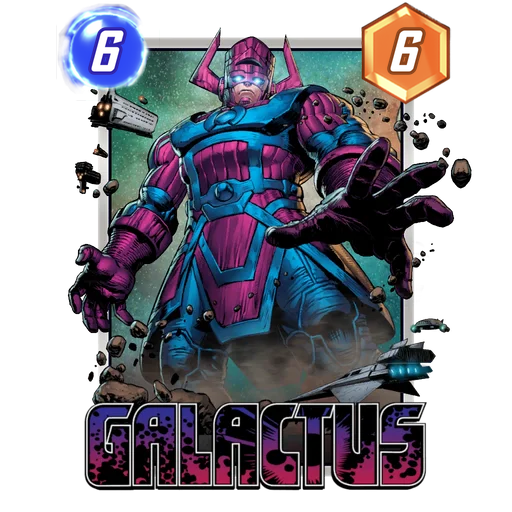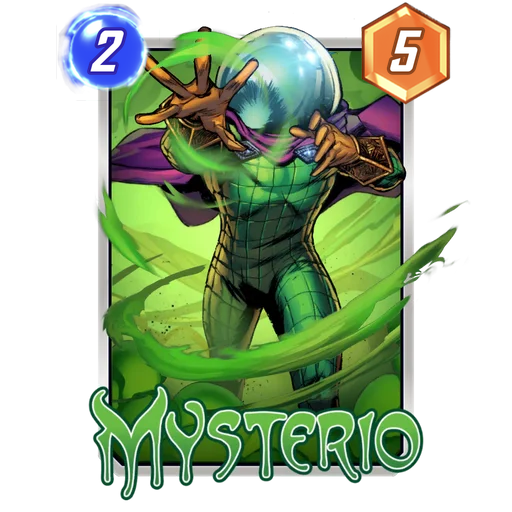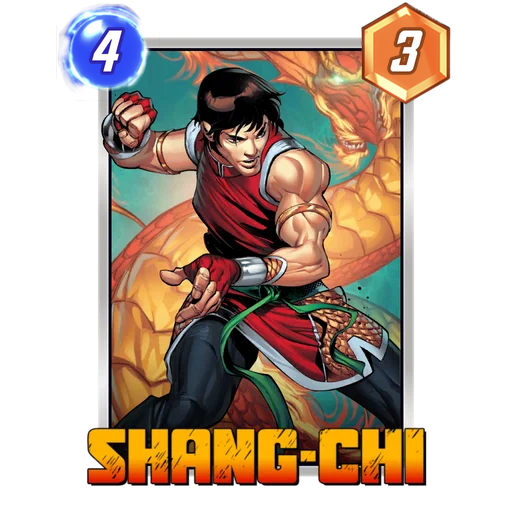
I Was SO Ready for Beach Bash | The Best of Guest #2 | Marvel Snap needs to stand on its own as a MARVEL SNAP strategy article. The reader should leave with a clearer decision about Galactus, Scream, Mysterio, and Shang-Chi, not just a summary of the source video.
Quick Read
- Use Galactus, Scream, and Mysterio as the decision point.
- Apply the advice only if it matches your collection, ladder pocket, and risk tolerance.
- The article should make the next queue, spend, or test clearer.
The Practical Player Takeaway
The article should turn I Was SO Ready for Beach Bash | The Best of Guest #2 | Marvel Snap into a player decision. Galactus, Scream, Mysterio, and Shang-Chi matters only if it changes what a reader should test, buy, queue, or avoid. That matters most in normal games: sequencing, priority, matchup pressure, and the cost of being wrong decide whether the idea holds up.
The practical layer around Scream, Mysterio, Shang-Chi, and Storm is sequencing, matchup pressure, and player decision-making. That is the difference between content that sounds informed and content that helps a player make a better MARVEL SNAP decision.
The reader's next step should be small and observable: try the idea, track the repeated failure point, and compare the result to the claim. The key card context is Galactus, Scream, Mysterio, and Shang-Chi. The article should use those names only where they belong, because a wrong card label can change the deck, tags, and search intent.
Why This Matters In Actual Games
MARVEL SNAP strategy is conditional. The right answer changes with collection size, ladder pocket, matchup spread, and how comfortable the player is with retreating early. That matters most in normal games: sequencing, priority, matchup pressure, and the cost of being wrong decide whether the idea holds up.
The practical layer around Mysterio, Shang-Chi, and Storm is sequencing, matchup pressure, and player decision-making. That is the difference between content that sounds informed and content that helps a player make a better MARVEL SNAP decision.
If the advice changes a snap, retreat, purchase, or deck choice, it has practical value.
The Risk Hidden Inside The Topic
The useful way to read the video is as a framework. Look for the repeatable idea underneath the examples, then compare it to the games you are actually seeing. That matters most in normal games: sequencing, priority, matchup pressure, and the cost of being wrong decide whether the idea holds up.
The practical layer around Shang-Chi and Storm is sequencing, matchup pressure, and player decision-making. That is the difference between content that sounds informed and content that helps a player make a better MARVEL SNAP decision.
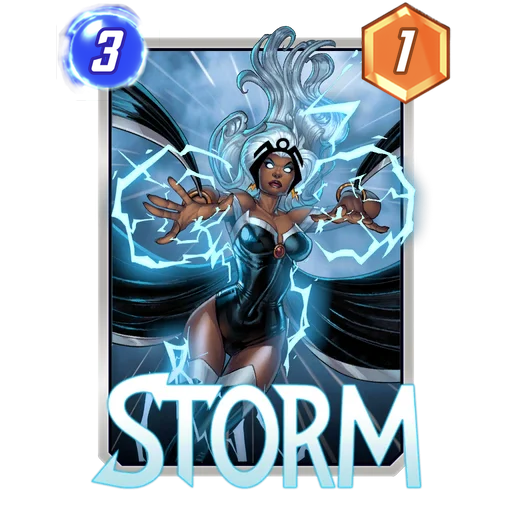
If it cannot change behavior, it belongs lower on the priority list no matter how interesting it sounds. The surrounding context is Storm. That context belongs in the article only as matchup texture, not as invented deck advice.
How To Use The Information
A strong guide names the failure case. If the advice only works from ahead, it is less useful than advice that survives imperfect draws and contested lanes.
The practical layer around Storm is sequencing, matchup pressure, and player decision-making. That is the difference between content that sounds informed and content that helps a player make a better MARVEL SNAP decision.
The reader's next step should be small and observable: try the idea, track the repeated failure point, and compare the result to the claim.
The Final Decision Point
The final test is behavioral: if the article changes the next decision in queue, it did its job.
The practical layer around Galactus, Scream, Mysterio, and Shang-Chi is sequencing, matchup pressure, and player decision-making. That is the difference between content that sounds informed and content that helps a player make a better MARVEL SNAP decision.
If the advice changes a snap, retreat, purchase, or deck choice, it has practical value.
Final Verdict
The strongest article outcome is a clearer next decision. If the topic changes what you test, buy, queue, or avoid, it belongs in your MARVEL SNAP plan.