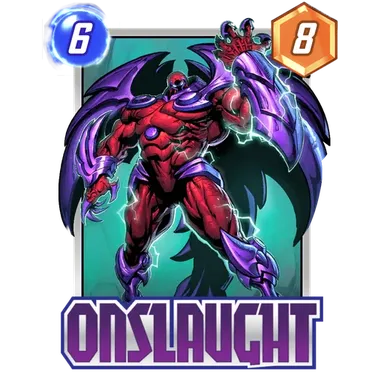
Red Onslaught was the September card I had the most fun with, and the one that gave me my best results out of that first group. Superior Iron Man had interesting things going on, but I had a much harder time defending the timing of his release. Antipolar Magneto still needed a home that made the awkward parts worthwhile.
That was where I landed in Marvel Snapcast Episode 155, published September 4, 2026. NotMyDance joined me while KMBest was away. These are our early card impressions and the changes we wanted at the time, with the disagreements left in.

Red Onslaught felt like it was doing something
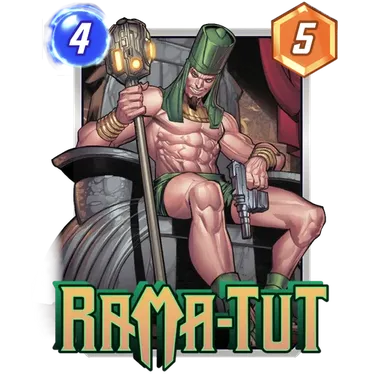
I don't particularly enjoy Rama-Tut's kind of randomness. Too often, it felt like nothing happened, something went wrong, or a good result arrived without much I could take credit for. Red Onslaught felt more useful to me. Even when the roll was awkward, there was something on the board to work with.
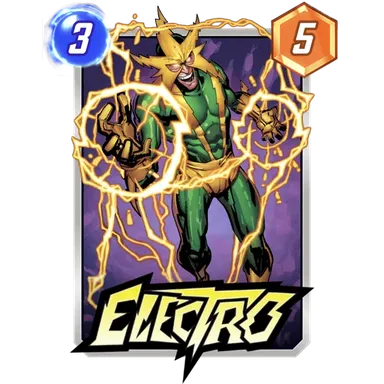
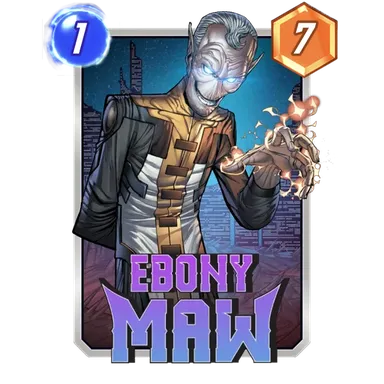
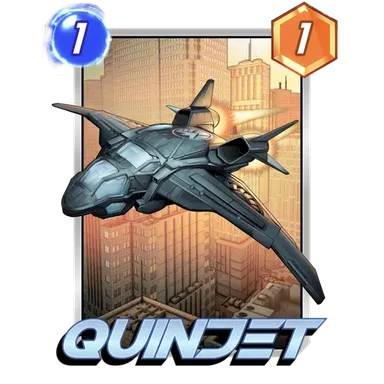
That didn't mean every result was good. NotMyDance brought up a game where he got Electro, Ebony Maw, and Quinjet. The surrounding Doom 2099 setup still gave him a way to win. The Doom 2099 comparison in the episode also favored Red Onslaught over Antipolar Magneto.
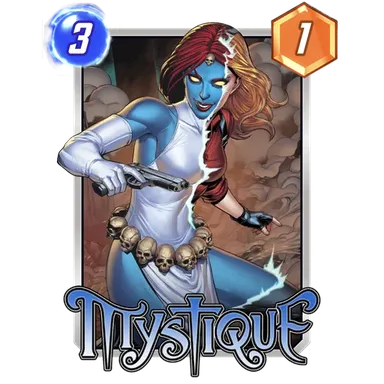
The copy interactions were a big part of why we enjoyed the card. In the behavior we discussed, Onslaught amplified the abilities Red Onslaught already had. Mystique rolled a new set because she copied the text that generated the abilities. That new roll could still happen to include the same abilities; different results weren't guaranteed.
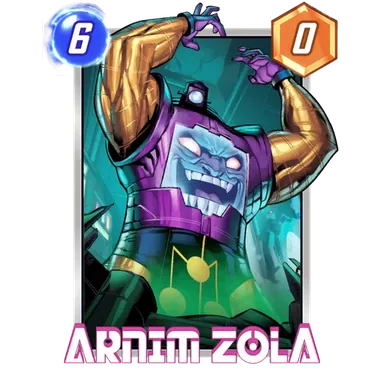
NotMyDance distinguished that from copying the whole card with Arnim Zola or Sinister London, where the copy kept the rolled abilities. Those details gave the deckbuilding a shape beyond putting random effects into an Ongoing deck and hoping.
We also talked about the possible ability pool, but we didn't confirm a full list or its weighting. I wasn't going to pretend I had an answer I didn't have. My positive verdict came from the games and interactions we were discussing, rather than a claim that every possible roll had been solved.
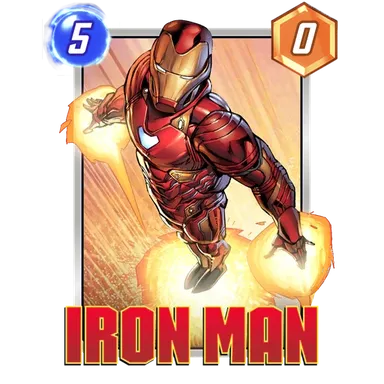
Superior Iron Man's timing bothered me more than his potential
My issue with Superior Iron Man was the audience arriving at that moment. Draft had brought new and returning players into the conversation, and the Season Pass was presenting them with a card that asked for a lot of supporting pieces and some unintuitive rules.
I liked having another Iron Man. I would have liked a more flexible card for that particular release window. The appeal of the character was obvious; understanding how to get the card working was a different matter.
The cost discussion showed the problem. NotMyDance described being surprised when Wave left Superior Iron Man at three cost, and Hydro-Man made him free. We spent time on how the reduction applied and why the outcome wasn't what someone might initially expect. The later Iceman example made the starting cost relevant too.
Those were the interactions discussed in the September 4 episode. They led to a straightforward criticism: the game needed to communicate what was happening more clearly. We weren't proposing that the mechanic had to be removed just because the explanation took work.
Power in hand gave us another disagreement. NotMyDance wanted a clearer display of the buffs the card had already received. I pointed to the other conditions that could change its Power once it reached a location, and didn't see that display change as the biggest priority for the card. He wasn't asking the hand to predict every future board state; he wanted the known part to be easier to read.
I liked Superior Iron Man more as part of Splat Surfer
If all I wanted was a big card in one lane, I preferred Black Panther. That was the comparison I kept coming back to. Superior Iron Man needed to justify something beyond reaching a large number in the same kind of setup.
Splat Surfer was where I found that extra reason. The cost reduction helped him fit, and sharing the Ongoing ability with cards already receiving buffs gave me more ways to use the effect. Prodigy, Chameleon, and Captain Carter were part of the discussion because the rest of the deck already wanted to do those things.
NotMyDance challenged how much credit Superior Iron Man deserved when the shell could already use other strong cards. That was a fair argument to have. We were trying to work out which job he improved, and whether the extra work paid off across the board.
The Jubilee and Doctor Octopus: Fractured Frontier discussion eventually came back to the other lane. You could describe a big final-turn payoff in one location and still owe an answer about how the rest of the turn won the game. We didn't finish that exchange with a solved twelve-card list.
The earlier Superior Iron Man, Red Onslaught, and Antipolar Magneto review covers my September 2 starting point before this longer discussion.
Antipolar Magneto made sense in some shells and fought others
Doom 2099 was an obvious place to investigate Antipolar Magneto. It wanted useful three- and four-cost cards, and a single large final-turn play could fit what the deck was already doing. Affliction was another direction we liked because several of its useful pieces sat in that range.
The Ongoing experiment was less convincing for me. That kind of deck could care a lot about which card landed in which location, and the setup could become too obvious. I reached the point where I would rather play the Red Onslaught Ongoing deck without trying to make Antipolar Magneto part of it.
We also discussed a sequencing problem. NotMyDance reported pulling Red Onslaught with Antipolar Magneto, rolling Stardust, and then not getting the other pull. The first card resolving could affect what happened afterward. It was his testing anecdote, and a good example of why we couldn't treat every card that pulled things onto the board as interchangeable.
At that point, I thought Antipolar Magneto was heading toward a more specific build-around role. We hadn't found a final answer in the episode. Out of the three new cards, he was the one I'd enjoyed playing the least.
The old-card argument was about what players get to keep
We spent part of the show arguing about familiar archetypes and early-Series cards. NotMyDance wanted more of those old cards to keep having a place as a collection grew. Losing the chance to play the familiar thing was part of his frustration.
My response was that the concepts could survive even when the exact pieces changed. Learning locations, sequencing, and how cards worked together still carried forward. I didn't think every early card had to stay at the same competitive level forever for that learning to have value.
That didn't mean there was no room to revisit older designs. We discussed High Evolutionary doing something for the Guardians as an idea, not an announced feature. The disagreement was over how much the game should preserve the same cards and how much it should help players carry what they'd learned into different decks.
Our OTA wish list was a wish list
Aero at five cost and ten Power was one of my simpler requests. I thought the surrounding game had changed enough to try it. NotMyDance also wanted to address her wording around cards and characters, because of how Skills could interfere with the expected result. Those were proposed changes, not patch notes.
We agreed that Black Knight could use three Power at one cost. The conversation then moved to Ebony Blade and whether its design needed more than restoring an old protection effect. Agent Venom came up too, with concern about how stronger Ongoing and buff payoffs could affect a return to older numbers.
I wanted Aunt May to work from moving a card that turn, rather than specifically asking you to spend a Movable ability. The timing bothered us: the design could ask you to use movement before you wanted to, then reward a card still waiting in hand. NotMyDance was even less interested in defending the design. Spider-Sense and Rescue also stayed on the list of cards we wanted revisited.
Scorpion: Brand New Day ended the balance debate. I wanted to make the explosive combo harder to reach by raising the cost, and suggested seven cost with ten Power. NotMyDance preferred changing the doubling behavior to repeat the reductions instead. We disagreed about the fix. My frustration with playing against the combo was real; it didn't make our wish list an announcement.
Watch the full September 4 episode for the complete card arguments. The site's OTA analysis archive separates published balance coverage from these episode proposals.