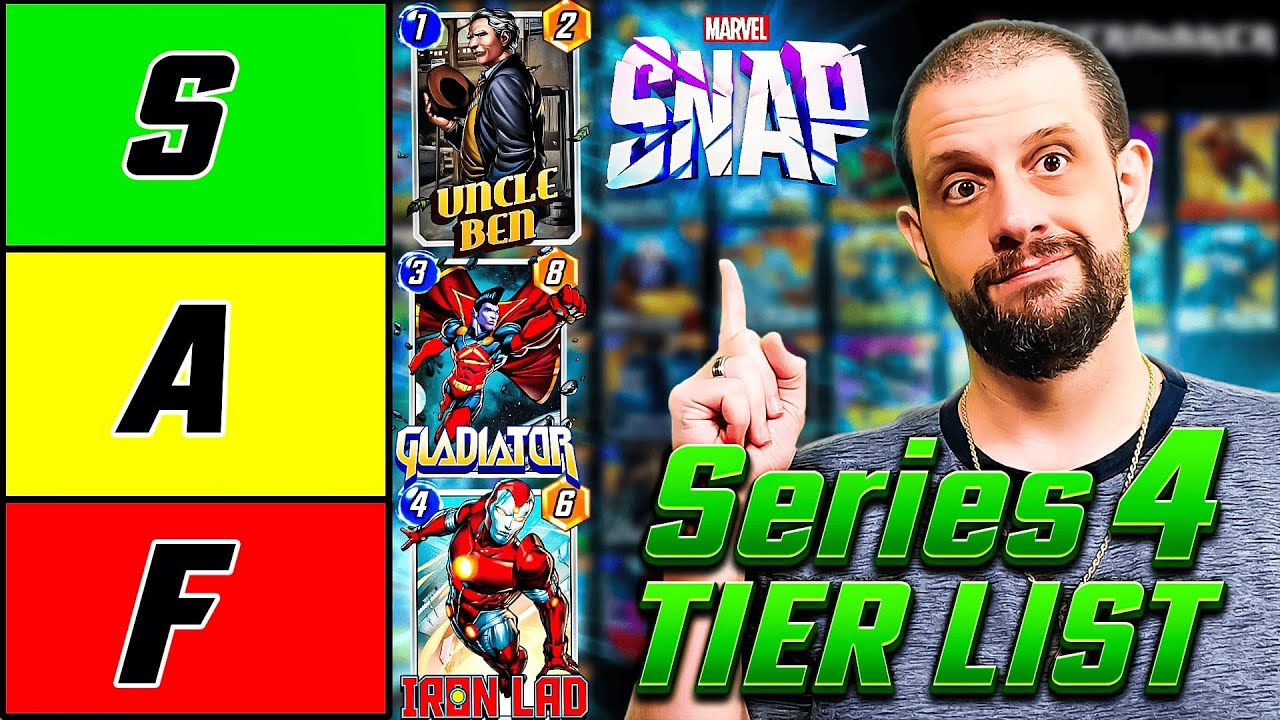
Series 4 cards occupy a strange place in MARVEL SNAP. They are cheaper than Series 5, but they are not free, and Spotlight keys usually should not be spent chasing them. Guest’s token advice is built around that economy: if you are spending 3,000 collector tokens, the card needs to do something meaningful for your account.
This is not about whether a card can win games in the perfect shell. It is about whether it is one of the better investments available at that price.
The Short Version
- Collector tokens are usually a better path to Series 4 than Spotlight keys.
- The best Series 4 cards either define decks or fill important flexible roles.
- Ghost-Spider is close to mandatory if you care about move.
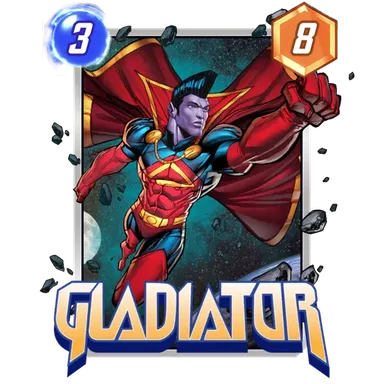
- Gladiator is strong because his stats and Surfer synergy give him real purpose.
- Low-impact cards should be picked up passively, not targeted.
Do Not Waste Spotlight Keys On Most Series 4 Cards
Guest’s first major point is economic. Spotlight keys are too valuable to throw at most Series 4 targets. If a card costs 3,000 tokens, it is often more sensible to wait, plan, and buy it directly than to burn keys on a week that does not offer enough total value.
That does not mean Series 4 cards are unimportant. It means the acquisition path matters. A good card can still be a bad Spotlight chase if the rest of the week is weak.
For players trying to manage limited resources, that distinction is huge.
A-Tier Cards Should Have A Clear Job
The strongest Series 4 investments are the cards that have a clear, repeatable purpose. They either unlock a strategy, serve as a core support piece, or fit into enough decks that the token cost feels justified.
Ghost-Spider is the cleanest example for move players. If you care about move as an archetype, she is not just a cute option. She is one of the cards that makes the deck function more smoothly. For players who do not play move, though, that urgency disappears.
That is the recurring lesson: value depends on both power and personal deck interest.
Gladiator Shows Why Stats Still Matter
Gladiator earns praise because the card’s body is simply efficient. At 3/8, he brings enough raw power to matter, and in Surfer shells he can become even more attractive. The downside is real, but Guest frames the odds as favorable enough that the card often pays you back.
This is what makes a Series 4 card easier to recommend: it does not need a magical combo to be relevant. It has stats, a role, and a deck where the upside is natural.
Cards like that tend to age better than cards that need three other pieces to look playable.
B-Tier Is Full Of Good But Replaceable Cards
A lot of Series 4 cards fall into the “good, but not urgent” range. Hit-Monkey can still create big turns, but newer options like Sage can crowd his role. Jean Grey can be interesting. Darkhawk has had moments where he mattered a lot, especially when larger deck strategies were popular, but he also competes with other answers.
These cards are not bad purchases if they match what you play. They are bad purchases if you are expecting them to transform your entire collection.
A B-tier token buy should come with a plan. If you cannot name the deck it goes into, wait.
Some Cards Are Better Found By Accident
Guest’s lower tiers are important because they protect players from spending just because a card is available. Some Series 4 cards are fine to own eventually, but not worth targeting. If they appear randomly or come through a favorable week, great. If not, your account is not suffering.
That mindset is especially useful for newer or mid-collection players. Tokens should go toward cards that immediately expand your options or improve decks you already use.
Owning everything is not the goal. Spending well is.
Final Verdict
The best 3,000-token Series 4 cards are the ones with a job: move enablers for move players, strong stat pieces for proven shells, and flexible cards that keep showing up across metas. Everything else should be judged with patience.
Guest’s advice is practical: do not let the lower price trick you into impulse buying. Series 4 is cheaper, not cheap.