MARVEL SNAP’s current economy gives players two major levers for collection growth: Snap Packs and tokens. One feels exciting because it opens cards and bonus rewards immediately. The other feels safer because it lets you target exactly what you want.
The mistake is treating them as direct replacements. Snap Packs and tokens are not the same tool. Packs are best when you want breadth from a good pool. Tokens are best when you need precision. If you use the wrong one for your collection stage, you can spend a lot and still feel stuck.
The goal is not to pick a side forever. The goal is to know which problem you are solving.
The Short Version
- Snap Packs replaced the old Spotlight-style thinking and operate under different rules.
- Each Snap Pack guarantees an unowned card from its pool plus bonus rewards.
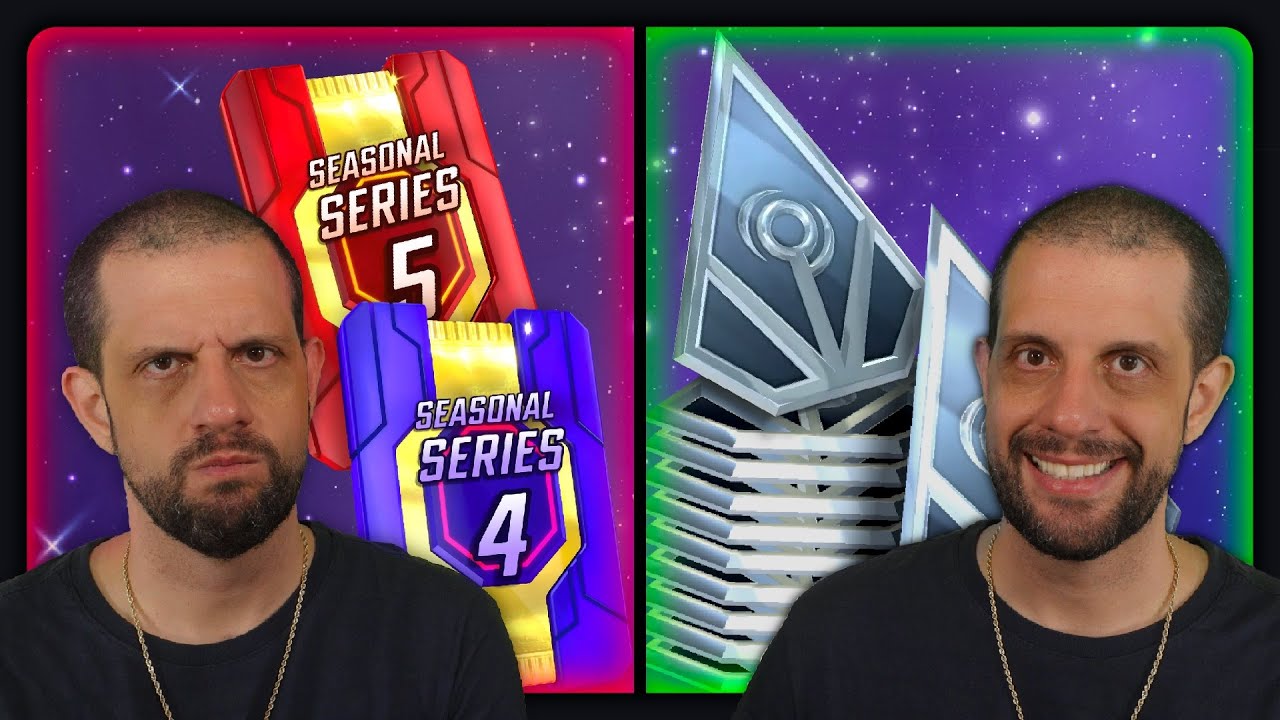
- Seasonal packs focus on recent Series 5 cards, while collector packs cover broader pools.
- Tokens are slower but give direct control over a specific target.
- New, mid-game, and near-complete accounts should value packs differently.
- The best economy plan uses packs for breadth and tokens for precision.
Snap Packs Are Not Old Spotlights
The first thing to fix is language. Snap Packs are not just Spotlight Caches with a new name. They do not use keys, and they do not follow the old mental model players built around spotlight weeks.
Snap Packs live in the card shop, use tokens as the underlying resource pressure, and guarantee an unowned card from the relevant pool. No duplicates is a major shift. On top of that card, packs include bonus rewards like tokens, credits, boosters, cosmetics, and sometimes extra cards.
That makes every pack at least one new card plus additional value. But “new card” and “card you actually needed” are not always the same thing.
Seasonal Packs Are About Recent Cards
Seasonal Snap Packs are built around current and recent Series 5 releases. Their pool updates as new seasons arrive, which makes them appealing when you are missing multiple fresh cards and want to catch up.
That can be excellent for players who skipped a season, returned after a break, or want several cards from the current pool. The more desirable hits in the pool, the better the pack becomes.
The danger is opening because one card looks amazing while the rest of the pool does nothing for you. That is how a guaranteed unowned card still turns into disappointment.
Collector Packs Are About Collection Shape
Collector packs work differently because they are less about the newest chase card and more about filling broader collection gaps. That can be stronger for accounts that still need many foundational pieces.
For early and mid-game players, this kind of breadth matters. More cards means more decks, more substitutions, more weekend mission flexibility, and more room to learn archetypes without needing every premium option.
For near-complete players, the value drops unless the remaining pool is unusually good. The fewer cards you need, the more random acquisition loses appeal.
Tokens Are The Precision Tool
Tokens are slower, less flashy, and often psychologically harder to save. That is exactly why they are valuable. They are the resource that lets you say, “I want this specific card because it changes my account.”
A good token buy should be tied to a real plan. Maybe it unlocks an archetype. Maybe it completes a deck you already play. Maybe it solves a meta problem. Maybe it is a long-term staple you know you will use.
If the reason is only “new card looks fun,” tokens are probably doing too much work for too little certainty.
Early Accounts Usually Need Breadth
Newer players benefit most from increasing playable options. If you are missing a large number of relevant cards, Snap Packs can give you momentum because almost every unowned card has a higher chance of mattering.
That does not mean open everything blindly. It means packs deserve serious consideration when the pool overlaps with decks you want to build.
At this stage, tokens should usually be saved for cards that unlock multiple directions, not narrow luxury upgrades.
Mid-Game Accounts Need Balance
Mid-game is the hardest stage because both tools look good. You have enough cards to know what you enjoy, but still enough gaps that packs can be tempting.
This is where planning matters most. If a pack pool has three or four cards you want, it may be better than saving for one target. If the pool is weak and one card completes your favorite deck, tokens are cleaner.
Mid-game players should not ask “packs or tokens?” They should ask “which option gives me more playable decks over the next month?”
Near-Complete Accounts Should Be Ruthless
The closer you are to complete, the more tokens matter. Random guaranteed acquisition loses value when most of the possible outcomes are cards you skipped on purpose.
Near-complete players should be much more willing to save, target, and ignore packs unless the pool is unusually stacked. The excitement of opening is not worth much if the result sits unused.
Precision wins when breadth no longer helps.
Final Takeaway
Snap Packs and tokens are both good, but they are good at different jobs. Packs create breadth when the pool is favorable. Tokens create control when one specific card matters more than the range of possible hits.
If you are early collection, lean toward useful breadth. If you are mid-game, compare the whole pack pool against your best token target. If you are near complete, be patient and precise. The shocking truth is not that one system is always better. It is that the right answer changes with your account.