MARVEL SNAP changes constantly. New cards arrive, balance updates shake old decks, and the community spends a week yelling about whatever just became popular. Underneath all of that, the same fundamentals keep deciding games.
The players who climb consistently are not only chasing the best list. They understand the rules that survive every meta: priority, retreats, snaps, curve, locations, tech, lane pressure, outs, resources, and cube rate.
Those are the habits that still matter after the next patch.
The Short Version
- Priority often matters more than raw power.
- Retreating early protects more cubes than heroic staying ever wins back.
- Snap when your engine is online, not after the opponent already knows it.
- A clean curve makes decks more reliable.
- Locations are part of the game plan, not just RNG to complain about.
- Tech cards win games that greedy net decks cannot.
- Cube rate is the real ladder scoreboard.
Priority Beats Power More Often Than Players Think
Power is easy to see. Priority is easier to ignore. That is why it costs so many games.
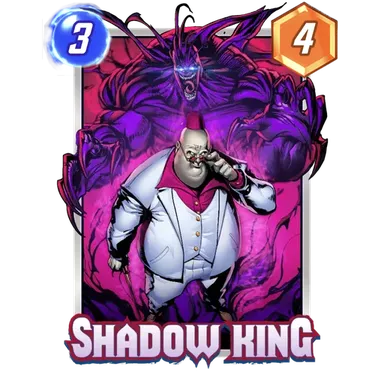
If your big cards reveal first, they can be exposed to Shang-Chi, Shadow King, or other counters. If your interaction reveals second, you may get to punish the opponent’s final move instead. Some decks desperately want priority. Others want to lose it until the last possible moment.
The right question is not only “am I winning this lane?” It is “do I want to reveal first next turn?”
Retreat Early And Stop Feeding Ego
Most players know when a game is going badly. They stay anyway because one miracle line technically exists, or because losing one cube feels annoying.
That is how one-cube losses become four-cube losses, and four-cube losses become eight-cube disasters.
Strong players retreat without shame. They understand that protecting cubes is part of winning. Losing one cube ten times is still better than losing eight cubes twice.
Snap When You Actually Have It
A turn-six snap often tells the opponent exactly what they need to know: leave. Earlier snaps apply real pressure because they ask the opponent to decide before the whole story is visible.
That does not mean snap randomly. It means when your deck’s engine is online, your hand is strong, and the board supports your plan, push the pot while the opponent still has uncertainty.
If you wait until the final reveal is obvious, you are not applying pressure. You are announcing that the opponent should save cubes.
Curve Is Still King
A deck does not need to spend all its energy every turn, but it does need a plan for how its energy gets used. Floating can be correct with Sunspot-style payoffs or specific setup turns. Floating because the hand is clunky is different.
Clean curves create consistent decisions. Clunky decks force you to hope the opponent also stumbles.
The best lists usually have a primary plan that uses energy well and a backup plan for awkward draws. That is not glamorous, but it wins seasons.
Locations Are The Thirteenth Card
Locations are not an excuse. They are part of the match.
Central Park changes board space. Fisk Tower changes movement decisions. Locked or restrictive locations change where pressure should go. The player who adapts faster often wins before the final turn.
Complaining about location RNG is easy. Using locations better than the opponent is a skill.
Tech Slots Beat Blind Copying
Net decks are useful starting points, not sacred texts. If everyone copies the same greedy list, the player with the right tech card often gets paid.
Enchantress, Cosmo, Shang-Chi, Killmonger, Shadow King, Rogue, and similar cards exist because the opponent is trying to do something powerful. A good tech slot turns their confidence into your cubes.
The trick is not jamming every counter. It is knowing what your deck loses to and choosing the tool that covers the most relevant weakness.
Count Outs While Managing Resources
Newer players love locking a lane early because it feels safe. The problem is that MARVEL SNAP rewards flexibility. If you overcommit too soon, your opponent gets to decide where the real game happens. Spread pressure, keep options open, and make the opponent guess which lanes will matter on turn six.
Before you stay, ask what beats you. Surfer? Shang-Chi? Mystique? Shadow King? A location swing? If the answer is obvious and devastating, respect it.
Also treat every card, energy point, power number, and ability as a resource. Playing a card on curve is not automatically correct. Holding it can protect priority, preserve surprise, or improve the final turn. Good MARVEL SNAP is not just playing your hand. It is playing around theirs.
Final Takeaway
The meta will keep changing. These fundamentals will not.
Understand priority. Retreat cleanly. Snap with real advantage. Build clean curves. Respect locations. Run meaningful tech. Pressure multiple lanes. Count outs. Manage resources. Track cubes instead of worshiping win rate.
Do that, and every new card becomes easier to judge because your foundation is already stable.