Collector’s Tokens feel painfully slow when you are new to MARVEL SNAP. That makes every purchase feel urgent, which is exactly how players end up buying popular cards they do not actually need.
The fix is the three-card rule. At any point, your collection plan should revolve around three targets: a foundation card, a flex card, and a personal pick. That structure keeps you focused without turning the game into homework.
The Short Version
- You do not need every Series 4 or Series 5 card to progress.
- Pick one foundation card that unlocks the deck or archetype you want.
- Pick one flex card that improves or tunes that plan across multiple decks.
- Keep one personal pick so the game still feels fun.
- Only open or spend when the available cards match the plan.
- After buying a card, test it deeply before chasing the next thing.
The Foundation Card Opens The Door
The foundation card is the engine. It is the card the deck cannot really function without.
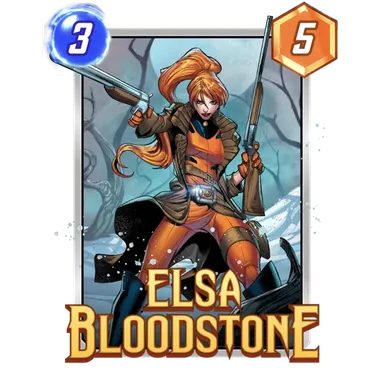
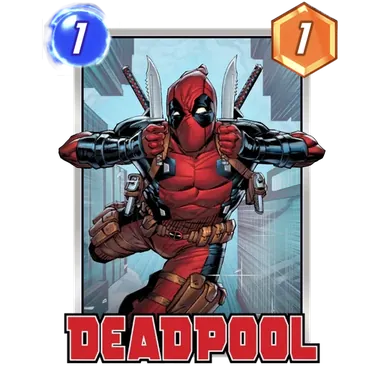
For some players, that might be Loki. For others, it might be Elsa Bloodstone, Patriot, Sarah, Cerebro, Deadpool, Venom, or another archetype anchor. The specific name matters less than the role. If the card unlocks an entire style of play, it deserves priority.
This is where new players should be most disciplined. A foundation card should not be “popular this week.” It should be the reason a deck becomes playable for your account.
The Flex Card Makes The Deck Yours
The flex card is the support piece that lets the deck adapt. It might be Mobius, Cosmo, a recent Series 4 card, a tech card you are missing, or a role-player that appears in several strong lists.
The test is simple: does this card show up in multiple decks you want to play? If yes, it is probably safer than a narrow card that only works in one fragile shell.
Flex cards are how a collection starts feeling functional. They turn one deck into several versions of a deck.
The Personal Pick Keeps The Game Fun
MARVEL SNAP is still a game. The third slot should be something you personally want to play.
That does not mean throwing tokens into a card you will use once and regret. The best personal picks are fun and flexible: cards like Jeff, Ghost-Spider, or other pieces that make you excited to build while still having real homes.
This slot matters because hyper-efficient collection planning can become exhausting. If there is no room for fun, burnout wins.
Spend Only When The Rotation Matches The Plan
New releases always look tempting. That is the trap.
If a Snap Pack or token option does not line up with at least part of your three-card plan, waiting is usually correct. Stacking resources feels boring in the moment, but it saves weeks of regret.
Spending 6,000 tokens on one flashy card that unlocks one deck is very different from saving for a foundation card and a flex card that open several decks. The second option usually does more for your account.
Buying The Card Is Only Step One
Once you finally get the card, do not immediately chase another purchase. Test the card.
Build every reasonable version you can. If you buy Sarah, try Sarah Control, Sarah Miracle, Hit-Monkey shells, Surfer variants, and anything else that teaches you what kind of tempo you actually enjoy. If one version clicks, your next target becomes clearer.
That is the difference between collecting cards and building a collection. One is random accumulation. The other is a ladder plan.
Final Takeaway
The three-card rule is simple: one foundation card, one flex card, one personal pick.
That tiny structure can save months of wasted tokens. It helps you climb with purpose, spend with patience, and keep enough fun in the process that MARVEL SNAP does not become a spreadsheet with animations.