Series 3 is one of the most important stages of MARVEL SNAP progression because it is where collections start becoming real. Newer players get access to a free Series 3 card each season, and that choice can shape what decks become available next.
Guest’s ranking is valuable because it does not treat every Series 3 card like a generic collection checkbox. Some cards are flexible staples. Some unlock archetypes. Some are powerful only with the right support. And some are fun, but not where a developing account should spend priority.
The Short Version
- Your free Series 3 card should either unlock a deck or improve many decks.
- Flexible cards like Doctor Doom remain premium because they fit so many plans.
- Combo pieces such as Wong and Mystique are powerful but support-dependent.
- Cards like Venom matter more if you already want their archetype.
- Do not chase outdated stats; judge the current role and play pattern.
Series 3 Choices Matter Most For Developing Collections
For players still moving through early collection levels, the free Series 3 card is a big deal. You are not just adding one card. You may be opening an entire archetype or making several existing decks more competitive.
That is why Guest’s list focuses on practical value. A flashy card that only works in one incomplete deck might not be as useful as a flexible card you can play immediately.
The best Series 3 picks give your account direction. They either make a deck real or improve enough lists that you feel the impact right away.
Doctor Doom Is Still The Model Of Flexible Value
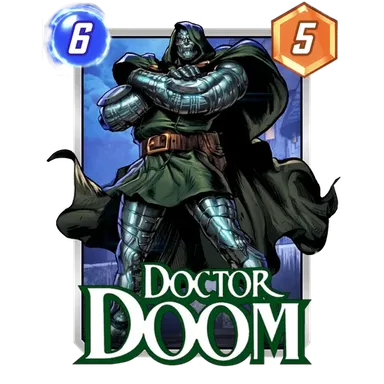
Doctor Doom gets highlighted as one of the best cards because he does something almost every deck can understand: he spreads power. Fifteen total power across multiple lanes, including hard-to-reach locations, remains valuable even as metas change.
That kind of flexibility is perfect for Series 3. Doom does not ask you to own a dozen specific support cards. He gives control, reach, and final-turn pressure in one slot.
For newer players, cards like that are gold because they reduce the number of games where your deck simply cannot contest the board.
Combo Cards Are Strong But Not Always Universal
Wong, Mystique, Cerebro, and similar cards are harder to rank because their ceiling is enormous but their value depends heavily on support. Wong can make or break entire combos. Mystique can be mandatory in some Ongoing or Cerebro shells and completely cuttable elsewhere.
That does not make them bad picks. It means you should know what you are building toward before choosing them.
If your collection already supports their archetype, these cards can be account-changing. If not, they may sit around waiting for the rest of the deck to arrive.
Archetype Cards Need A Personal Filter
Venom is a perfect example of a card that feels great when you want what it offers. Destroy players love him because he almost always has a clean role: convert board space into power and enable the rest of the deck’s plan.
But that value is tied to destroy. If you do not enjoy the archetype or lack the supporting cards, Venom becomes less urgent than a broader staple.
The same logic applies to move, discard, Zoo, and control pieces. A card can be high priority for one player and a wait for another.
Some Cards Are Too Conditional For Early Priority
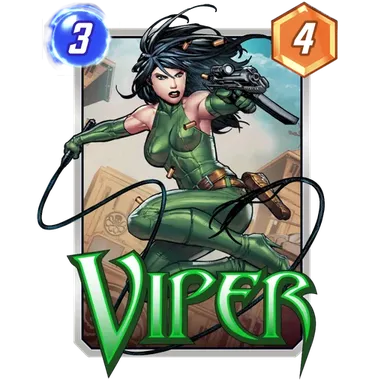
Guest also spends time on cards that can work but ask for too much. Destroyer, Doc Ock, Viper, Zero, and similar conditional cards can create powerful moments, but they are often harder for developing players to use well.
That is not a permanent judgment. Some of these cards have real decks. The issue is priority. If your account still needs reliable foundations, cards with narrow or risky play patterns should usually wait.
Early Series 3 decisions should make the game easier to understand, not harder to stabilize.
Final Verdict
The best Series 3 card for you is the one that either unlocks a deck you are ready to play or adds flexible power to multiple lists. Doctor Doom-style staples are safe. Wong and Mystique-style combo cards are excellent with support. Archetype pieces like Venom are great when they match your plan.
Do not pick based only on hype. Pick the card that gives your collection the next real step forward.