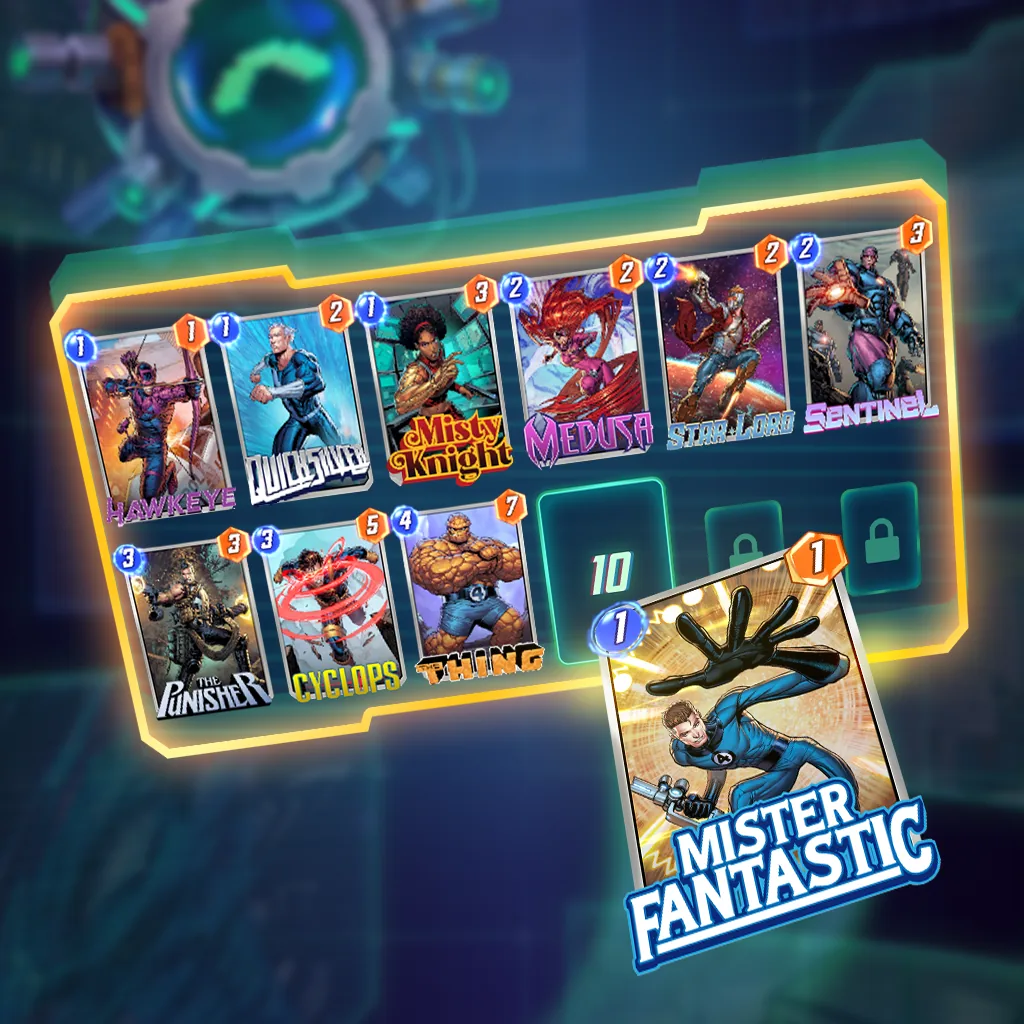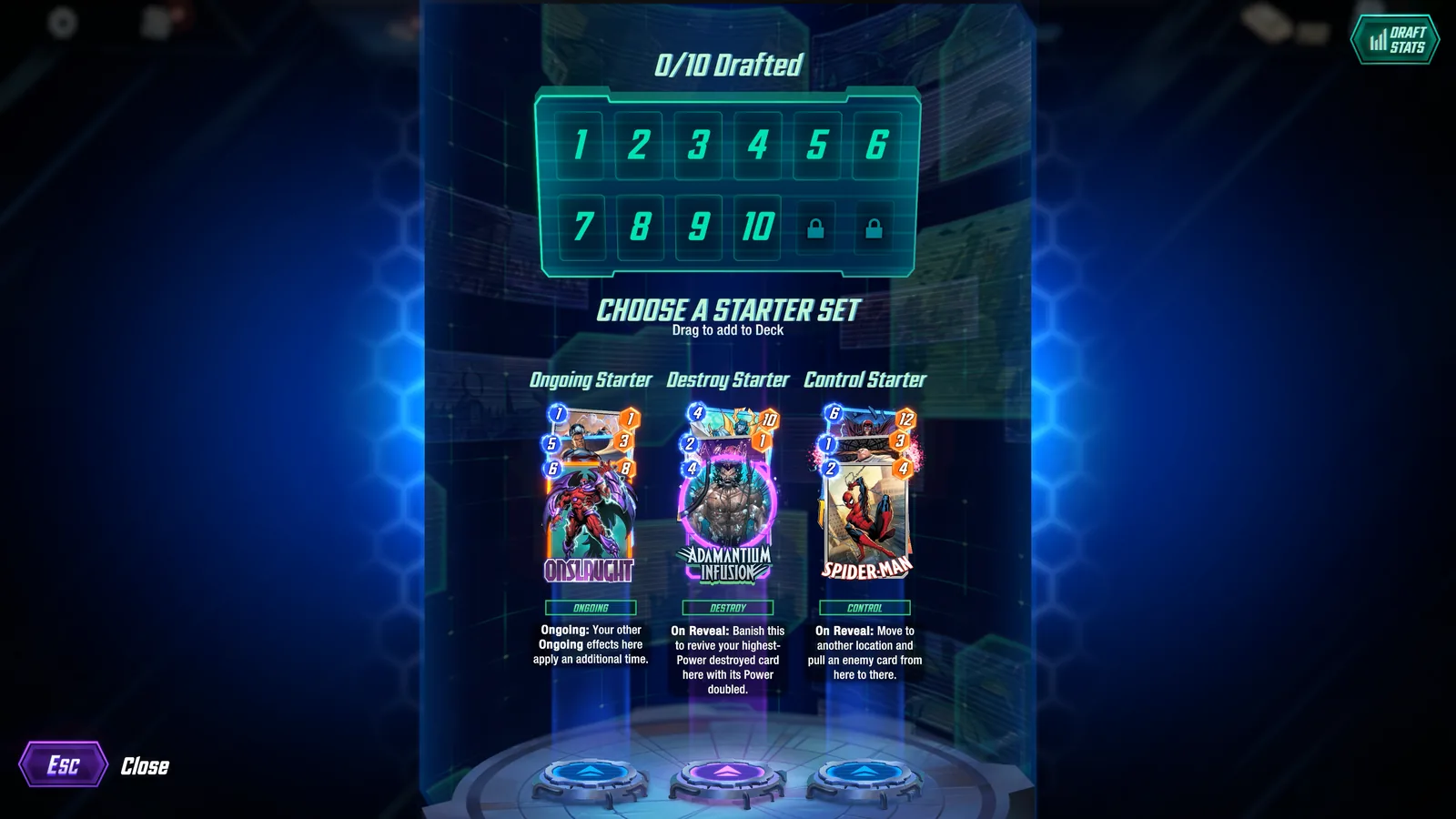
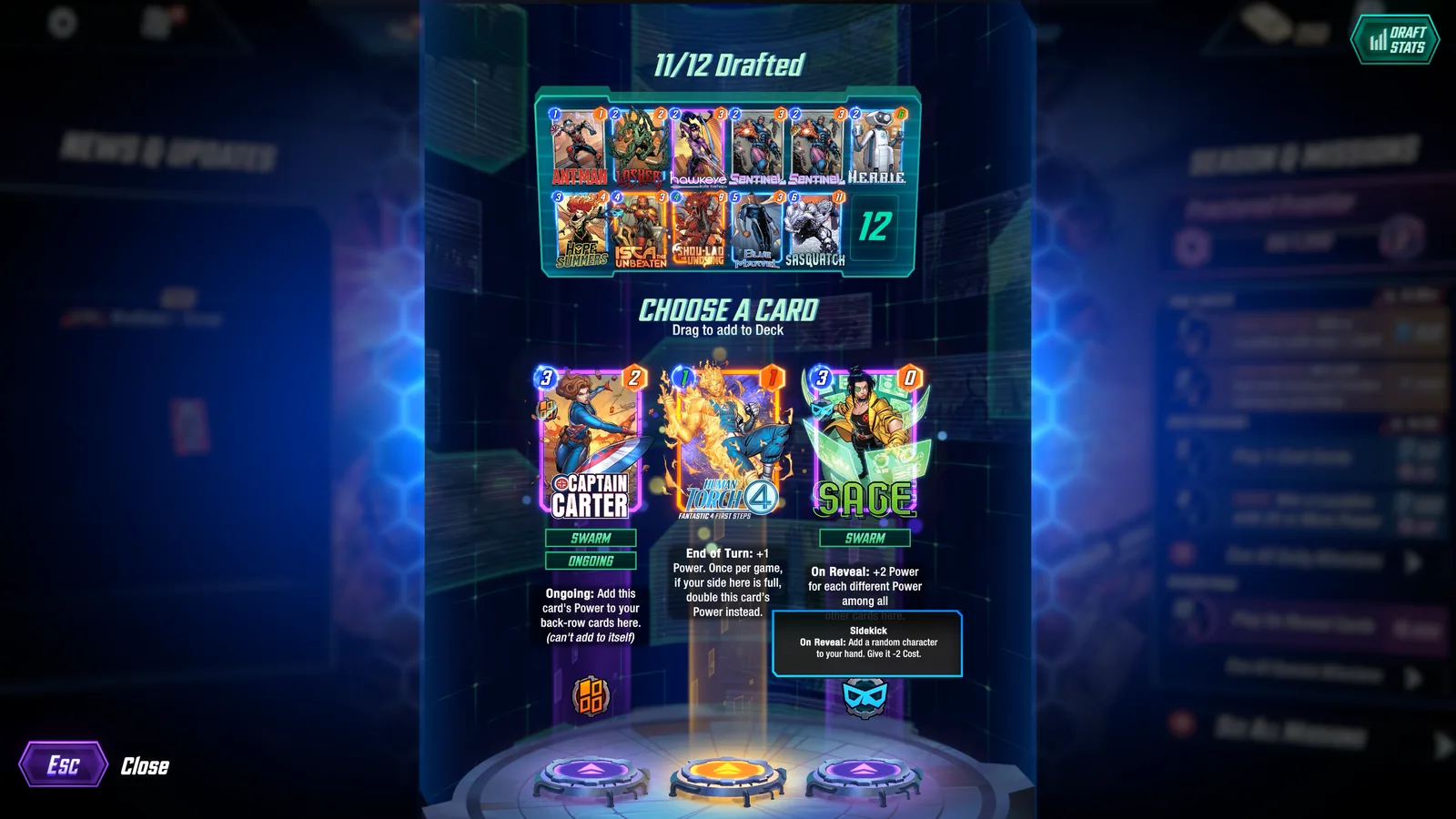
What a starter package does
Each run begins by presenting three groups of starting cards. The official FAQ calls a group the foundation for an archetype. The GameSpot interview describes the system as aim assist for synergy: it gives later choices a direction instead of dropping you into a random pile.
Read every starter through four jobs: what turns the engine on, what card gets paid when it works, how the deck competes for two locations, and what it does when the intended draw or location does not arrive.
All seven active Draft archetypes
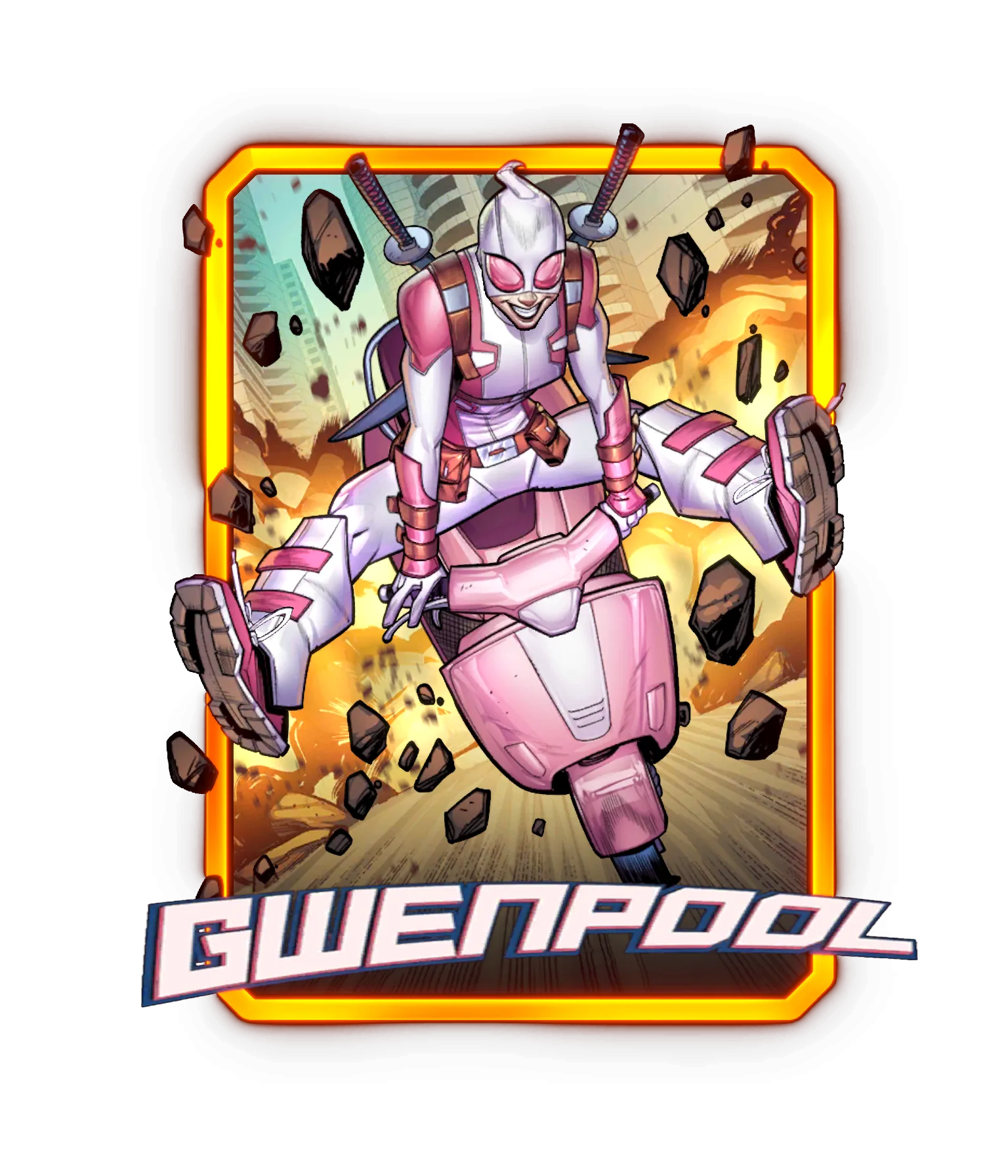
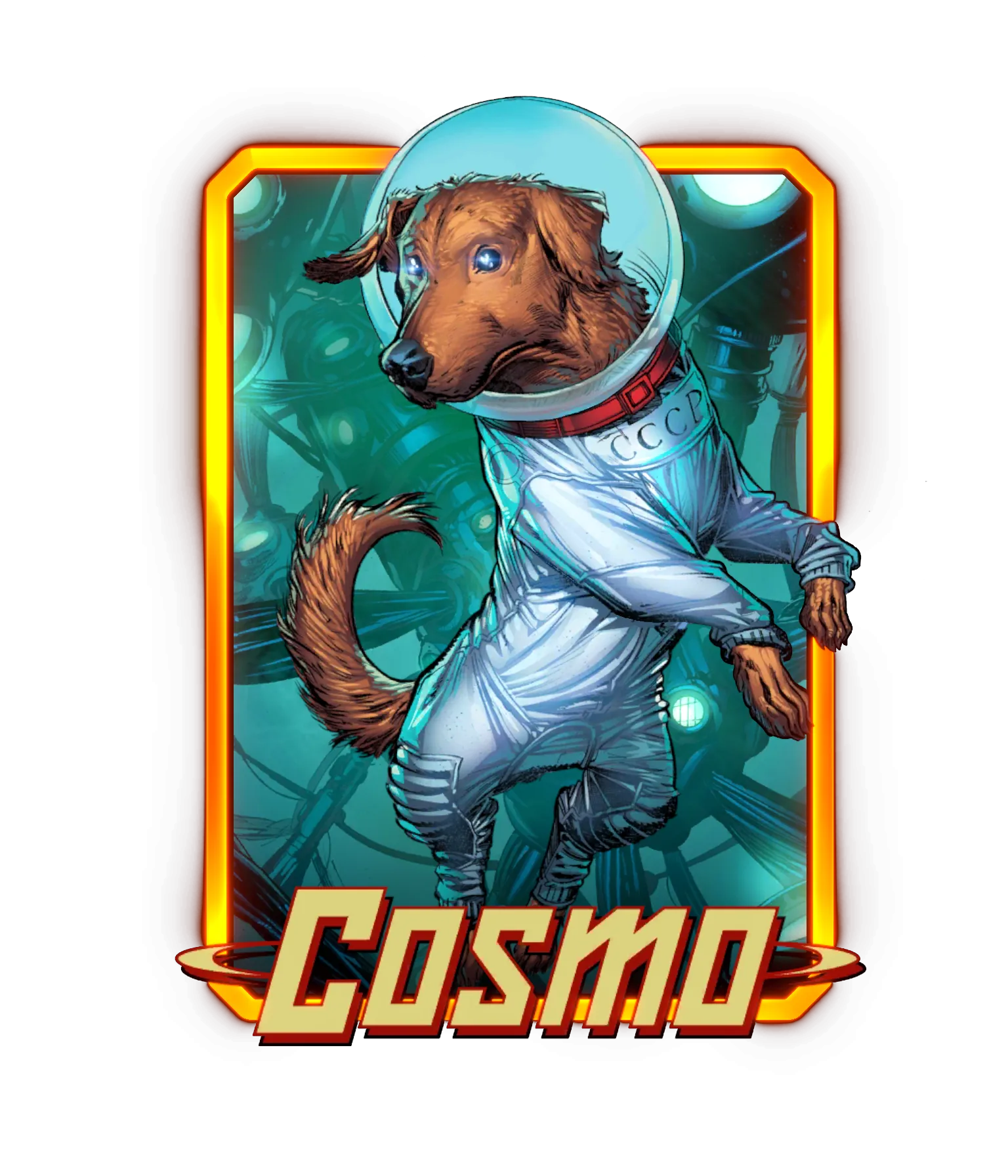
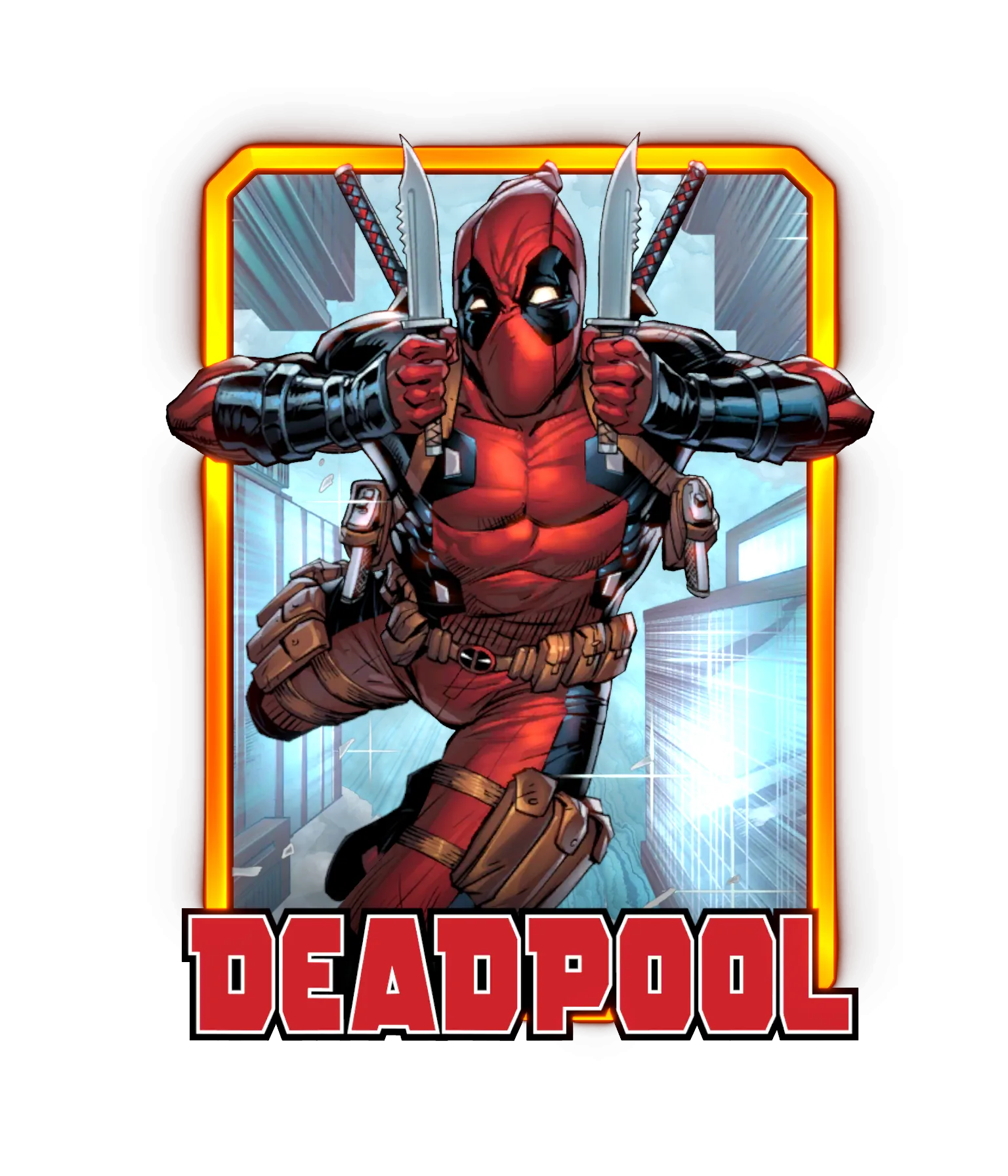
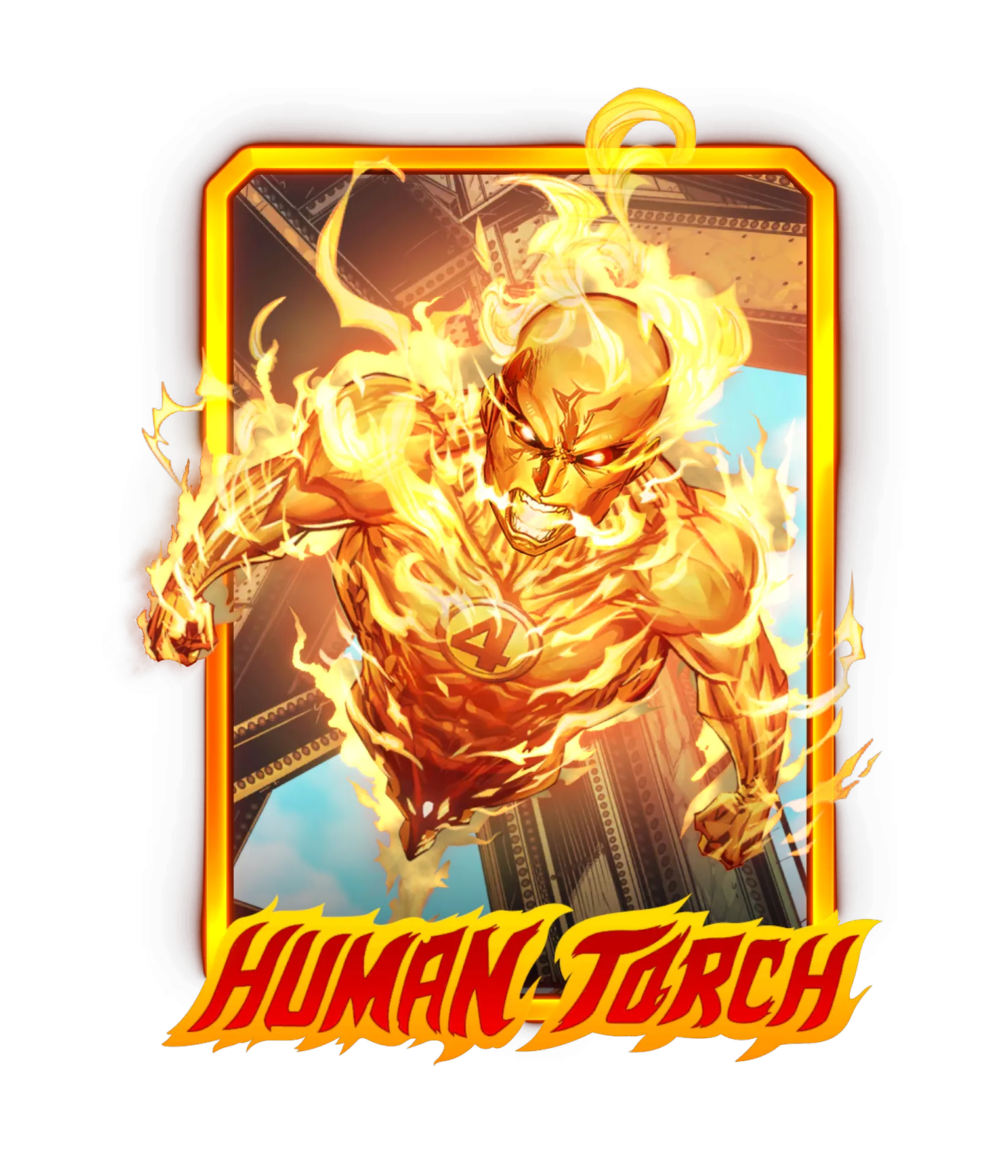
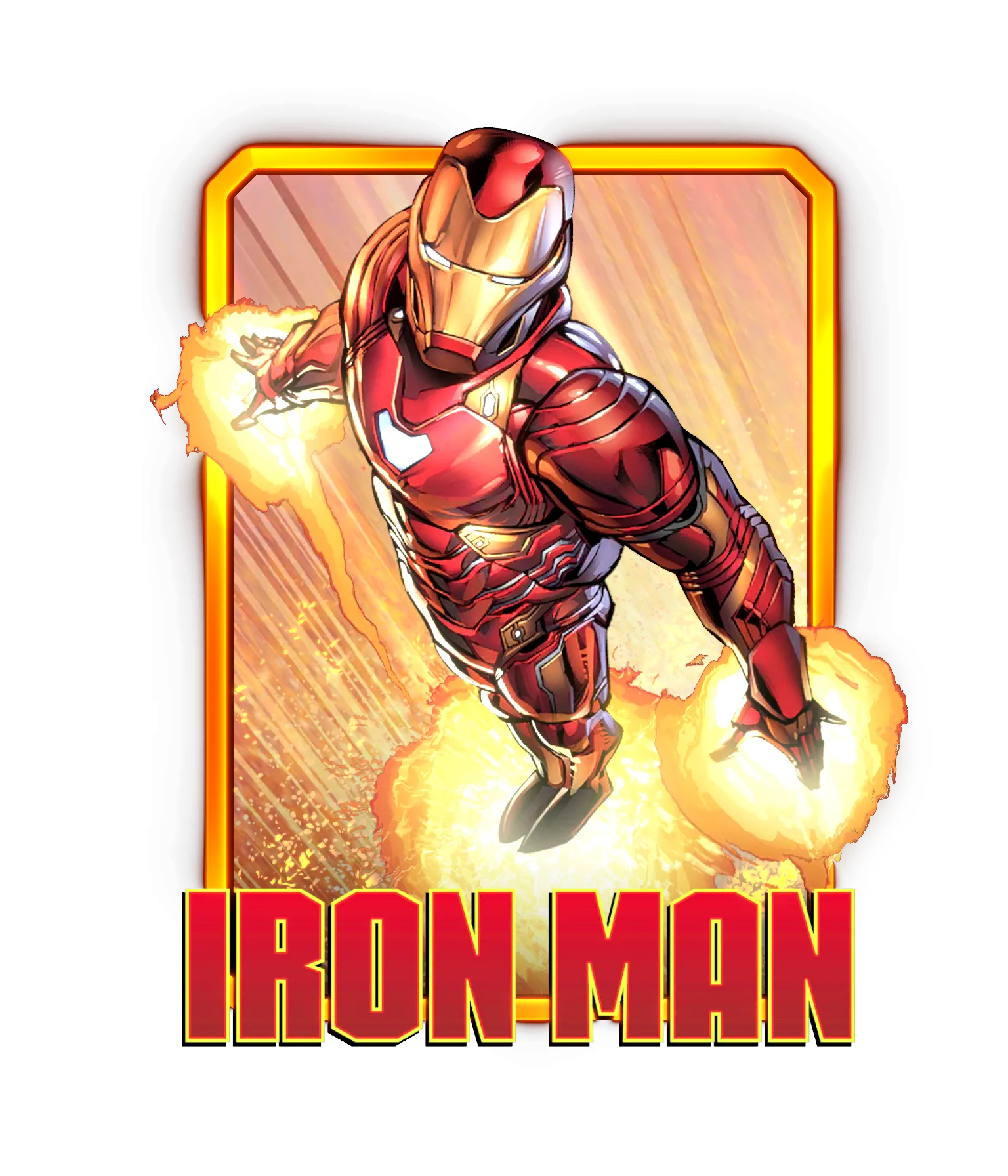
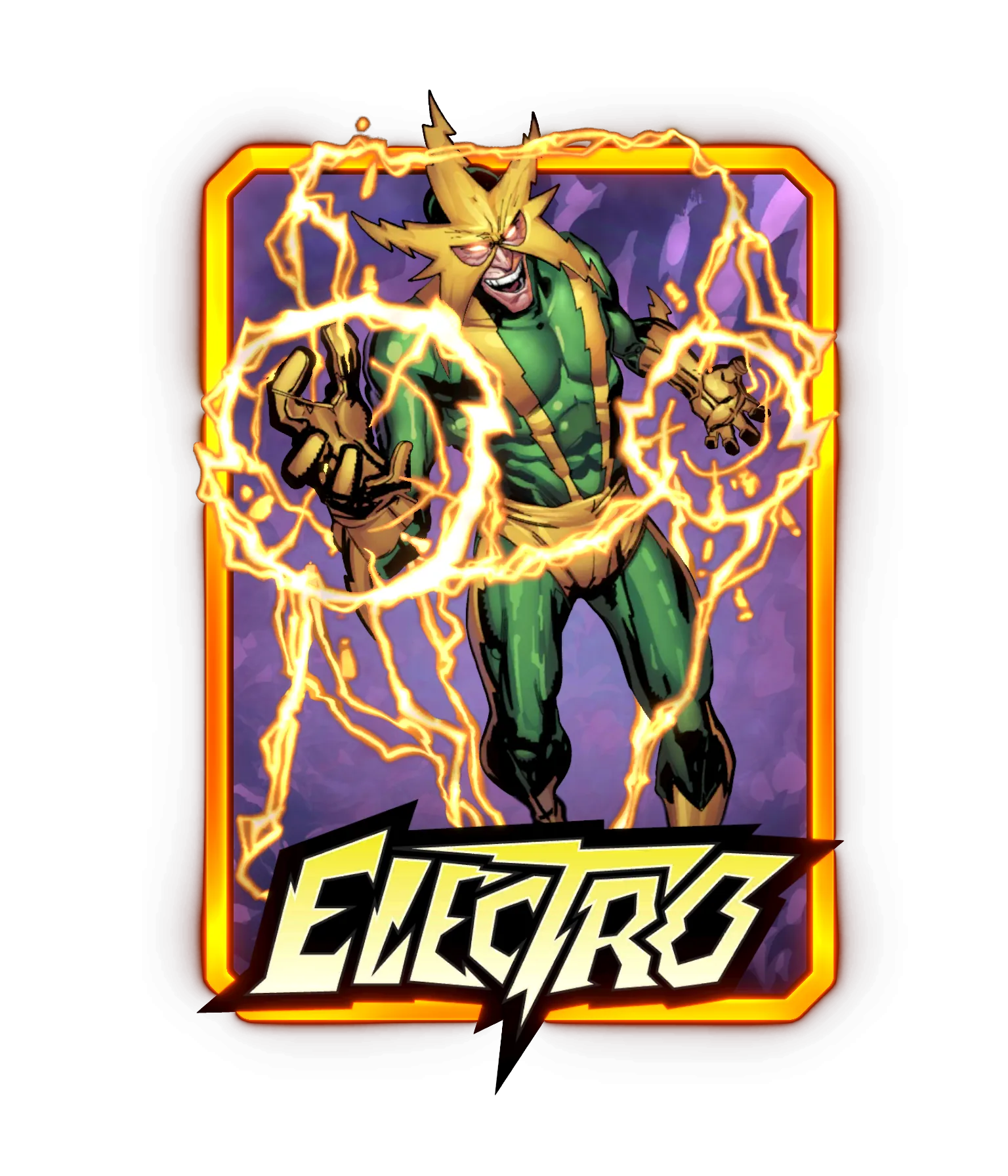

Illustrative cards only. These are visual examples of the seven deck styles, not a claim that they are the fixed contents of every starter package.
Boost
Boost is about cards whose Power changes in hand, deck, or play. Reinforce rewards an Empowered card, while Mentor deposits a card’s Power onto the top character in your deck. Take density, not one isolated oversized card: the run needs enough targets for its growth effects to change multiple draws.
Control
Control tries to make a small number of locations decisive by limiting where or how the opponent can develop. It needs interaction and enough reliable Power to win two lanes. A pile of disruptive cards without a scoring plan is not a Control deck.
Destroy
Destroy turns friendly destruction into value. The useful sequence is target, destroy effect, then payoff. Salvage is another destruction payoff; Regeneration and Tag In make a destroyed body less final. Do not take destroy cards that leave you without targets or without a lane-winning payoff.
Move
Move treats board space and destination timing as resources. It wants cards that gain something from moving, make a location reachable, or turn movement into a second body. Maneuverable, Hot Pursuit, and Afterimage are powerful only when the deck can use the movement they ask for.
Ongoing
Ongoing uses persistent text to build a lane plan that remains active. Amplify is for a real Ongoing payoff, not merely any card with Ongoing printed on it. Rally can reward a crowded lane, which means location space and protection matter as much as raw stats.
Ramp
Ramp converts extra Energy into earlier expensive turns or wider late turns. Overload is conditional Energy, not unconditional Ramp. The deck needs a reason to spend the extra Energy and enough early plays that it does not hand away the board while waiting for its larger turn.
Swarm
Swarm wants several inexpensive bodies, buffs, and a plan for a board that fills quickly. Rally and Sidekick fit naturally because the deck expects cards to accumulate. Its trap is taking too many cards that require an empty lane after the deck has already committed to filling space.
When should you pivot?
Pivot when a new offer gives you a complete second plan, not because one card is flashy. A real pivot has an engine, payoff, and playable curve already present. A bad pivot is one strong card that asks the next offers to rescue it.
A practical pivot test
Count the cards that currently serve the first plan. Then ask whether the new plan has at least two cards that work together now. If it does not, take the flexible card that fills a missing job and keep the starter plan intact.
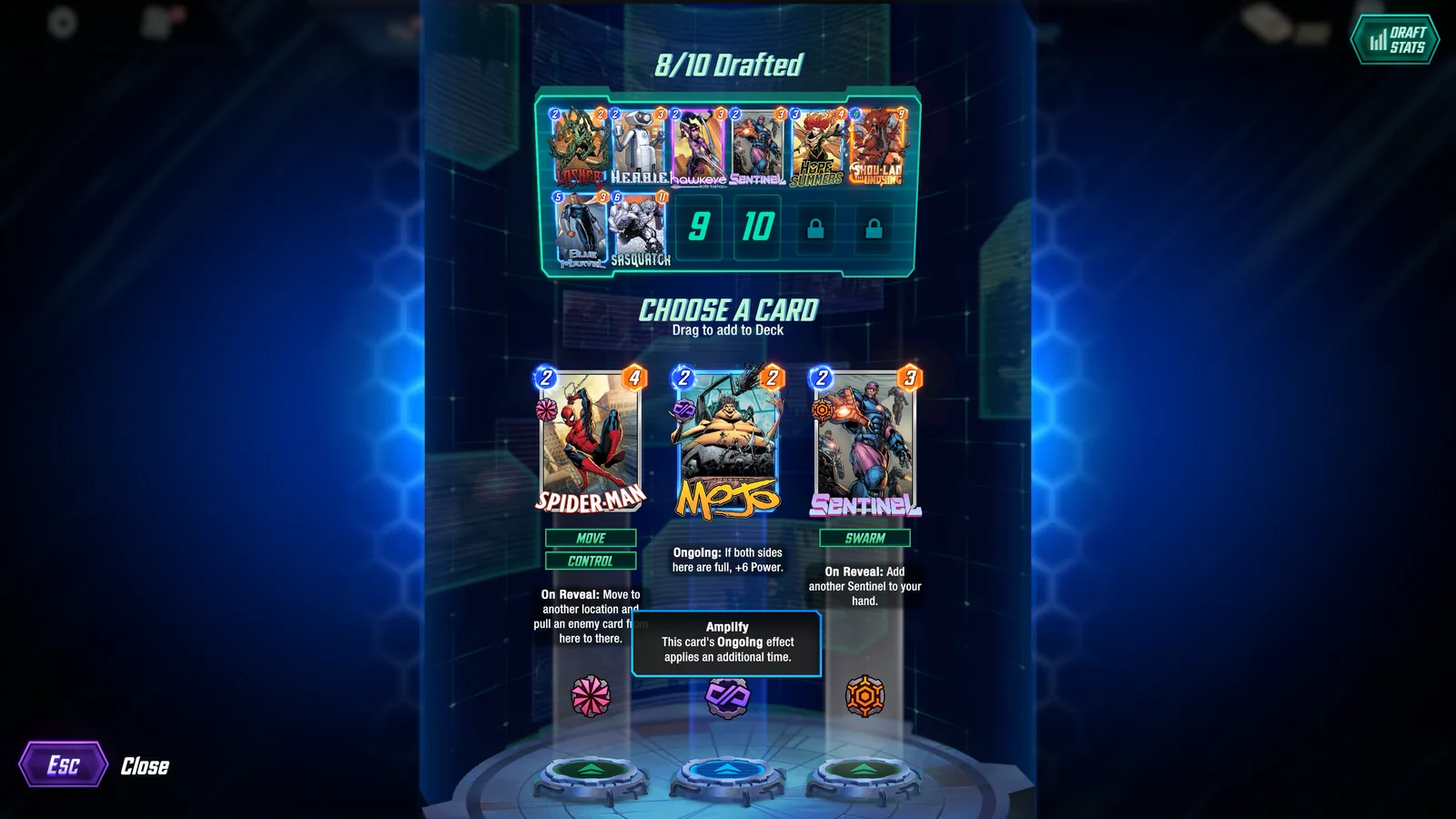
Why rarity is not a pick order
Common, Rare, Epic, and Legendary labels do not rank cards inside your run. The best pick can be a lower-rarity curve card that completes the deck, while a premium-looking option can create an unrelated direction or demand support you cannot realistically collect.
First-pick rules for new and returning players
- Choose the starter whose basic sequence you can picture before the first match.
- Prioritize cards that make the engine more consistent before a distant payoff.
- Fix the curve. A 10-card Draft deck punishes a run with no early play or too many expensive cards.
- Use flexible cards to cover missing jobs such as lane access, Power, or interaction.
- Commit harder only after the deck can produce the same plan more than once.