
The pick framework
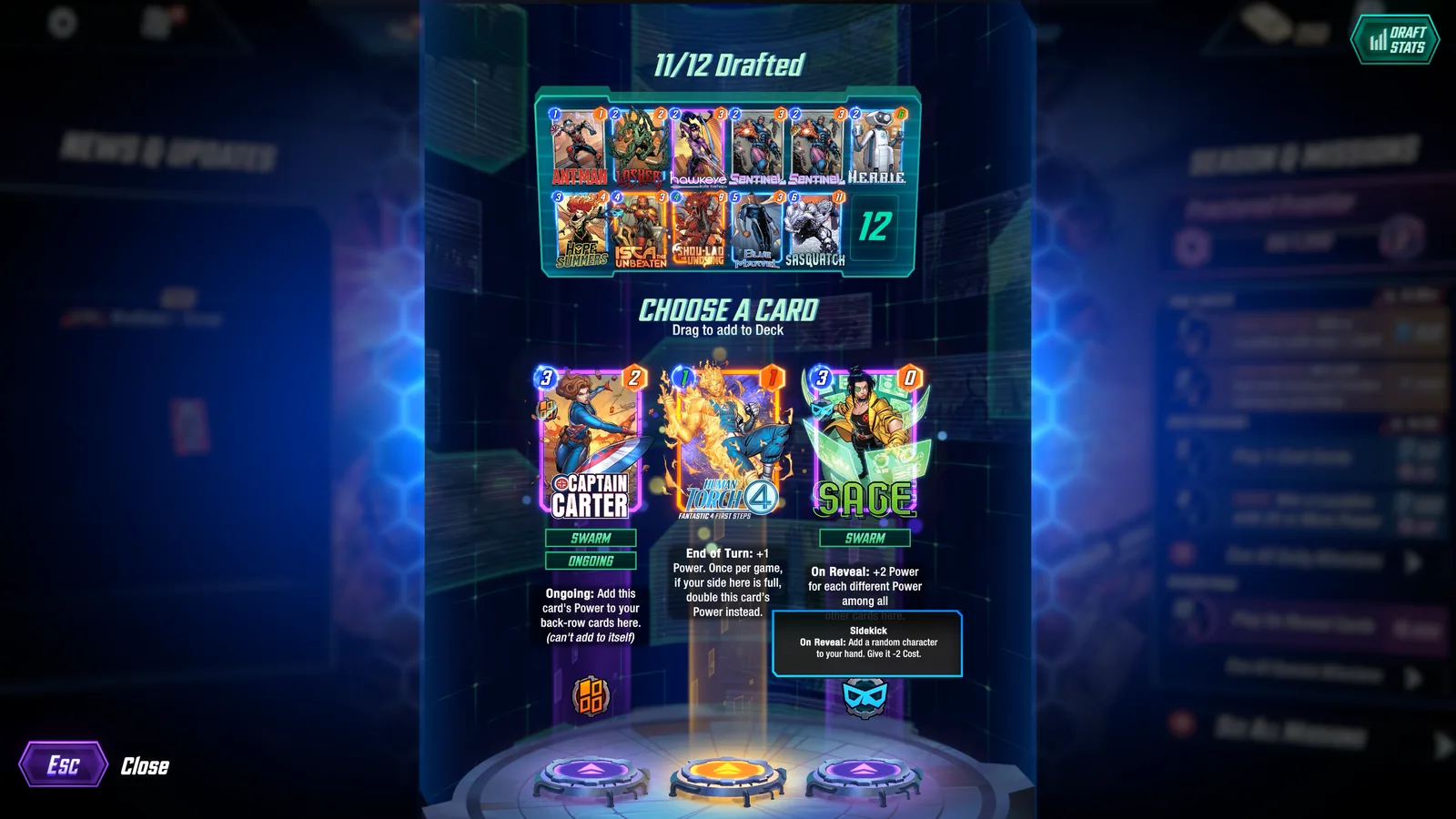
Every Draft pick should answer one of four questions: does it make the primary plan more consistent, supply enough Power to win a second lane, fix a curve or location problem, or create a credible second plan that is already supported by cards you own?
Early picks establish consistency. Middle picks complete the curve and second-lane plan. Late picks and Augments sharpen the best card or address a weakness the matches exposed.
What transfers from Ranked, Conquest, and other modes?
Priority, location reading, turn-six planning, and the discipline to retreat a lost game all transfer from Ranked. Draft changes deck-building: there is no solved 12-card list and no guarantee the next offer completes a combo.
Conquest players will recognize the resource-management problem. Draft has a two-loss limit, not an extended health bar. A tie consumes a run life even though it counts as a win for post-game rewards, which makes a low-equity tie more expensive than it first appears.
Limited-time modes teach one final skill: read special rules before importing ladder habits. Draft can make a constructed fringe card excellent when an Augment or stat change turns it into the right component for this run.
How to play the matches
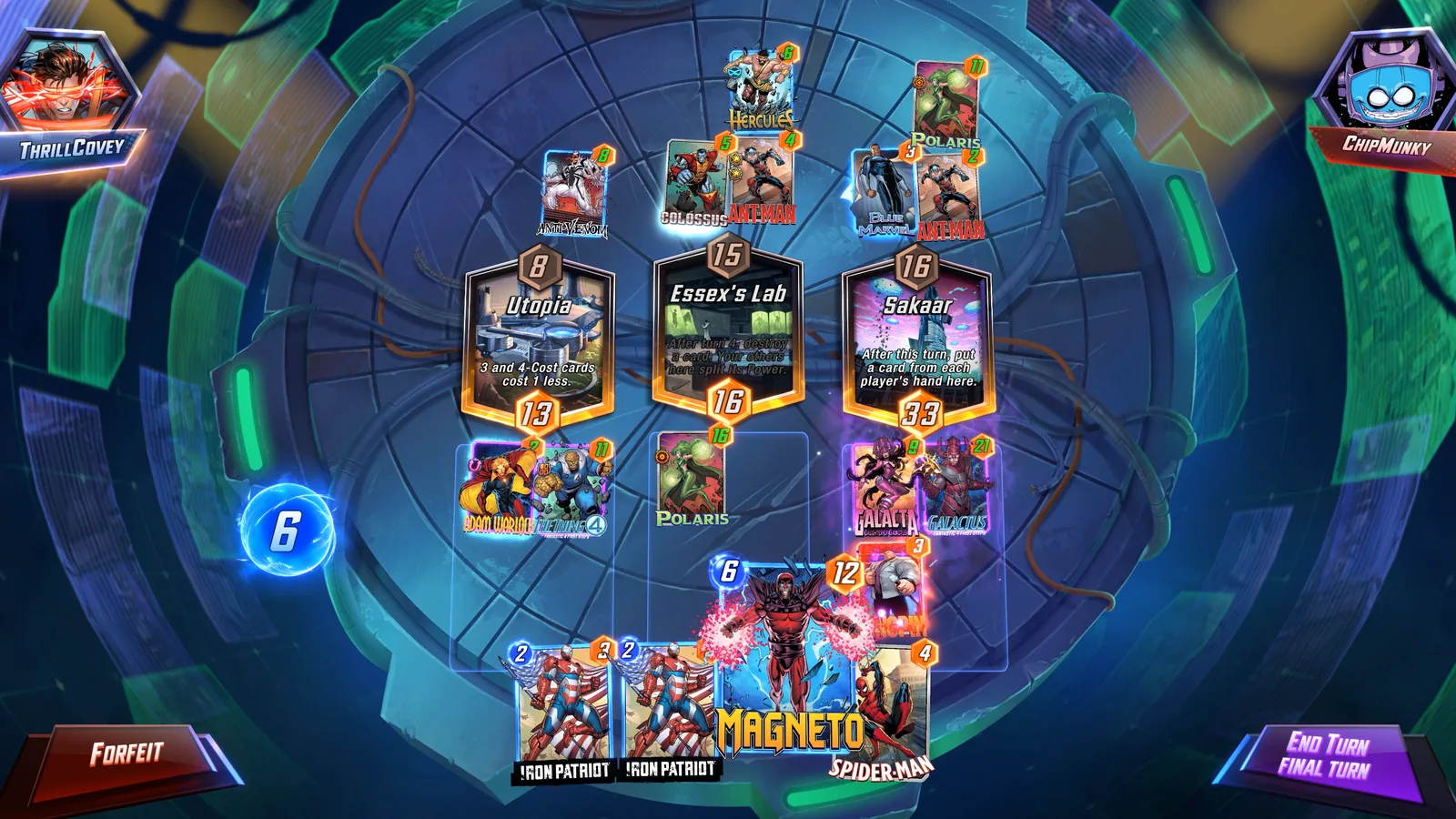
- Win two locations. Do not keep investing in a third lane that no longer matters.
- Plan the final turn as locations reveal. Draft has normal SNAP surprise Power, movement, and On Reveal turns, plus modified cards.
- Preserve space for the deck’s actual plan. Swarm needs slots, Move needs destinations, and Destroy needs targets and payoffs in the right order.
- Take the one-cube retreat when the opponent’s likely line beats every realistic draw.
- After a loss, take the upgrade that fixes the failure you saw. Do not automatically take the highest-rarity offer.
When to use a Respawn Token
The rules allow one Respawn Token per run after two losses. Spend it on a deck that has demonstrated a win condition, has a workable curve, and still has upgrades that can improve it. Do not spend it because the opening included one flashy card.
The practical test: would you queue another game believing this deck can beat an average opposing Draft deck without a perfect draw? If yes, the Token has a job. If no, the run has already told you what you needed to learn.

Draft currencies at a glance





The Bits and XP payout math
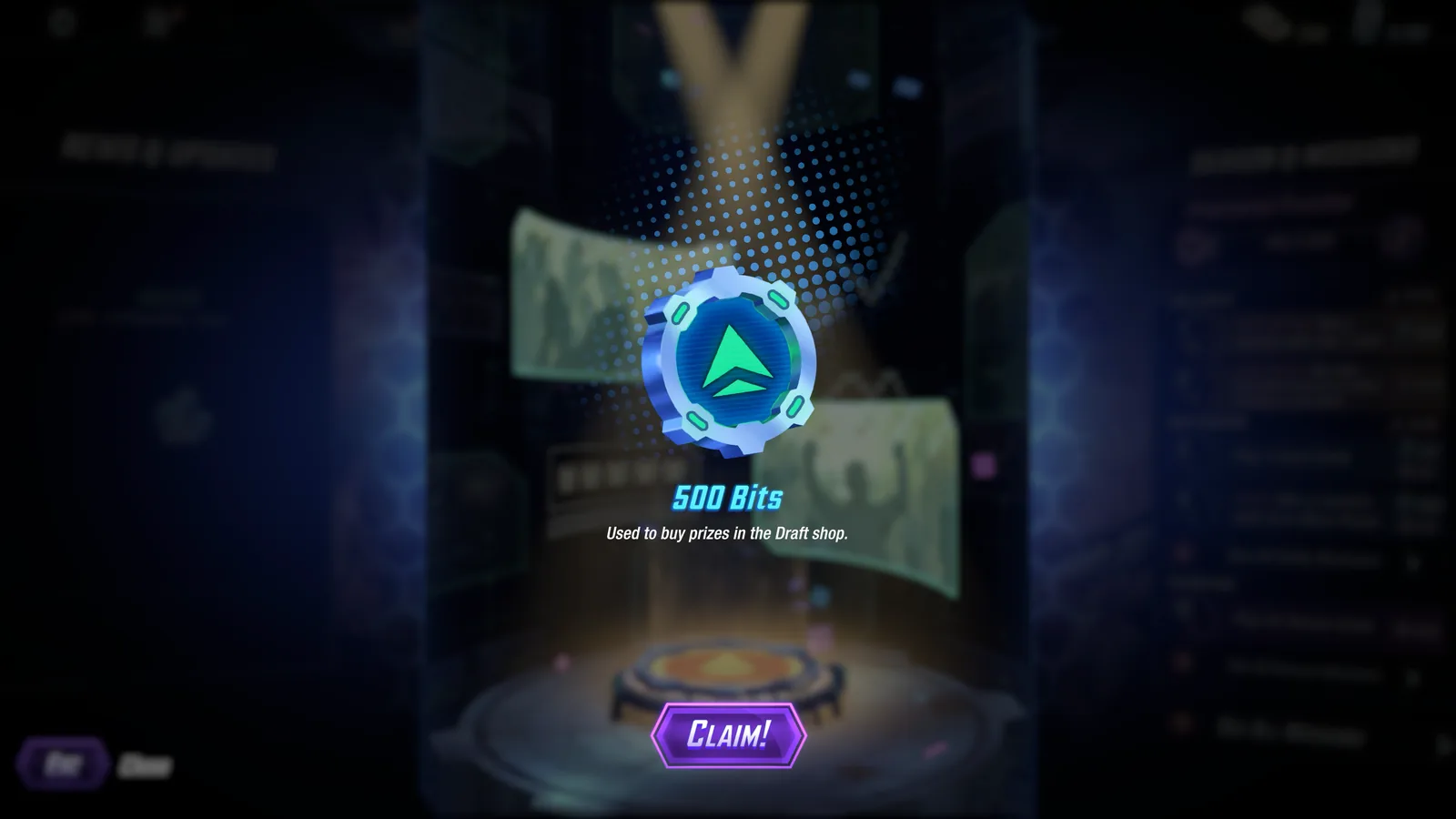
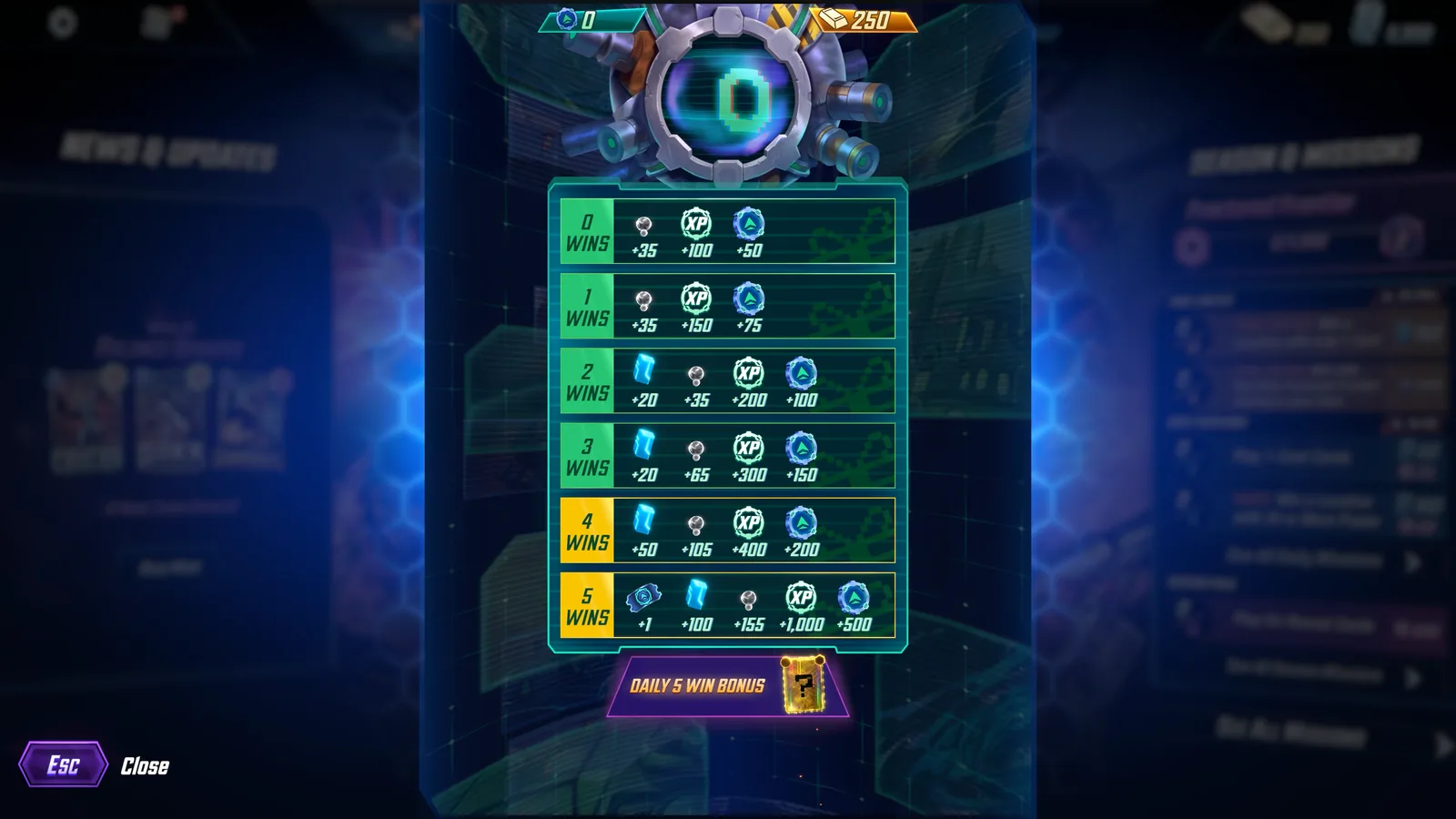
Match XP and Bits use the same rate, so the following totals are identical in both currencies. The number is the run reward plus match results. A five-win finish with no losses pays 500 + (5 × 15) = 575. A 5-1 finish pays 583. This ignores pass rewards and the once-per-day variant bonus.
| Run result | Run payout | Match result added | Total Bits and XP | Other listed run rewards |
|---|---|---|---|---|
| 5-0 | 500 | 5 × 15 = 75 | 575 | 155 Boosters, 100 Credits, 1 Ticket, daily variant if available |
| 5-1 | 500 | (5 × 15) + 8 = 83 | 583 | 155 Boosters, 100 Credits, 1 Ticket, daily variant if available |
| 4-2 | 200 | (4 × 15) + (2 × 8) = 76 | 276 | 105 Boosters, 50 Credits |
| 3-2 | 150 | 45 + 16 = 61 | 211 | 65 Boosters, 20 Credits |
| 2-2 | 100 | 30 + 16 = 46 | 146 | 35 Boosters, 20 Credits |
| 1-2 | 75 | 15 + 16 = 31 | 106 | 35 Boosters |
| 0-2 | 50 | 2 × 8 = 16 | 66 | 35 Boosters |
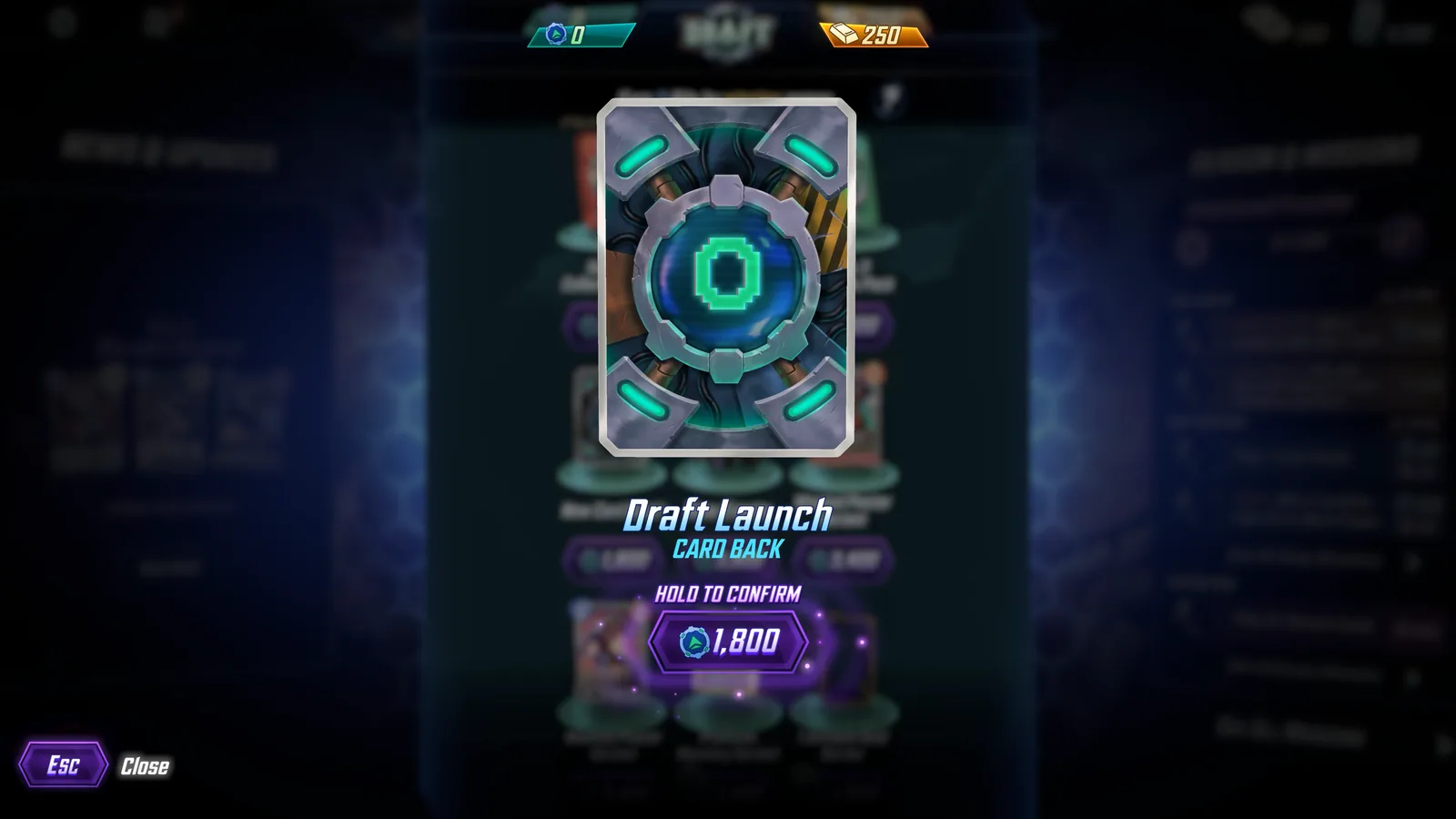
At the 5-0 pace, the 1,800-Bits card back takes 3.13 clean runs, a 1,400-Bits Series 3 Card Pack takes 2.43, a 4,500-Bits Series 4 Card Pack takes 7.83, and a 9,000-Bits Series 5 Card Pack takes 15.65. With one loss on each five-win run, those become 3.09, 2.40, 7.72, and 15.44.
The five-win ticket loop
A five-win run refunds its entry Ticket. With no Respawn Token, the run must reach five wins before its second loss. If p is your per-match win probability, the ticket-refund probability is:
Ticket-refund probabilityP(5 wins before 2 losses) = p5(6 − 5p)
| Per-match win rate | Refund chance, no Token | Refund chance with one extra life | Increase |
|---|---|---|---|
| 50% | 10.94% | 22.66% | +11.72 points |
| 60% | 23.33% | 41.99% | +18.66 points |
| 70% | 42.02% | 64.71% | +22.69 points |
| 75% | 53.39% | 75.64% | +22.25 points |
| 80% | 65.54% | 85.20% | +19.66 points |
With one extra lifeP = p5 × [1 + 5(1 − p) + 15(1 − p)2]
The Token model treats “another life” as allowing the third loss before the run ends. It is a probability model, not a promise of reward value: a Token can only be used once per run, and a player should still decline it when the deck’s expected match win rate has fallen below their usual rate.
Ticket and Token Gold math
| Offer | Listed price | Per Ticket-equivalent | Comparison |
|---|---|---|---|
| Single Draft Ticket | 100 Gold | 100 Gold | Baseline |
| Daily 5-Ticket offer | 350 Gold | 70 Gold | 30% less Gold per Ticket than buying five singles |
| Draft Ticket Bundle | $4.99 for 8 Tickets + 1 Respawn Token | 9 items with a 100-Gold individual-price reference | 800 Gold of Tickets + 100 Gold of Token reference = 900 Gold of listed single-item reference; not a real-money-to-Gold conversion |
| Single Respawn Token | 100 Gold | 100 Gold | Only valuable when it turns a two-loss run into a credible five-win path |
The daily five-ticket offer is the clean Gold deal if the goal is simply more attempts. It costs 350 instead of 500 Gold, saving 150 Gold for five runs. The cash bundle is a separate purchase decision: the plan gives a $4.99 price and a listed 900-Gold single-item reference, but it does not publish a fixed USD-to-Gold exchange rate, so the page does not pretend it can calculate one.
Bits shop math: listed alternative Gold prices
The shop shows a Bits price and a Gold alternative for several offers. Dividing Bits by Gold gives a Bits-per-Gold comparison. Lower is more Bits-efficient relative to that offer’s own Gold alternative. It does not prove that a cosmetic is more valuable than a card pack, nor does it create a universal exchange rate between Bits and Gold.
| Offer | Bits | Gold alternative | Bits per Gold | Read it as |
|---|---|---|---|---|
| Series 3 Card Pack | 1,400 | 840 | 1.667 | Most Bits-efficient of the three listed Series Pack options |
| Series 4 Card Pack | 4,500 | 2,600 | 1.731 | Same ratio as the Series 5 pack |
| Series 5 Card Pack | 9,000 | 5,200 | 1.731 | Same ratio as the Series 4 pack |
| Draft Card Back | 1,800 | 1,000 | 1.800 | A direct cosmetic choice, not a collection-progression exchange |
| Magik Pouty emote | 3,800 | 2,200 | 1.727 | Near the Series 4 and Series 5 ratio |
| 100 Credits | 150 | 80 | 1.875 | 1.5 Bits per Credit; better Bits-per-Credit rate than the 50-Credit offer |
| 50 Credits | 80 | 40 | 2.000 | 1.6 Bits per Credit; use only if the smaller amount solves the remaining balance |
A 5-0’s 575 Bits corresponds to about 319 to 345 Gold when measured against the table’s card-back, Series 4/5, and Series 3 alternatives. That is an offer-relative comparison only. It should not be added to the 100-Credit reward and Ticket refund as though the event publishes one real cash value for a run.
Credits, Collector Tokens, and what does not convert
Draft’s shop offers a direct Credits choice, so that math is clear: 100 Credits cost 150 Bits or 80 Gold, while 50 cost 80 Bits or 40 Gold. The larger Credits offer is 1.5 Bits per Credit; the smaller is 1.6. A five-win run’s 100-Credit payout matches the quantity of the 150-Bits/80-Gold shop offer before counting the run’s Bits, Boosters, Ticket refund, or variant bonus.
Collector Tokens are different. The supplied plan places them on the Event Pass reward track, but the Draft Event Shop sells Series 3, Series 4, and Series 5 Card Packs, not a direct Collector Token offer. There is no honest Bits-to-Collector-Tokens exchange rate in this event plan. Do not turn a card-pack price into a Token price, and do not treat a Series Pack as a guaranteed specific card.
The Premium Event Pass costs 1,200 Gold and includes 1,200 immediate Draft XP. At 170 XP per track step, that jumps past the first seven 170-XP thresholds (1,190 XP) with 10 XP toward the next one. Whether that is a good purchase depends on the track’s specific rewards you want; it is not comparable to a Ticket bundle on a per-run basis.
Economy decisions that hold up
- Use daily free Tickets before buying Tickets, but avoid wasting them on autopilot runs when a focused test would teach you more.
- For Gold-only Ticket purchasing, the five-ticket daily offer has the best published price per entry.
- For Bits-to-Credits, the 100-Credit offer beats the 50-Credit offer on raw Bits per Credit.
- For Bits-to-card-pack comparison, Series 3 has the lowest listed Bits-per-Gold ratio; Series 4 and Series 5 tie. Collection goals still matter more than this ratio alone.
- Use a Respawn Token when the ticket-refund probability and remaining rewards justify it, not because the Token is already in your inventory.
- Spend Bits before the shop closes. The supplied plan says unspent Bits convert to Random Boosters, which is not the same as choosing the shop reward you were saving for.
What is confirmed, and what needs live checking?
The run structure, ties, 12-card cap, Respawn Token limit, prices, pass pacing, reward table, and shop timing above come from the supplied official Draft FAQ and blog. The formulas are transparent calculations from those values. Card strength, Augment frequency, and the best starter are live-format questions, not fixed economy facts.
Draft is scheduled as a Limited Time Game Mode through September 8, 2026 at server reset. The supplied FAQ lists opening at server reset on August 24, and the supplied blog says the shop remains open through September 10, 2026.