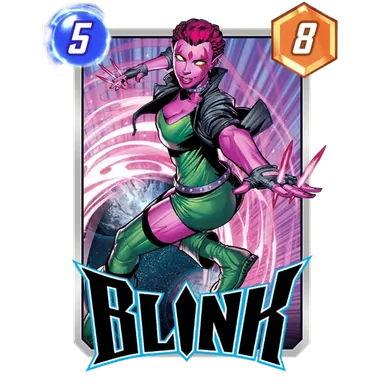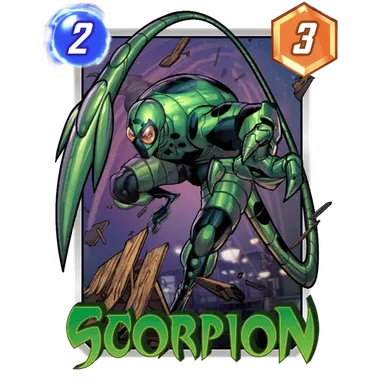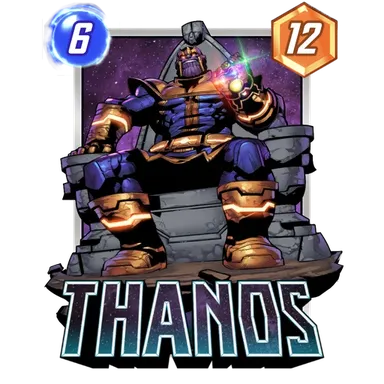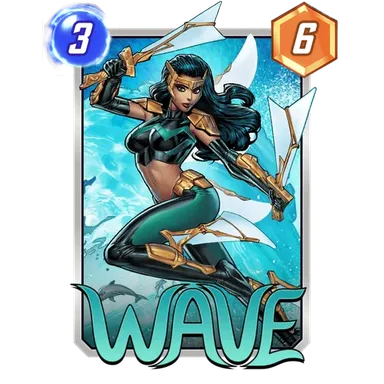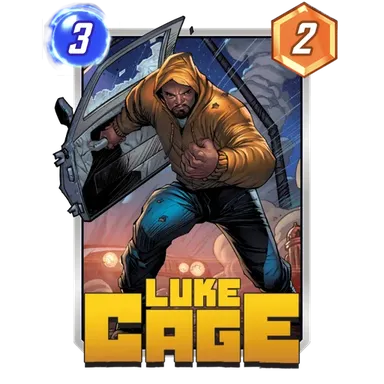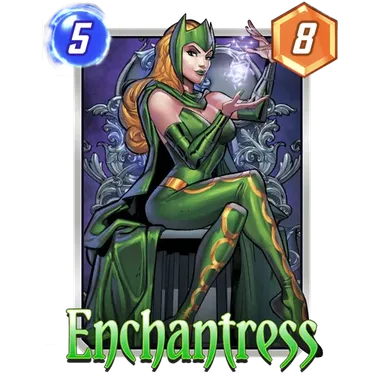
Does Blink deserve a nerf for making Scorpion: Brand New Day so consistent, or is she paying for a problem that better counterplay could solve? That's where we split. One argument treats Blink as a repeated constraint on expensive card design. The other sees useful ramp decks lose their engine while Scorpion remains the threat that needs an answer.
We do agree on the immediate comparison: Scorpion's deck took a bigger hit than Thanos: Fractured Frontier. The disagreement is over whether Second Dinner hit the right card to get there.
Blink keeps removing the risk from combo decks
The case for the Blink nerf starts with a risk that combo decks should face: sometimes you don't draw the card your deck needs. Blink reduces that risk. In a deck built around one expensive payoff, she can act as another way to find it.
That argument extends beyond Scorpion. Hela and Living Tribunal also sit in Blink's history. If every new expensive payoff needs a balance check against an extra route to that card, Blink becomes a design constraint. From this perspective, the latest change finally addresses the source of her strength.
Scorpion makes the consistency problem especially clear. The discussion points to the extra draw from a longer game and Blink supplying a backup route to the payoff. Together, those choices leave fewer games where the deck fails to find Scorpion. You face the same combo more reliably, even though the deck revolves around one card.
A Wave version creates a different commitment. You need Scorpion in hand in time for that play, and an early Scorpion gives the opponent a chance to interact with him. The pro-nerf position welcomes that pressure. A combo deck can have a powerful result and still need to meet meaningful conditions before it gets there.
The same position acknowledges a cost: the ramp deck from the giveaway loses a card central to its plan. That deserves attention, potentially through another deck giveaway. Defending the Blink change doesn't require dismissing the players who wanted to use her for ramp.
Stardust doesn't settle the Blink argument
The defense of Blink starts with the decks that lose out. Ramp was a major part of her appeal, and Splat Surfer is another example from the discussion. Blink helps those decks reach their big plays without automatically making them dominant. A change aimed at Scorpion can take those options away too.
There is also a counterplay argument. Stardust already provides a way to attack Blink, and a less dominant Thanos could leave more room for interaction. Under that view, the metagame had a route toward adjustment without such a severe Blink change. A proposed alternative is stronger Luke Cage coverage, rather than removing Blink's role in those other decks.
The response draws a firm distinction between Scorpion and its backup plan. Stardust can stop Blink, but that doesn't mean it answers Scorpion itself. Against Hela, the argument goes, Stardust also attacks the main payoff. Living Tribunal faced answers such as Enchantress and other ways to break its board. Those examples don't prove that Stardust alone solves the Scorpion matchup.
That difference explains why the debate doesn't resolve into agreement. One side thinks Blink repeatedly removes too much risk from powerful combos. The other thinks the dangerous payoff needs better answers, especially when the proposed fix harms weaker decks. Both can agree that Blink drives the getaway car and still disagree over whether that's the card to punish.
Ancient One reverses the alignment. The defender of Blink supports that nerf because of how severe Ancient One's current contribution is. The supporter of Blink's nerf objects that Ancient One lacks the same history of repeated problems. These are two different judgments about responsibility, rather than a shared verdict on every Scorpion-related change.
The practical agreement is narrower: Scorpion now faces more games without access to its central card. That makes its loss of consistency more substantial than the hit to Thanos, even while we disagree about Blink's treatment.
Thanos loses reliability, not his best game
Thanos: Fractured Frontier no longer starts with an Infinity Shot loaded. One response sees that as a sensible middle ground. It makes his output less reliable without immediately replacing the orange stone's destroy effect. The skeptical response expects Thanos to remain strong, while acknowledging that the change could matter more in games than it does on first read.
The distinction between average output and ceiling matters here. Thanos can still reach six shots. Removing the starting shot lowers his floor and his average output, so the strongest result becomes harder to reach. It doesn't remove that result from the card.
The deeper concern is how little some decks sacrifice to load him. When several cards fill similar jobs along the curve, playing the latest draw can still fit your plan. Thanos rewards that kind of deck construction. The skeptical view is that one fewer shot doesn't necessarily create enough reason to choose a different five-drop.
The green and orange stones also present different problems. Green stands out for strength. Orange creates frustration through destruction, including the uncertainty when an opponent misses which shot loaded. Making orange the sixth shot is proposed and rejected: that solution puts extra emphasis on the destroy effect instead of directly changing it. There is no shared agreement that orange should become an afflict effect, either.
Domino's lost point also reduces the reward for the consistent Thanos package. Jane Foster's power reduction draws much less debate. We agree that her output justified the change without needing to frame it solely as another hit to Thanos.
The next test depends partly on the decks around him. If the new season creates strong reasons to play specific combo pieces or reactive cards, Thanos can become less attractive. The open question is whether those decks demand choices that his preferred play pattern can't comfortably support. His nerf alone doesn't settle that.
The timing of a Thanos nerf changes its reception
A balance change also arrives with expectations. A small step can feel more frustrating after players spend weeks asking for a larger one. At the same time, highly engaged players can tire of a card before players who spend less time with the game do.
Another pressure enters the discussion: players who returned for Draft and picked up Thanos late in his season. An immediate nerf could feel terrible to someone who just acquired him. A break in the OTA schedule also features in the timing debate.
Those are possible explanations, not inside knowledge of Second Dinner's decision. The discussion explicitly leaves that uncertainty intact. There is a reasonable concern about the experience of new or returning players, alongside discomfort with balance taking second place to that concern.
Tombstone's extra power invites an experiment
The buff list gets a skeptical reception from one side: extra power doesn't automatically change what a deck can accomplish. Tombstone is the clearest example. A point has limited appeal in a Nimrod game with huge power totals, and a late Tombstone can be difficult to use at all.
The more optimistic view sees room outside that exact shell. Muse and X-23 come up as parts of a possible hybrid Destroy package with Tombstone. That is an idea to test, not a proven new deck. The skeptic is open to the Muse direction without declaring Tombstone solved.
Winter Soldier and Zombie Captain Marvel also receive attention as part of a possible push toward Destroy. That explanation remains a read on the changes, rather than a confirmed developer goal. The useful distinction is between extra points in a familiar deck and extra points that make a new package worth trying.
Gambit's board clear still needs cube value
One host describes an alarming opponent: a combo deck with Gambit: Horseman of Death that destroys the board through multiple copies. Scarlet Witch: Queen of Chaos also enters the conversation as another route to more Gambits. That experience raises concern about another frustrating combo gaining attention as Scorpion takes a hit.
The objection is about what happens before the payoff. A visible combo can tell the opponent what is coming and reduce the chance to win extra cubes. A spectacular board clear doesn't, by itself, establish that the deck is good for the climb.
For the skeptic, the deck also looks worse under a streamer's conditions, where opponents can recognize the plan. It falls outside that host's preferred combo style. This is a doubt about the deck's quality and cube value, separate from the other host's fear of another frustrating combo. The skeptic declines the proposed 20-game test, so the objection remains a judgment with a streamer-specific caveat.
Sanctum Draft puts too much weight on tempo
The late discussion shifts the question from card consistency to the rules of the game mode. The criticism of Sanctum Draft focuses on changes to scoring across the locations. One host has played the mode and thinks Second Dinner changed too much at once. The other explicitly hasn't played it yet, so the response is conditional on that explanation.
The central complaint is that the side locations can become valuable enough to reduce the incentive to contest the Sanctum. The played experience leads to a specific preference on turns two and five: develop the other locations. That can build toward later turns while still earning points now.
From that description, the other host identifies the problem as too much emphasis on tempo. The host with direct experience agrees. The discussion considers a different progression where the Sanctum's value rises every other turn. It remains a proposed alternative, rather than a tested fix.
Draft's future raises a wider concern. If players associate the first variation with too many unwelcome changes, they can become resistant to any future variation. That doesn't mean every experiment needs to disappear. A short weekend trial could test a scoring change without replacing the version players wanted back for a longer run.
We land on giving players another dose of the Draft they enjoyed before asking them to learn a different version. The remaining question is how to test new scoring without making that experiment the only available return of Draft.