A Skill is a card, but it isn't a character. That distinction matters when an effect looks for the last card played. The last card can be a Skill even while an earlier character is still sitting on the board.
Skills have no Power. They are banished after their own On Reveal resolves, before other cards and locations process after-play triggers. Other effects can still recognize that a card was played. Second Dinner explains that timing in the March 4, 2025 patch notes.
Read the target noun before deciding what an effect will do. If your plan depends on moving a character, “card” and “character” aren't interchangeable descriptions of the target you hope to hit.
Why the Aero question comes up
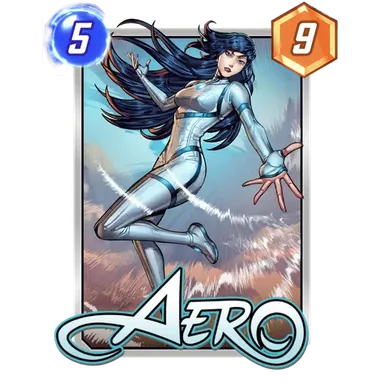
In the September 4 Marvel Snapcast discussion, Skills are part of the criticism of Aero. The episode points to her use of “card” rather than “character” and describes the possibility of her effect whiffing.
The practical question is easy to miss: was the character you wanted to move actually the opponent's last card played? Or did they play a Skill afterward?
Don't replace that question with “which character did they play most recently?” Those can identify different objects. The episode's concern is precisely that the last-card wording doesn't simply become a last-character search when a Skill enters the sequence.
The current Aero text reads: “On Reveal: The last card your opponent played moves to this location.” Her text doesn't instruct her to search backward for the last character. The Aero card page gives you a reference when checking that target.
Read the noun, the condition, and the action
For a targeting effect, work through what the text asks you to identify and what it asks you to do to that object.
| Part of the text | Question to answer |
|---|---|
| Card or character | Which kind of object is eligible? |
| A condition such as last played | Which object meets that condition in this sequence? |
| The action, such as moving it | Can that action be performed on the selected object in the current position? |
The order matters. Finding a character you'd like to move doesn't establish that the effect selected it. An object meeting the selection condition also doesn't guarantee that the attempted action will produce the board change you wanted.
The MARVEL SNAP card library lets you compare the full named effect with the object involved. Read the actual wording rather than borrowing a remembered rule from another card that looks similar.
A later Skill changes what “last card” refers to
Consider this specific sequence: an opponent plays a character, then a Skill, and the Skill finishes resolving before Aero's effect. The character can remain visible, making it the obvious object you want to redirect. But it is no longer the last card in that sequence.
The Skill has already left play, so it isn't there for Aero to move. Her last-card wording doesn't supply a fallback to the earlier character. This explains the whiff discussed in the episode using the official Skill timing and Aero's target text. An unresolved Skill or a different order of effects is a different case.
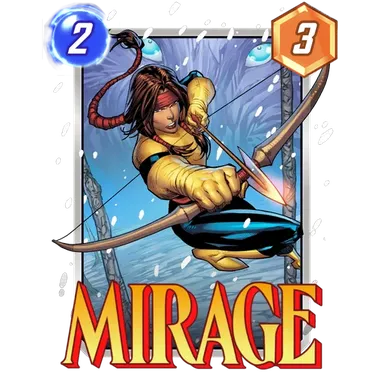
This wording difference has also been used deliberately in balance updates. In the July 17, 2025 update, Second Dinner changed Negasonic and Mirage from targeting a card to targeting a character specifically to exclude Skills. Read the target noun as part of the rule, even when your older play habits treated both words the same way.
Check what your intended play depends on
If you're returning after a break, the MARVEL SNAP beginner guide covers the broader match structure. The narrower habit here is to check the recent play sequence when your effect depends on it.
Name the target you expect, identify the words that select it, then check whether the action can happen. If the plan only works after changing “card” to “character” in your head, the text isn't supporting that plan.
Watch the Aero and Skills exchange in Episode 155. The beginner guide collection has more explanations for rebuilding your understanding of the game.