An off-meta MARVEL SNAP deck can still lose to the tech card everyone brought for something else. Being an unusual choice doesn't protect a plan that shares the popular deck's weakness. Before choosing it, check what the common answer would take away from your own cards.
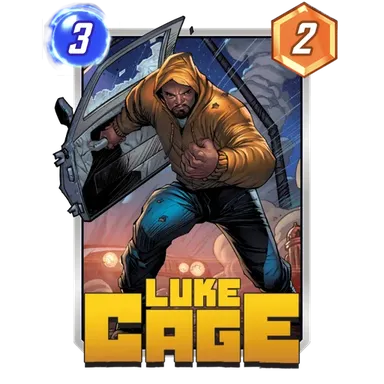
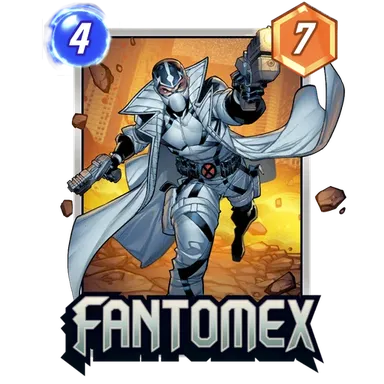
The August 28 Marvel Snapcast discussion gives a pointed example. Luke Cage was being discussed as an answer to Scorpion Brand New Day, but the hosts argued that the same card was making life even harder for Fantomex and midrange Hellcow Fractured Frontier decks. Those decks could suffer from the response to another strategy without being its intended target.
That's the problem to watch for: the opponent doesn't need to prepare for your exact list if an answer already in their deck interferes with your way of winning.
Find the shared weakness
In the Episode 154 exchange, the concern was that otherwise promising decks were running into protection aimed at Scorpion Brand New Day. The hosts' assessment of how common Luke Cage was belongs to that August conversation. It isn't a measurement of today's ladder.
The mechanical overlap is more specific. Luke Cage's July 16 update changed his protection to his controller's front-row cards. Fantomex's effect reduces the Power of front-row enemy cards after its discard-and-destroy condition is met, as described in the official Fantomex update.
Those descriptions show why the protection is directly relevant to Fantomex's payoff. The opponent may have included it for another matchup, but the affected part of the board is exactly where Fantomex is trying to gain value.
Hellcow Fractured Frontier was the other example raised in the episode. Its official ability description includes reducing other cards' Power at its location. The hosts' point was that a midrange plan relying on that pressure could face the same protection. That doesn't mean Luke Cage prevents every part of Hellcow Fractured Frontier's effect or protects every position on the board.
Compare what remains after the answer
Don't stop at noting that your deck is vulnerable. Work out how much of the actual winning line depends on the effect the counter interferes with.
A deck may have enough other Power to compete after losing one contribution. Another may spend several setup plays preparing a payoff that no longer changes the locations it needs to win. Both can encounter the same tech card and pay very different prices for it.
Apply that comparison to the list you're considering. Once the answer is active, which cards still do their jobs? Which setup plays have already been spent? What independent way of contesting the remaining locations is left?
A second card that loses to the same protection isn't much of a backup. Describe how the alternative produces a different result on the affected board. If you can't, you may be counting the same vulnerable plan twice.
Protection has a cost in your list
You can consider a way to remove the obstacle, a line that works around it, or a deck less exposed to that answer. Each choice changes what you're bringing to the game.
If you add a protective card, identify the slot it replaces and when you need to draw and play it. A theoretical answer that arrives after the important turn doesn't repair the earlier loss of value. Nor should you assume the original deck will be just as strong in its other games after the change.
The deck-role guide helps separate core cards and tech slots before making that swap. The aim is to preserve a workable plan while addressing a weakness you can actually identify.
Separate exposure from frequency
Knowing an interaction hurts your deck doesn't tell you how often you'll face it. The episode's Luke Cage observation explains the decision the hosts were discussing at the time. To judge the same choice now, pay attention to the answers in your own games and what they actually stopped. Don't convert a frustrating encounter into a universal claim about the field.
During a match, use the revealed answer and the remaining board to decide whether your alternate line is still worth playing. The retreat decision guide covers that next decision. Your reason for choosing an off-meta deck doesn't restore a win condition the current board has taken away.