Choose a counter by the part of the opposing deck that is beating you. Stopping one effect on the headline card may help, but the rest of the deck still gets to make points, use its other effects, and win locations.
That distinction came up when I asked KM Best how players would answer Thanos Fractured Frontier before the August Golden Gauntlet. His response focused on countering the decks around that card. The card could fit into different shells, so recognizing its name didn't finish the matchup analysis.
The practical question is what your proposed answer changes about the game you are losing.
Find the part of the plan that beats you
Look beyond the moment that felt worst. A dramatic effect can draw your attention while a different part of the deck decides the result.
Perhaps the effect removes a card you needed to keep. Perhaps the opponent simply develops more Power across the locations you are trying to contest. Perhaps you stop the first payoff and then lose to a second one that your answer doesn't touch.
Those are different problems. An answer that protects one card may do very little about a board that is already larger than yours. A card that stops one payoff may still leave the opponent's alternate line intact.
Describe the loss in terms of the board and sequence. Which location became unwinnable? Which opposing play made it happen? What would your proposed tech card have changed at that point? That gives the card a job you can actually evaluate.
An upside interaction can still leave the opponent ahead
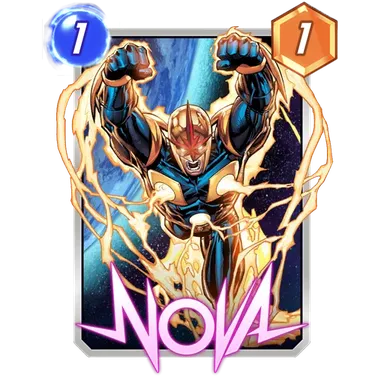
Later in Episode 152, I suggested placing Nova where an opposing Thanos Fractured Frontier could destroy it. The idea was to benefit from something the opponent wanted to do anyway. KM pushed back on calling that a counter because the card could still do several other things.
That is the appeal I was defending: if the interaction fits your plan, turning part of the opponent's play into a benefit has value. KM was making a stricter point about the label. Getting an upside from one part of an effect doesn't establish that you have answered the whole card or its deck.
Use that distinction when evaluating a tech choice. Describe the benefit precisely. Then check what the opponent still gets after it happens.
The Nova exchange is a dated example from that conversation, not a claim that Nova is the current answer to every Thanos Fractured Frontier deck. It illustrates why a satisfying interaction and a favorable matchup need separate evidence.
Make the proposed answer earn its slot
Try completing this comparison before changing the list:
| Question | What you need to identify |
|---|---|
| What is beating my deck? | The opposing sequence or source of Power that turns the position against you. |
| What does this answer stop or change? | The particular effect, location, or timing window it addresses. |
| What can the opponent do afterward? | The remaining payoff, alternate line, or Power you still need to beat. |
| What am I removing to fit it? | The points, consistency, or useful effect your own deck loses. |
If the opponent can make the same winning play after your answer lands, revisit the problem you assigned it. If it stops the important play but your deck now lacks the Power to win the other locations, evaluate that cost too.
The deck-role audit helps with the last question. Every added answer replaces something. A slot that looks expendable may be supporting the turn on which your deck normally wins.
Extra tech changes your own matchups
KM also described the tradeoff between fitting answers and retaining enough points for the mirror. In the August discussion, he raised the possibility of choosing more tech and accepting that the pilot would have to work harder when facing a similar deck.
That can be a deliberate choice. It still has a cost. Adding another answer doesn't automatically improve the whole list, and the source conversation doesn't supply a current play-rate number to make that decision for you. The mirror-match guide covers the in-game side of that tradeoff.
When you try the change, watch what happens after the tech card does its job. If you keep stopping the effect you targeted and losing to the remaining board, use those games to identify the next problem. The answer needs to improve the position you actually have to win.