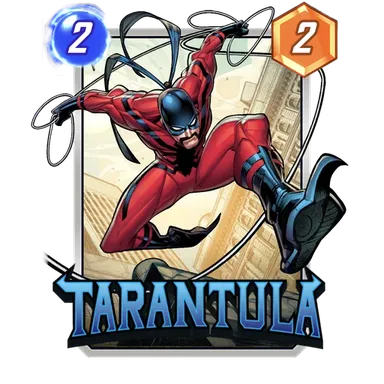
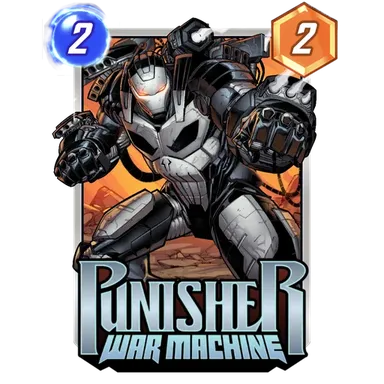
Tarantula is closer to good than Punisher War Machine, while his long-term home remains unresolved. The harder question is where he belongs.
Tarantula keeps asking for the wrong kind of support
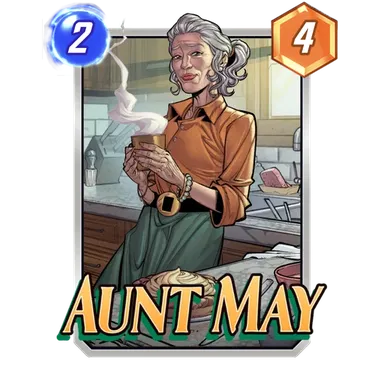
The comparison point was Aunt May. One speaker found Aunt May awkward in a Craven and Sam Wilson deck. When the draw was already strong, the preferred plays were elsewhere. When the draw was weak, she did not do enough to repair it. Tarantula produced the same feeling in those move-oriented shells.
Technoorganic Virus complicates the most tempting home. Tarantula refers to cards in hand, while the discussion identifies Technoorganic Virus as a skill. A skill cannot receive Tarantula’s power. That leaves Tarantula anti-synergistic with a deck that otherwise wants to play him.
The more surprising read is that Tarantula may prefer decks that bring an opponent down to his level. In those shells, he functions as a stats card that keeps sprinkling power around rather than as a centerpiece of a towering scaling plan. Both sides agreed he is closer to good than Punisher War Machine was.
A strong Tarantula test still had a Gambit-shaped asterisk
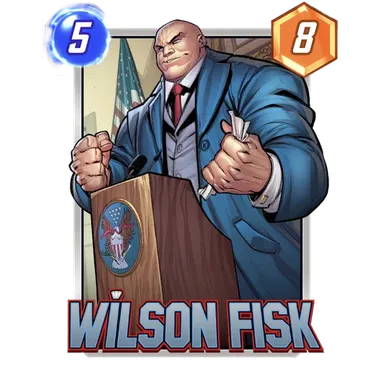
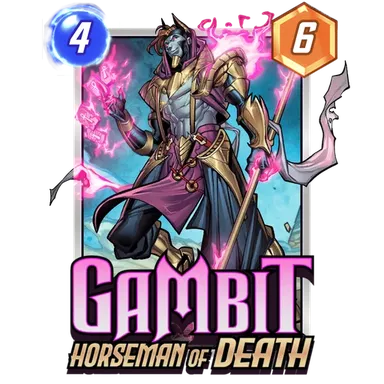
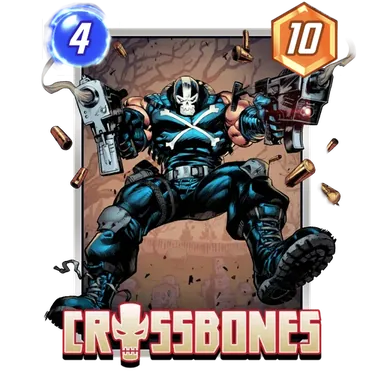
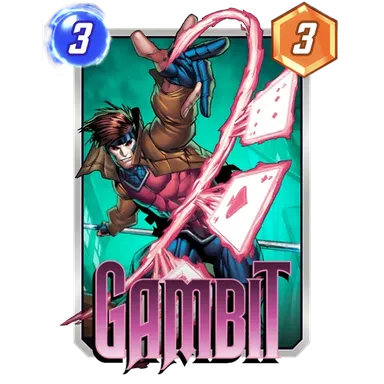
One test mixed Tarantula with Technoorganic Virus, Wilson Fisk, Gambit Horseman of Death. Tarantula and Crossbones were still named as the weak cards in the build. The other speaker supplied a cautionary joke: calling a Gambit deck the best home for a new card is inherently funny in the current metagame.
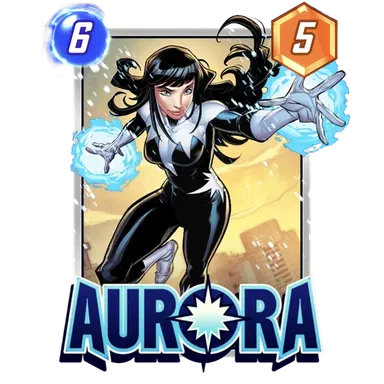
A suggested adjustment would change Tarantula’s text from cards to characters. For now, they described Aurora as the ‘okay, sure, this works’ home rather than a final answer.
Tombstone gives Phantom X a new isolation choice
Tombstone’s Phantom X line became compelling after a test. After facing an opponent using Moira X in place of Hood, one speaker built into that direction and reported getting close to Infinite. Phantom X was already described as a top-tier deck.
His appeal is the decision he creates. Which card should be isolated? The Moira X version also changed how Killmonger felt. The discussion contrasted using Killmonger defensively with the Hood line, where he can be needed to remove a negative-power card after creating a Demon. The speaker reported winning more games when Tombstone targeted Moira to create multiple Gambit Horseman of Death than from a Hood that produced a Demon.
Grandmaster offered attractive side lines. Moving Shadow King for another hit, repeating destruction, and repeating discard all sounded interesting. Air Walker was still the speaker’s tentative preference because the deck seemed better when it leaned more heavily into Phantom X.
For Tombstone, the practical starting point is a Phantom X build with Moira X, with Air Walker as the tentative preference when leaning further into Phantom X.
Null keeps Destroy from learning a new shape
Tombstone was considered an upgrade over Deathlock in Destroy. That alone does not solve the archetype’s wider issue. One side criticized Destroy for relying on an older construction, stacking cards that say destroy with cards that reward destruction while giving too little attention to the opponent or the current metagame.
One proposed route cuts Null to make room for Shadow King and Juggernaut and move the deck toward a more interactive mid-range axis. Yet the mirror matchup can punish the attempt. If one Destroy player cuts Null and another retains it, the Null version can beat the experiment before it has enough time to develop.
The show called that the Destroy accordion. Each new Destroy card invites players to try a more flexible shell. Then the old Null plan pulls them back. Tombstone may be better than Deathlock, but its release does not automatically resolve that structural trap.
The balance discussion also covered cards that fall from dominant to absent. One speaker said it would be nice to revisit cards whose playstyles disappear completely, while acknowledging there may be balance constraints they could not see.
The Gambit argument was also an argument about how to argue
A personal wish list in the discussion included nerfs to Gambit Horseman of Death and Captain Carter, plus buffs for cards that had fallen away. A community-focused answer still began with Gambit, then called for reverting the nerfs to X23 and Colleen Wing. They also challenged the language players use around balance. Saying a card “needs” a change can turn a case for a better play experience into a demand. One speaker argued that the stronger balance case explains how a change could improve the game while recognizing that no metagame will please everyone.
That restraint did not erase the Gambit concern. The show’s tournament discussion included bans involving Captain Carter and Mercury, then named Gambit Horseman of Death separately. Better balance arguments should be precise rather than absolute. Gambit Horseman of Death still came back as the card they wanted changed.
Continue with the full Marvel Snapcast episode: the original episode.