Snapcast Ep. 132 starts with bugs and quality-of-life frustration, but the bigger competitive thread is about where MARVEL SNAP’s attention should go: Gauntlet, tournament play, and helping players understand good decisions under pressure.
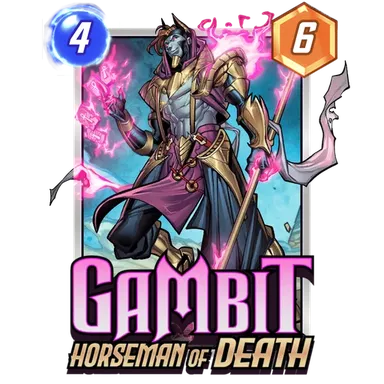
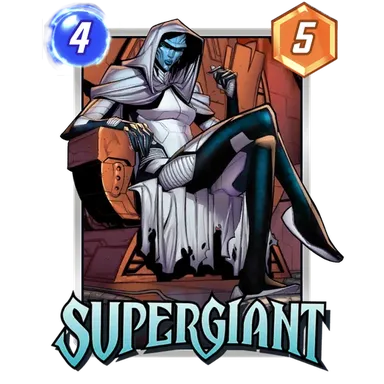
The episode moves through Gambit Horseman of Death, Supergiant, fan card design, translation issues, featured packs, and competitive improvement. Underneath all of it is one argument: MARVEL SNAP gets better when the game gives serious players better tools, clearer formats, and fewer distractions from the actual decisions that win games.
The Short Version
- Technical debt matters because even small client friction makes deck-building and play feel worse.
- Gambit Horseman of Death is a strong design that immediately reshaped the meta around show-style decks.
- Supergiant rewards deep matchup knowledge and is not a simple “play this card, win” solution.
- Gauntlet-style formats are valuable because they test recognition, adaptation, and repeatable decision-making.
- Competitive improvement comes from lowering your own mental load while increasing your opponent’s.
The Client Friction Still Matters
The episode opens on a familiar frustration: updates that are supposed to improve the game can still make basic actions feel worse. Waiting longer to add cards to a deck sounds small until you remember how often players build, edit, and test lists.
That is what technical debt does. It does not always arrive as one catastrophic bug. Sometimes it shows up as layered annoyances: awkward borders, slow interactions, visual issues, and features that feel like they were added on top of an already strained client.
A competitive game needs the client to get out of the way. Every delay between an idea and a deck makes testing feel worse.
Gambit Was Great Design With Immediate Consequences
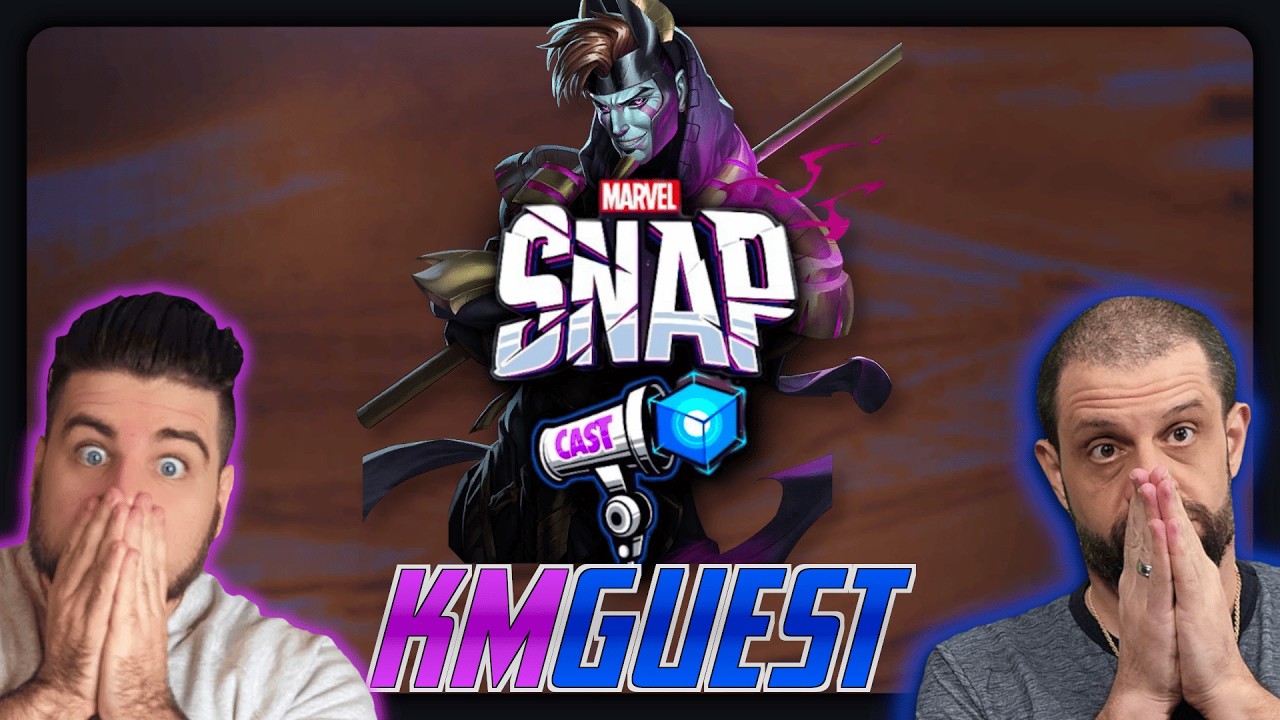
Gambit Horseman of Death gets a lot of attention because the design is legitimately strong. As a concept, it is one of the better reimaginings of a card space: disruptive, flavorful, and capable of changing how players build boards.
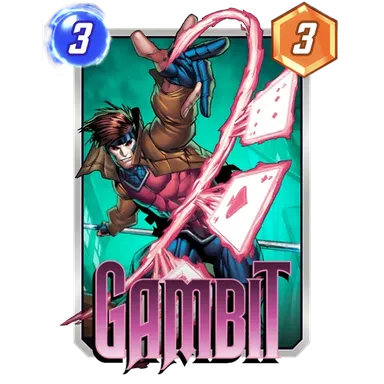
The meta impact was immediate. As long as players are maxing out on Gambits, Invisible Woman-style and show-style decks have to respect that pressure. The card pushes people away from certain fragile low-cost setups and toward decks that can either dodge the targeting or win through it.
That is good design doing real work. The only caution is whether players over-index on the coolest version instead of the most consistent version.
The First Week Always Encourages Overbuilding
New card weeks make players test the ceiling. That is normal. Everyone wants to know how many copies, triggers, bounces, or synergies they can force before the deck collapses.
With Gambit, that temptation is especially strong. The all-in versions look incredible when they work, but they can also fold when they hit an unfavorable matchup and have no backup plan. Sometimes the correct use of a powerful new tech card is simply putting one or two copies into an already good deck.
Star-Lord demanded heavy commitment. Gambit may not. That distinction matters.
Supergiant Is A Skill Card, Not A Shortcut
The Supergiant discussion is one of the most useful competitive parts because it highlights how much hidden decision-making the card creates. Playing Supergiant well means thinking about priority, face-down cards, Negasonic timing, Ronin lanes, and what the opponent is likely to do on the final turn.
That is not easy to teach in one clean rule. It comes from matchup knowledge and reps. You need to know when you want priority, when you do not, when a face-down card is vulnerable, and when the opponent’s deck is telegraphing a specific final-turn pattern.
Supergiant is powerful because she rewards that knowledge. She is not powerful because she removes the need for it.
Gauntlet Highlights The Right Kind Of Learning
Gauntlet-style play matters because it forces players to learn more than one matchup and more than one turn pattern. Ladder can reward autopilot. Gauntlet asks whether you can recognize what the opponent is doing, adjust after a game, and make better decisions with new information.
That is why repeat-game formats are valuable. They train recognition. They let players move from “what is my deck trying to do?” to “what is my opponent likely to do now that I have seen their plan?”
It also explains the “play dumb guy decks” point. That is not an insult. It is a competitive principle. A good deck can reduce your own chances of making mistakes while making the opponent solve the harder puzzle. The more mental energy you spend executing your own basic plan, the less you have left for matchup reads, priority math, and snap/retreat decisions.
That is the competitive muscle MARVEL SNAP should keep building around: cleaner plans, sharper recognition, and decks that justify whatever mental load they create.
Final Takeaway
Gauntlet deserves priority because it points MARVEL SNAP toward the parts of the game that make it great: recognition, adaptation, pressure, and decision-making.
Fix the client friction because serious testing needs a smooth tool. Celebrate cards like Gambit when they reshape decisions without ignoring consistency. Treat Supergiant as a skill test, not a shortcut. And build decks that make your opponent think harder than you do.
That is the version of MARVEL SNAP worth investing in: fewer distractions, cleaner competition, and more games decided by the player who understood the matchup first.