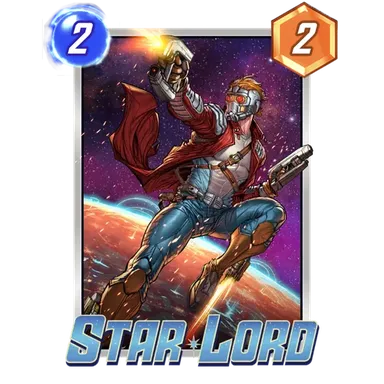
The Star-Lord debate is not really about whether one card is strong. It is about what happens when a card gives decks so much energy that the normal costs of bad sequencing, skipped turns, and greedy deck-building start disappearing.
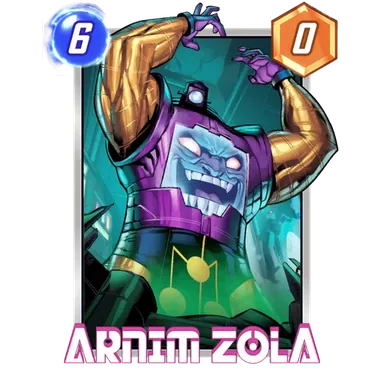
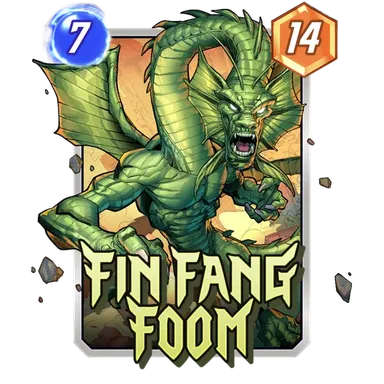
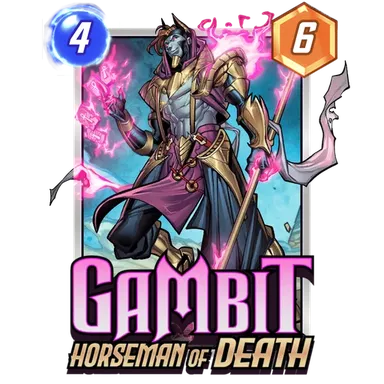
That is why the conversation keeps circling around Star-Lord, Arnim Zola, Fin Fang Foom, Gambit Horseman of Death, and duplication effects. The issue is not one highlight. The issue is that too many cards are letting players double, copy, or cheat the part of the game that is supposed to be constrained.
The Short Version
- Star-Lord’s biggest problem is that he enables decks to do almost nothing early and still explode late.
- Modok/Hela and Zola lines show how energy cheating can erase normal deck-building costs.
- Arnim Zola may be the card most joined at the hip with the most frustrating Star-Lord patterns.
- Gambit Horseman of Death has a good mechanic, but the current accessibility makes it feel toxic.
- The larger balance issue is free stats plus duplication, not just one card’s number.
Star-Lord Lets Greed Become Normal
The most damning version of the Star-Lord deck is simple: do very little for four turns, play Star-Lord, then use the extra energy to create an endgame that should not fit inside a normal turn.
That is the kind of pattern that makes players feel like the early game stopped mattering. MARVEL SNAP can handle powerful turn-six plays. It can handle combo decks. What becomes frustrating is when the combo deck does not pay enough for skipping the normal fight over lanes.
Star-Lord is not just a stat stick in those decks. He is the card that turns greed into a plan.
The Modok/Hela Line Shows The Real Pain Point
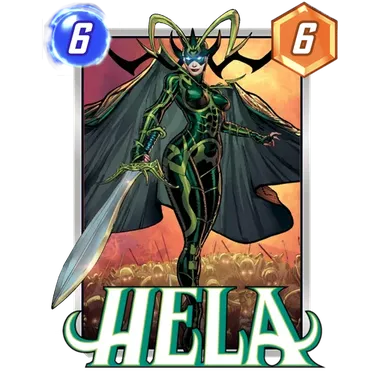
The Star-Lord into Modok/Hela line is the clearest example because it compresses too much payoff into one final turn. Hela already asks opponents to respect a big swing. Star-Lord gives the deck the energy to make that swing cleaner and less interactive.
That does not mean every Hela deck is suddenly evil. It means this specific version makes the usual weaknesses harder to punish. If the opponent can spend the first half of the game setting almost nothing up and still present a board you cannot answer, the format starts feeling warped.
A good nerf has to hit that compression, not just make the final number slightly smaller.
Arnim Zola May Be The Cleaner Target
One of the sharpest points in the discussion is that Star-Lord and Arnim Zola feel joined at the hip. Star-Lord creates the energy. Zola converts that energy into duplicated nonsense.
Fin Fang Foom probably survives in other decks because he is simply a giant dragon. Zola is more specific. He is the card that turns a single threat into multiple threats and makes the Star-Lord ceiling feel outrageous.
That does not automatically mean Zola deserves the hammer. It does mean any Star-Lord fix that ignores Zola risks leaving the most frustrating play patterns intact.
Duplication Is Fun For One Player
The uncomfortable truth is that doubling effects are fun. Players love doing something twice. They love copying the big thing, replaying the big thing, and watching the board explode.
The problem is asymmetry. The player doing the doubling has a blast. The opponent often feels like they watched the game stop being interactive. When those effects also come stapled to too many free stats or too much energy, the fun becomes lopsided.
That is the broader balance lesson. Doubling can exist. It just needs to carry real costs.
Gambit Horseman Is A Good Idea With A Bad Access Problem
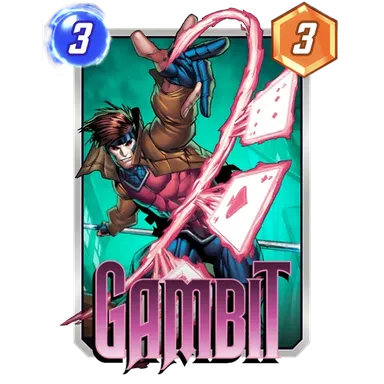
Gambit Horseman of Death is a strong design concept because it gives decks a way to interact with certain board states. The mechanic itself is not the villain.
The problem is how easy it can be to access, copy, bounce, and trigger. When a tech effect becomes too repeatable, it stops feeling like a clever answer and starts feeling like a blanket punishment for playing the game.
Moving the card toward a more expensive or more committed role makes sense. At four cost, for example, it becomes a real deck-building choice instead of something that too many shells can abuse too casually.
Final Takeaway
Star-Lord is a problem because he reduces the cost of being greedy. He lets decks skip too much of the normal game and still cash out with Modok/Hela, Zola, or other duplicated nonsense.
The fix probably cannot be only a small number change. The real issue is the ecosystem around him: free energy, huge late turns, and copy effects that multiply the payoff. MARVEL SNAP is at its best when unfair decks have clear costs. Right now, Star-Lord makes those costs too easy to ignore.