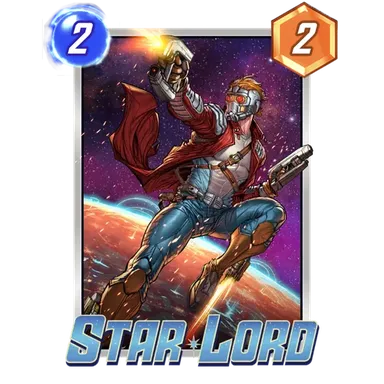
The OTA finally hit Star-Lord, and the first reaction is obvious: the stock crashed. The funnier comparison is Aaron Rodgers Jets merch in a clearance bin, but the real question is whether the card is dead or just pushed into a narrower role.
Snapcast Ep. 134 lands in that uncomfortable middle. The nerf is meaningful. The old decks are worse. But Star-Lord may not be completely gone, because the shells around him were always doing more work than one card.
The Short Version
- Star-Lord moving to five-cost, eight-power hurts the decks significantly.
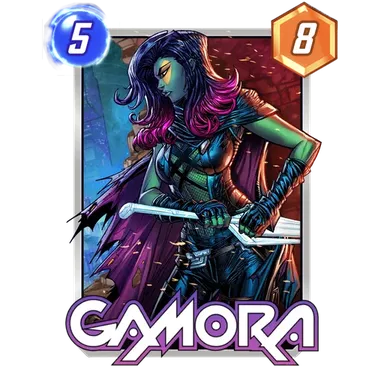
- The card now competes more directly with normal five-cost bodies like Gamora.
- The ramp shell may survive because extra energy still creates unfair turns.
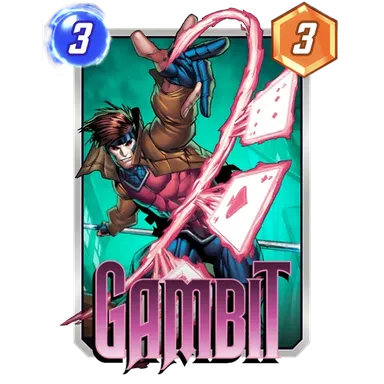
- Gambit and other OTA changes matter because they reshape what combo decks can get away with.
- The broader lesson is that season-pass nerfs always feel worse, even when they are correct.
Five-Eight Is A Real Nerf
Star-Lord at five-eight is not a tiny adjustment. It changes when the card can be played, how easily it fits into combo turns, and what it asks from the rest of the deck.
If you are playing him honestly on five, he now has to justify himself against cards that simply put power on the board. If you are playing him as part of a ramp or Zola package, the extra cost makes the sequencing tighter and the misses more punishing.
That is why the nerf feels correct and bad at the same time. It probably needed to happen. It still hurts.
The Deck May Not Be Fully Dead
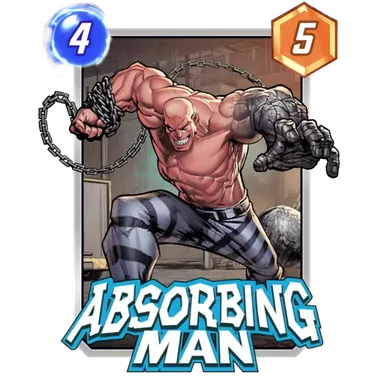
The important pushback is that Star-Lord decks were not just Star-Lord. They were energy decks, Zola decks, Grandmaster decks, Absorbing Man decks, and sometimes Negative shells.
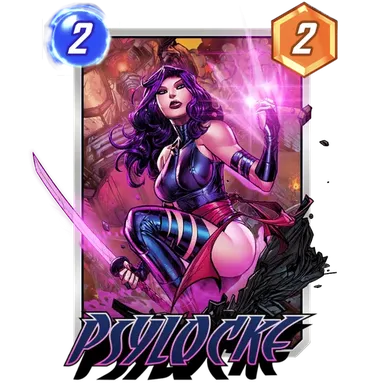
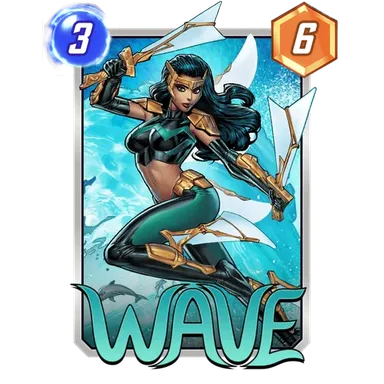
That matters because extra energy can keep broken structures alive after the headliner gets weaker. Psylocke, Luna Snow, Wave, and similar pieces still let players build turns that do not look fair. If the shell can still reach the important thresholds, Star-Lord may become less dominant without disappearing.
So the right conclusion is not “delete every Star-Lord list.” It is “retest the shell without assuming the old math still works.”
Season Pass Nerfs Feel Different
There is a reason this kind of change hits emotionally. When a card is tied to a season pass, players paid cash for access. Even if balance requires a nerf, it feels different from adjusting a random token-shop card months later.
That does not mean Second Dinner should leave overpowered season pass cards untouched. It means those cards need especially careful design. If the card launches too strong and gets hit quickly, players feel like they bought into a moving target.
Star-Lord is the kind of example that makes the community sensitive to that pattern.
The OTA Also Narrows Other Cards
The episode also digs into cards like Cannonball, where small power changes can have large role consequences. When a card drops into the same power band as Negasonic Teenage Warhead or Juggernaut, it stops feeling like a flexible play and starts feeling like it only exists for one specific job.
That is the hidden effect of OTA changes. They do not just change stats. They change whether a card has multiple reasons to be in a deck or only one.
Final Verdict
The Star-Lord nerf matters. The old decks are worse, and anyone pretending nothing changed is coping.
But the card is not automatically erased. The ramp infrastructure around him still needs testing, and the meta will decide whether the nerf was a correction or a burial. For now, treat Star-Lord like damaged stock, not deleted stock. Sell the old assumptions, then see if the shell still has a buyer.