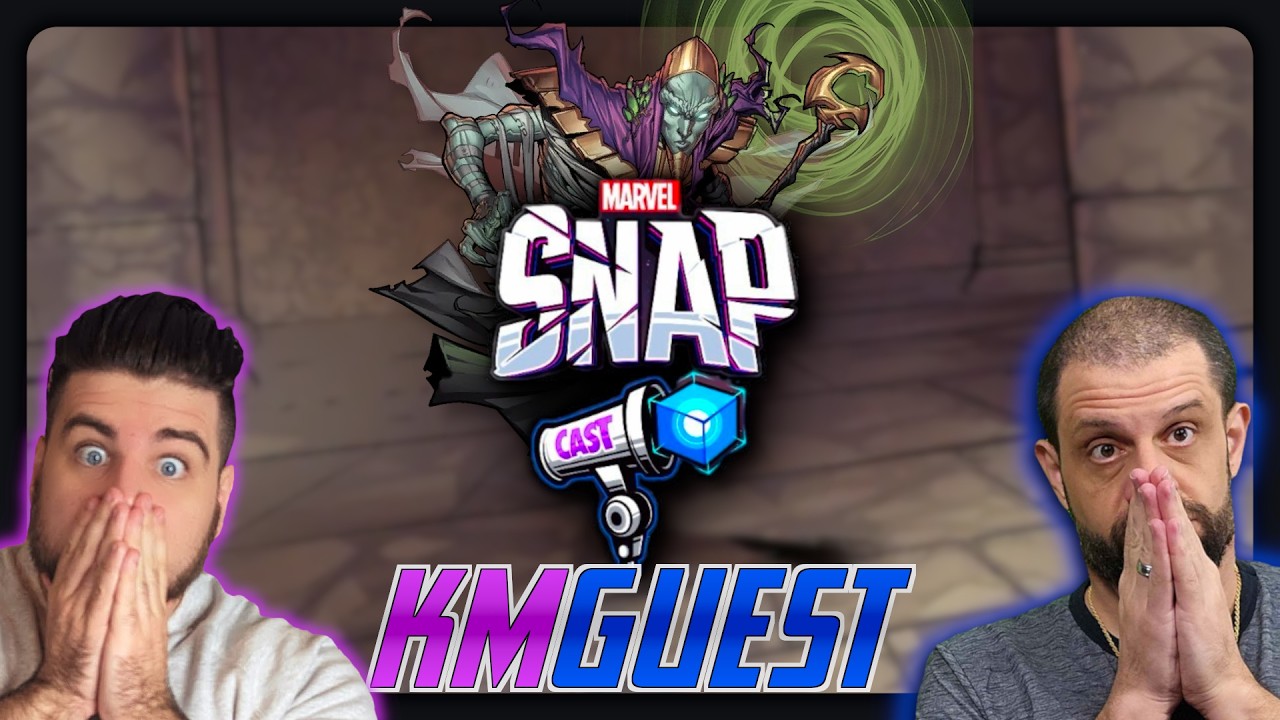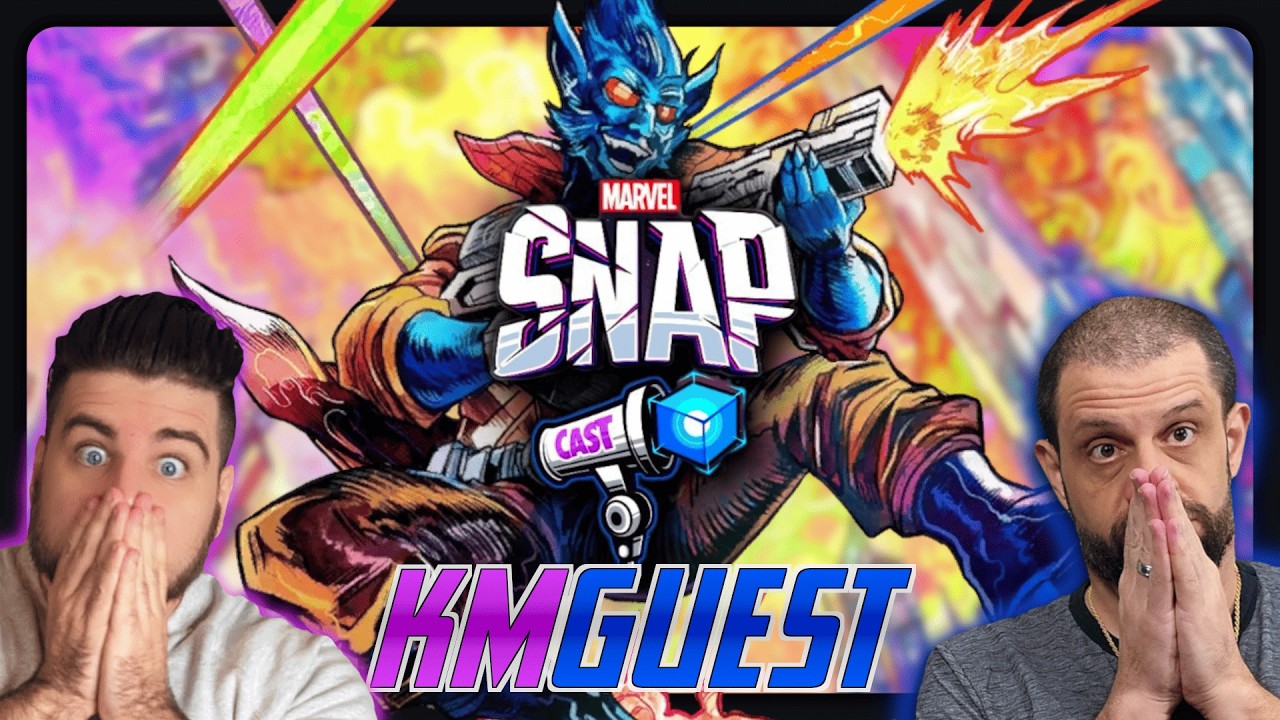
Marvel Snapcast Ep. 131 lands right at the start of the objective-card era, which makes the conversation less about one card and more about whether the new mechanic can actually support a season. En Sabah Nur is the obvious starting point, but the bigger question is what objectives add to MARVEL SNAP that the game did not already have.
A new mechanic does not need to be perfect immediately. It does need to prove that the work it asks from players leads to interesting decisions rather than awkward chores.
The Short Version
- Objective cards are exciting because they ask players to plan across multiple turns instead of only playing a single payoff.
- En Sabah Nur shows both the promise and the risk of the mechanic.
- Filling front-row positions creates real deck-building restrictions, especially in a board-space game.
- The payoff has to be strong enough to justify the setup but not so automatic that every objective feels scripted.
- The mechanic will live or die based on whether future objectives create different play patterns.
Objectives Are A Big Design Bet
MARVEL SNAP already has plenty of cards that ask for setup. Destroy wants destroyed cards, discard wants discarded cards, move wants positioning, and combo decks want specific sequences. Objective cards formalize that idea in a cleaner way: complete the stated task, then unlock the real payoff.
That is exciting because it gives Second Dinner a new lever. Objectives can reward board placement, card generation, spending patterns, lane control, or sequencing. They can also give players visible goals that both sides understand.
The danger is that visible goals can become repetitive. If the objective is too narrow, every game starts to feel like checking boxes instead of making decisions.
En Sabah Nur Has A Board-Space Problem
En Sabah Nur asks players to fill front-row positions, which sounds straightforward until the locations and actual games get involved. MARVEL SNAP only gives so much space, and modern decks already fight over it constantly.
Token makers, Doom-style bodies, Mysterio, White Tiger, Squirrel Girl, Mr. Sinister, and similar tools can help complete the objective. But those cards also create a cost. You are spending slots and board space to transform En Sabah Nur, and the transformed payoff has to be worth that effort.
That is why the card can feel fun and still not fully convincing. The mechanic is interesting, but the objective is not free.
The Payoff Needs To Feel Like A Reward
The transformed side of En Sabah Nur essentially upgrades the lowest-power front-row card by replacing it with something better. That can create huge swings, especially if the deck is built to feed it weak bodies.
But the reward has to compete with simpler ways to win. If another deck can play a direct lane-winning threat without the same setup, En Sabah Nur has to offer either more power, more flexibility, or a unique angle.
The immediate buff helped because the first impression was shaky. More power makes the card easier to test honestly. Still, the central question remains: is the transformation worth building around, or is it a cool effect searching for the right shell?
Objective Cards Should Not All Ask The Same Thing
The future of the mechanic depends on variety. If every objective is just “do this checklist, receive stats,” the novelty will fade quickly.
The best objectives should change how turns are sequenced. They should create moments where players ask whether to complete the objective now, delay it for more value, or pivot because the opponent has disrupted the board. That is where the mechanic can become genuinely strategic.
Gambit Horseman of Death is a good contrast because his created-card requirement pulls deck building in a different direction. That is the path objective cards need: different asks, different payoffs, different homes.
Hype Can Outrun Reality
New mechanics always arrive with two bad takes attached. One side assumes the mechanic will break everything. The other dismisses it the moment the first card is not dominant.
Objective cards deserve a more patient read. The first few releases are going to be uneven because players are learning not just the cards, but the cost of completing objectives inside real games.
That said, patience is not the same as blind optimism. If objectives regularly require clunky play for modest payoffs, players will stop caring. The mechanic has to earn its space.
Final Takeaway
Objective cards are one of the more interesting design directions MARVEL SNAP has tried, but En Sabah Nur shows how delicate the balance is. The setup has to create decisions, not chores. The payoff has to feel earned, not mandatory or underwhelming.
The hype is justified as long as the mechanic keeps expanding into different kinds of gameplay. The reality is that each objective still has to prove it can win cubes.