Jane Foster Fractured Frontier is not garbage, but the testing did not support treating her as a broadly useful three-drop. Her effect has a visible ceiling: she judges four other random characters, giving power to yours and taking it from the opponent's, while Quick Draw repeats the effect. The problem is that the result is random, the timing asks a lot, and the card can compete with a better play rather than improving one.
The source kept returning to the same feeling: Jane Foster Fractured Frontier was a stat sprinkle. She could add points, she could steal a lane, and she could create a good turn. Those were not enough to make the average game feel like she belonged.
Quick Draw creates pressure instead of freedom
The Quick Draw text is the card's selling point, but it also narrows the windows where Jane Foster Fractured Frontier is exciting. To get the extra effect, she must be drawn and played on the same turn. The source framed that as pressure: when she arrives, the player feels encouraged to play her immediately even when another line might be stronger.
That timing is especially awkward because the effect is random. A targeted version that judged the lowest-power characters would provide planning room. The actual card does not. You cannot reliably build a sequence around which targets will receive the bonus or the reduction, so the supposedly large upside does not translate into dependable decision-making.
Zoo and plug-in builds were only okay
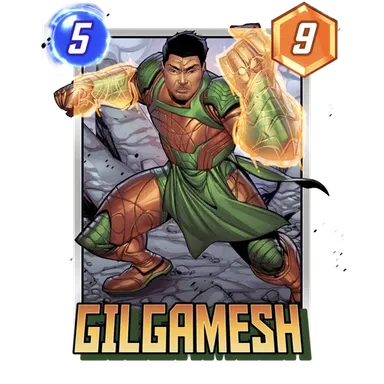
Zoo was the first attempt because it could put many bodies in play and offer targets for the positive side of the effect. Jane Foster Fractured Frontier worked there in the narrow sense that the card produced some wins, but she remained replaceable. Gilgamesh supplied surprise value in the shell, while Jane Foster Fractured Frontier did not lift the plan to another level.
A more generic Patriot-style experiment had the same result. It could make the card look reasonable on a curve, and it could occasionally swing a close lane, but it did not provide enough points for a confident recommendation. The source cited a middling high-rank record from the test and treated it as evidence against calling the build fantastic.
A focused Wiccan home makes more sense
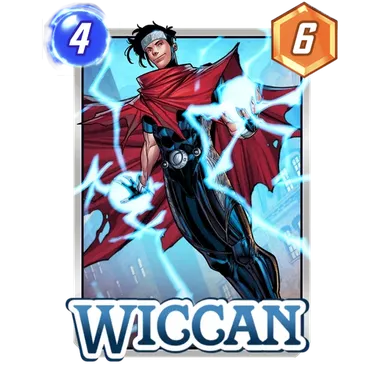
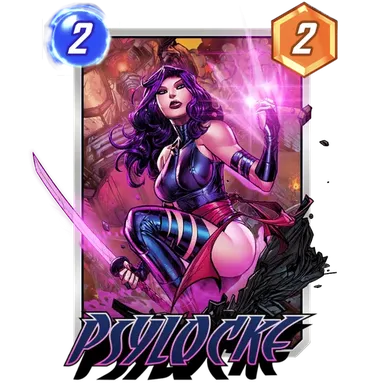
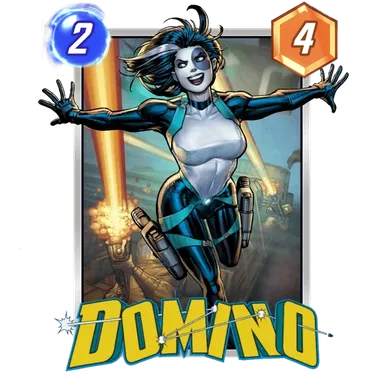
The recommendation became clearer once the testing moved away from plug-and-play shells. Jane Foster Fractured Frontier wants to be played on turn three, and a Wiccan line with Thanos Fractured Frontier, Psylocke Fractured Frontier, Quicksilver, and Domino can make that timing more deliberate. Those cards reduce the chance of an unwanted early draw and give Jane Foster Fractured Frontier a more structured job.
That does not turn the card into a universal pickup. It identifies the narrow place where the Quick Draw requirement is less of a tax. If you already have the season-pass package and want to play that Wiccan direction, Jane Foster Fractured Frontier has a reason to be there. Outside it, the source could not justify her as an Affliction piece, a generic backup three-drop, or a default addition to Zoo.
Verdict
Jane Foster Fractured Frontier is meh. She has moments, and the focused Wiccan shell gives her a credible home, but the random targeting and Quick Draw pressure make her too inconsistent for a broad token recommendation.
Watch the source video: the original episode.