Boomerang got a full day of testing across four different directions, and none of them turned a hard no into a recommendation. The issue was not that the card has no upside. The issue was how much setup it demands before that upside matters. It wants repeat activations, the right return tools, enough Affliction to make those activations count, and a board state that lets the opponent actually absorb the reduction. That is a lot to ask from a two-drop.
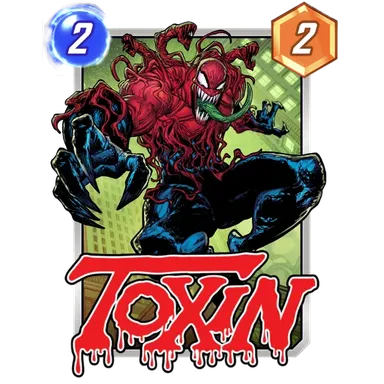
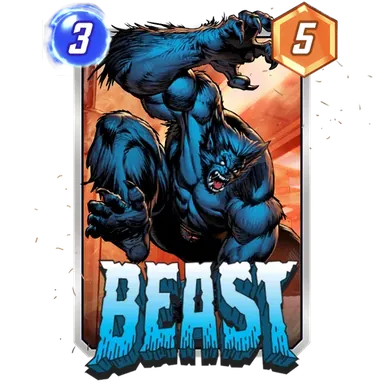
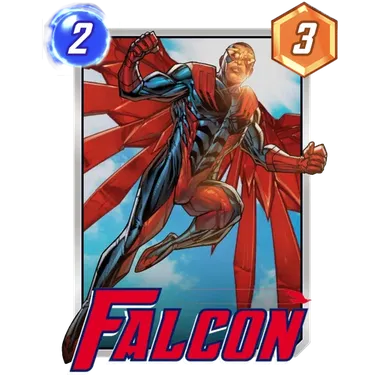
The starting point was Bounce. Boomerang needs to be replayed to get anywhere near the value players would want, which means cards such as Toxin, Beast, Falcon, and Grandmaster are part of the conversation immediately. That package can create turns where Boomerang looks respectable. The problem is that the sequence is demanding, and the deck is spending real energy and deck slots to reach a result that other packages achieve with less work.
The bounce line is too narrow
The strongest version tested was the Lin Lie Bounce shell with Boomerang, Jeff, and Grandmaster. It was the only list that finished above a fifty-percent win rate, and even that result was described as okay rather than good. Grandmaster was a bright spot in the shell; Jeff was the first card ready to leave. That tells the whole story. The list functioned when it leaned on a broader Bounce plan, not because Boomerang became a centerpiece worth protecting.
Boomerang's best turns also require its cost and timing to line up. If the card is played early, returned, and replayed, it consumes a large share of the turn cycle. If the draw is late or the return pieces are missing, it is a small body asking the opponent to cooperate. The test was not whether a perfect line exists. The test was whether the average game gives Boomerang enough room to matter, and the answer was no.
Affliction needs focused pressure
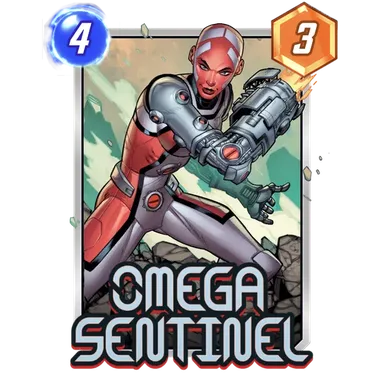
The Affliction builds ran into a different problem. Boomerang spreads small reductions, while cards such as Omega Sentinel create a more focused hit. Those patterns do not ask the opponent the same question. A single large reduction can reshape one lane. Small reductions spread across several cards only matter if those cards are played and the rest of the board does not outscale them.
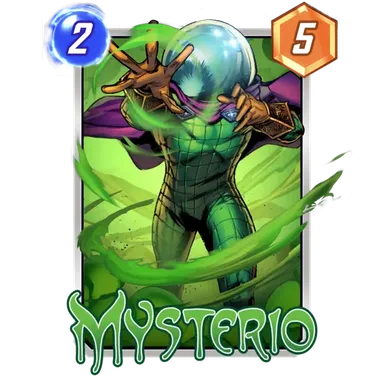
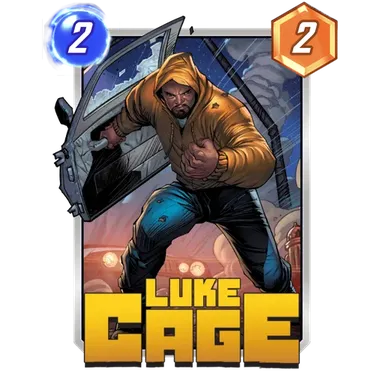
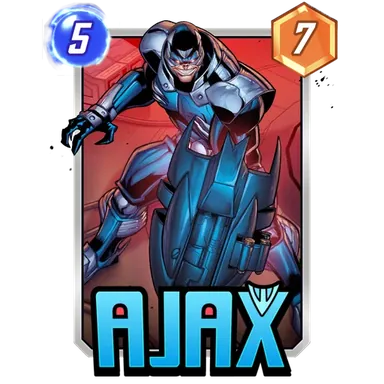
The Mysterio, Luke Cage, and Ajax direction had some fun moments, but the list still felt short on the final two cards. Mysterio also created ordering problems when the team tried to return clones. The control-oriented version with Jocasta and Omega Sentinel had a clearer idea, yet triggering Jocasta early just to double up Boomerang could mean giving up ground first. None of those experiments provided the missing payoff.
The meta passes it by
Boomerang has another practical problem: the surrounding format is full of larger four-, five-, and six-cost plays. The tested shells could build one strong lane, but the payoff did not keep pace with the other lanes or with the counterplay. Luke Cage remains a direct answer when Affliction becomes more common, and Bounce was not in a position to carry a demanding card on its own.
There may be a future version where Boomerang gets cheaper or where Bounce receives enough help to change the math. That is not the version tested here. Right now, it is replaceable in the decks that want it most and too conditional for the decks that do not.
Verdict
Skip Boomerang for now. The Lin Lie Bounce list was the closest thing to a workable home, but even there Boomerang was supporting cast. The testing found a card with a ceiling, not a card with a reliable route to reach it.
Watch the source video: the original episode.