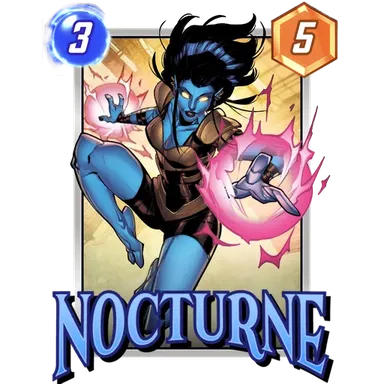
Nocturne may be a game-feel problem if she becomes good and common across too many decks. The fear is a flexible card with location control, a movable body, and enough flexibility to see consideration across unrelated decks.
Nocturne Could Flatten the Games Around Her
The case against Nocturne is about texture. Location control can reduce the impact of RNG, even though Nocturne's own location replacement also involves RNG. When a good movable card can reduce the impact of RNG, stronger players may get more chances to turn their location control, movement, and final-turn math into wins.
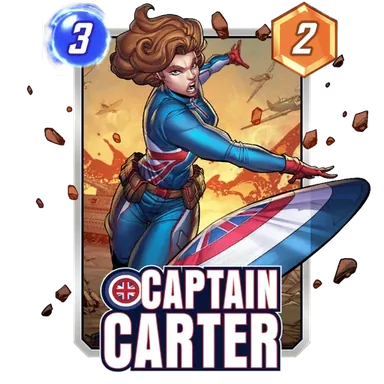
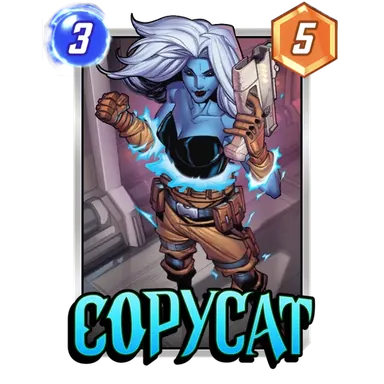
Nocturne's possible homes are broad: Super Giant, Technoorganic Virus, Silver Surfer, and Captain Carter combo. That range is the warning sign. Nocturne does not need a narrow synergy package to earn consideration. She can compete for the generic flexible slot that Copycat had been filling, while also offering movement and location control.
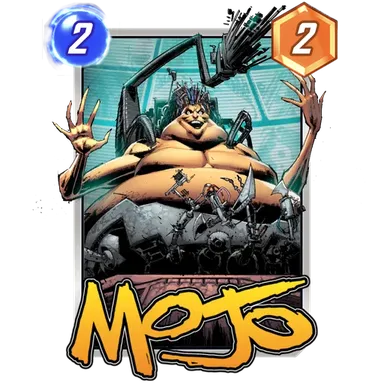
That does not mean Nocturne only rewards top players. A favorable random location can still hand a less experienced player a win, with Mojo World offered as the example. The difference is that strong players are better positioned to recognize when a move is overwhelmingly likely to help and when location control should be spent.
The real concern, then, is play rate. Nocturne may never become a balance emergency, yet still become very good and very common. If she spreads through too many decks, the metagame risks losing some of the distinct pressures that locations create. That is why the change feels more dangerous as a widespread location-control tool than as a raw power spike.
Websling's Extra Power Has More Than One Read
Websling may be the change with the widest room for experimentation. Its wording still makes one of your cards at its location movable next turn, while adding a clause that grants +1 Power when that card moves. The unanswered question is how the added Power works when a card moves multiple times during that next turn.
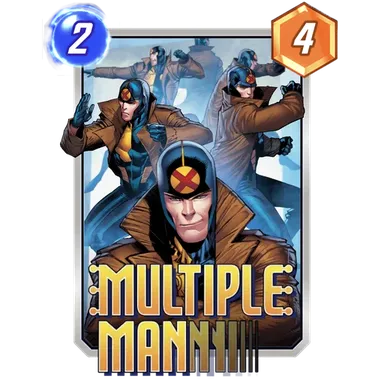
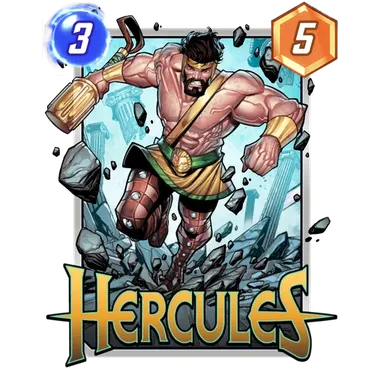
One limit is clear. The bonus cannot keep applying for the rest of the game, because the effect says next turn. Multiple moves within that turn remain the interesting branch. Multiple Man moved into a Hercules location was raised as the kind of case that could reveal whether Websling grants a single static bonus or rewards each qualifying move.
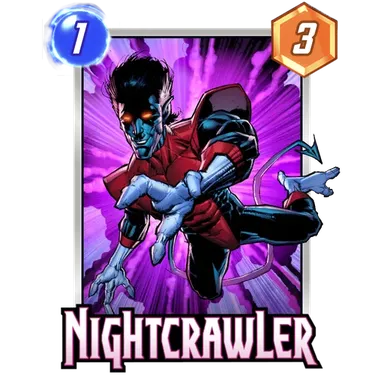
One side of the debate sees that distinction as a modest difference. Move already has competition among cheap movers, and Websling does not replace every job Nightcrawler performs in Captain Carter combo. The other side sees the extra Power as the key to making Websling much more plug-and-play than its role in move decks alone suggests.
There are concrete reasons to test that broader claim. Websling can help clear a lane for Galactus, and it was already being used in Zombie Galacti to reposition a body. The card may still be at its best in move, but its flexibility is the part worth watching.
Jubilee Silver Surfer Still Needs a Home
Jubilee Silver Surfer still lacks a deck that clearly benefits from its effect, and the buff may still leave it mediocre.
Her tension is timing. She affects the final two draws, right when many combo decks have already begun mapping their endgame. A player who spends resources on Jubilee Silver Surfer wants to extract every possible point, yet the affected draws do not provide the ordered, specific setup that the Maverick space tends to reward.
That is also why the Namarita comparison matters. In a Thanos deck full of Stones and draw effects, a cost reduction on Stones can be more valuable than a Power increase. Jubilee Silver Surfer can fit into lists as a backup plan, but no deck clearly wants her above its established options. The design seems to want an earlier opportunity to apply its effect, even if moving in that direction could create a future balance risk.
For now, Jubilee Silver Surfer looks like a card to test rather than a reason to force an existing deck into a new shape.
Topaz, Aurora, Debris, and Nega Sonic
Topaz is a nerf for players already using the card, even if the new version may have a place. Its design is restrictive by nature: play it on an outside location, then move a later card toward the middle. That can feel pigeonholed, but it also fits the puzzle-solving rhythm of move decks, where restrictive pieces and open-ended movement coexist.
The expectation is not that Topaz suddenly belongs everywhere. The more realistic outcome is one deck where Topaz becomes a later inclusion and an option for players who want that middle-lane pattern. Topaz also echoes Grandmaster’s side-lane-to-middle pattern.
Aurora creates the sharpest disagreement among the nerfs. One speculation is that Aurora may have caught a stray because an easy deck was performing too well in ranked play. Another reading is that Aurora is the indirect hit for Venus, leaving the premium Venus card intact while trimming a well-rounded deck around it. One practical forecast was that Aurora would remain in the deck rather than be replaced.
Debris and Nega Sonic land closer to conventional tempo adjustments. Debris had become a top-rate stat stick in decks that turn her supposed downside, the extra bodies, into an upside. That made the loss of a point of Power understandable. Nega Sonic's loss of a point is easy to accept given how durable the card has been.
Wilson Fisk's unchanged status feels more surprising than either the Debris or Nega Sonic adjustment.
Namarita Has a Thanos Case, While Triton Has a Question
Namarita's strongest case is Thanos. The deck draws cards and has a lot of one-drops.
That explains why Namarita is more compelling there than in the ramp test. Ramp could use Namarita when it found the right follow-up, but the ramp test did not make that pattern reliable enough to make the card a main reason to play the deck. Namarita is a useful tool with a clear Thanos argument, not a universally proven package.
Triton produced the stranger discovery. Its buff can apply to a card in the graveyard, creating a possible Phoenix Force angle. It is not established whether that behavior is intended, and a bug report was submitted. Until that is resolved, the interaction is a testing note rather than a dependable reason to choose Triton. Even the more favorable view only frames Triton as a possible final slot in Captain Carter combo.
Grand Arena Found the Right Direction, With a Balance Catch
Grand Arena was described as the best iteration of the mode so far. Massive Melee gave creators visible ownership through decks and in-game names, while the staged deck announcements gave players a reason to anticipate the mode before it arrived. That buildup created conversation around which deck would be revealed next instead of dropping every detail at once.
Creator ownership can create a balance tension. Creators have an incentive to submit the strongest deck they can, because a powerful deck puts their name in front of more players. Developers have the separate responsibility of keeping the mode healthy. If a creator deck needs to change, developers still have to balance the mode against creator ownership.
The Hulk deck was discussed as a possible leading concern, with the Thing deck also named as a possible concern. Those outliers do not erase the format's successes. They show why Grand Arena needs developer intervention after creator input, especially when the field contains 21 decks and a few of them can rise above the rest.
One view was that Untapped made this look like one of the more-played Grand Arena iterations, while acknowledging it does not represent the whole player base. More importantly, the format gave players a choice in how much they wanted to engage with it. Grand Arena is moving in the right direction, provided future versions keep the creator excitement and handle balance without pretending the two incentives are the same.
Watch the full Marvel Snapcast episode: the original episode.