Coming back to MARVEL SNAP is exciting, but the game is not the same one a lot of players left behind. Card acquisition changed, Snap Packs changed the way resources convert into progress, and the meta moves fast enough that old instincts can quietly burn cubes.
The biggest returning-player mistake is trying to catch up emotionally. Opening everything, buying the first shiny bundle, copying the first deck that looks broken, and snapping like the old ladder still exists will make the comeback feel worse than it needs to. The better approach is slower, cleaner, and much more profitable: protect your resources, rebuild your fundamentals, and learn what the current game is actually rewarding.
The Short Version
- Do not open Snap Packs blindly just because opening rewards feels good.
- Treat gold, tokens, and bundles as collection tools, not impulse purchases.
- Rebuild around Series 3 staples and flexible tech before chasing narrow new cards.
- Test popular decks before assuming they fit your collection or playstyle.
- Snap earlier when your plan is coming together, and retreat sooner when it is not.
Snap Packs Changed the Catch-Up Game
The first thing returning players need to respect is that card acquisition is different now. Snap Packs are not just another reward screen; they are one of the main ways your collection moves forward. That makes them powerful, but also dangerous if you treat them like free dopamine.
Opening packs without a plan can feel productive while still leaving you with awkward gaps. A returning player usually needs flexibility more than one flashy card. Before spending or opening aggressively, look at what your account is missing: core Series 3 cards, archetype anchors, tech options, and cards that unlock multiple decks.
The goal is not to own everything immediately. The goal is to avoid spending your way into a collection that still cannot build stable decks.
Stop Buying Bundles Without Doing the Math
Bundles can be useful, but only if they solve the problem your account actually has. A bundle with cosmetics, credits, tokens, boosters, or variants may look great on the surface, but returning players should ask one question first: does this move my collection forward in a meaningful way?
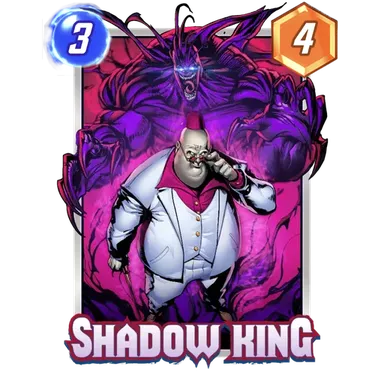
If the answer is mostly “it looks cool,” slow down. That does not mean cosmetics are bad. It means cosmetics should not come before rebuilding your card base. A player missing Shang-Chi, Shadow King, key archetype cards, or general tech does not need a gorgeous variant more than they need playable flexibility.
Gold and tokens are hardest to replace when you spend them badly. Make every purchase compete against the cards and resources that would actually help you win games.
Tokens Should Not Chase Every Hot Deck
The returning-player trap is seeing a new deck online and assuming the missing Series 4 or Series 5 card is the reason everyone else is winning. Sometimes that card is worth it. Often, it is a narrow piece that only works because the pilot already understands the archetype, the meta, and the retreat windows.
Before spending tokens, ask whether the card opens several decks or only one. Ask whether the deck still works without perfect sequencing. Ask whether the card is a long-term account upgrade or just the card of the week.
Guest’s warning here is practical: content creators can make a deck look amazing because they know exactly when to stay, snap, and leave. If the deck is intricate, expensive, and easy to misplay, buying one missing card may not buy you the results you saw.
Rebuild With Staples Before Flash
Series 3 staples matter because they are the bedrock of a playable account. Returning players can get tempted by newer cards, but cards like Shang-Chi, Killmonger, Shadow King-style answers, and flexible archetype tools are what let you survive different metas.
A good comeback deck needs more than a clean win condition. It needs interaction. If your list is all plan and no answers, you will lose to players who know how to punish greedy lanes. Tech cards give you agency when the opponent’s plan is stronger than yours on raw points.
That does not mean every deck should become a pile of counters. It means your deck should have at least a few ways to say no. MARVEL SNAP is too fast, too location-dependent, and too cube-focused to ignore that.
Do Not Marry One Archetype Too Quickly
It is comfortable to return to the deck style you used to love. The problem is that the only way to understand the current meta is to play more than one angle. If a newer archetype is giving you trouble, try it. If a deck keeps beating you, learn its setup turns.
That kind of testing pays off even if you never main the deck. You learn what the opponent is looking for, which lanes matter, when their snap is real, and when their draw has failed. That makes your own retreats and counter-snaps much sharper.
MARVEL SNAP rewards familiarity, but not tunnel vision. Have a comfort deck, sure. Just do not let comfort keep you from learning why the ladder changed.
Copy Decks Carefully
A deck can be good and still be wrong for you. When you see a list from YouTube, Discord, or social media, separate the deck’s power from the pilot’s mastery. Some lists are naturally consistent. Others need very specific reads, turn planning, or meta knowledge to perform.
Before investing resources, test what you can. Look at whether the deck has obvious snap conditions. Look at whether it still functions when you miss one key card. Look at whether it asks you to manage priority, locations, and tech timing in ways you are ready to handle.
The best comeback deck is not always the most impressive one. It is the one you can pilot cleanly for cubes.
Cubes Are Still the Real Skill Check
The final returning-player mistake is snapping too late and retreating too late. If you only snap after the game is obviously won, your opponent leaves and you gain one cube. If you stay after your draw has clearly failed, you donate cubes to someone else’s plan.
Coming back to MARVEL SNAP means relearning your confidence windows. Snap when your setup is ahead and the opponent has not seen the full picture. Retreat when the game is asking for a miracle instead of a realistic out.
That one habit may matter more than any single card you unlock.
Final Verdict
Returning to MARVEL SNAP is not about catching up overnight. It is about avoiding the mistakes that make catching up take longer. Protect your Snap Packs, spend gold and tokens with intent, rebuild around staples, test decks before buying into them, and treat cubes like the resource they are.
If you come back patiently, the game is much easier to re-enter. If you come back impulsively, MARVEL SNAP will happily take your resources and your cubes at the same time.