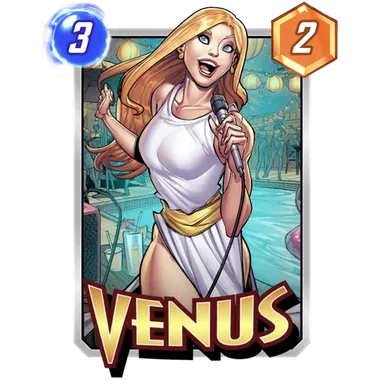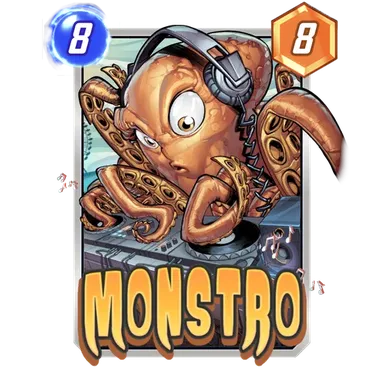
Right now, Venus is the best of the three cards from this testing. Jeff the Baby Dolphin is close behind, while Monstro is one you can pass on after more than eight hours of play. Jeff brings flexibility to the combo plans I want to play.
Venus makes the season pass decision
I would get the season pass. I would also look at the super premium season pass, because Venus and Jeff are a good pair together. Venus comes ahead of Jeff for me, even with Jeff close behind.
The first counterplay attempt stayed unfinished
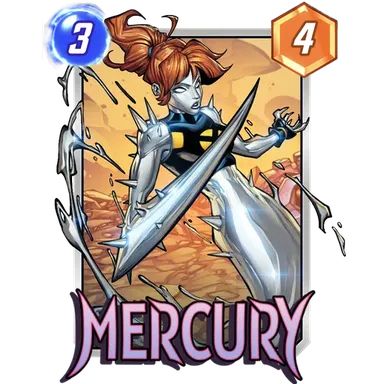
The early Mercury counterplay attempt never got where I wanted it. It was okay, but it never took off. I put that version aside to keep working on it rather than treat it as an answer. I was not sure Hydrob was right, and I was not sure Super Giant was right either.
I had a 60% win rate and plus 16 cubes in 15 games. That can sound good, yet it was not good enough for this deck because I felt it needed to be absolutely better. I am hanging onto the variation to tweak it, because some version is worth investigating a little further in a future session after more work.
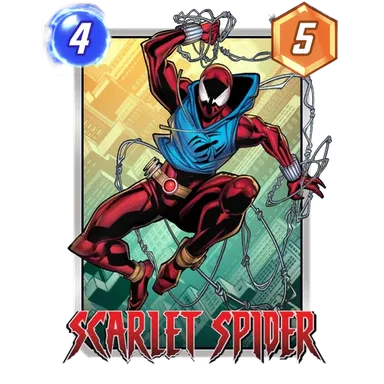
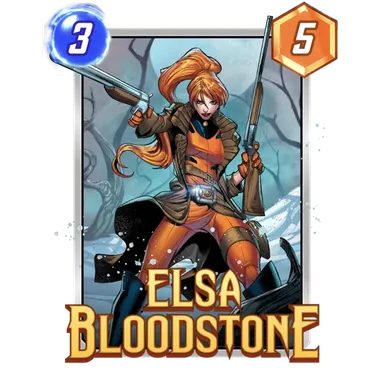
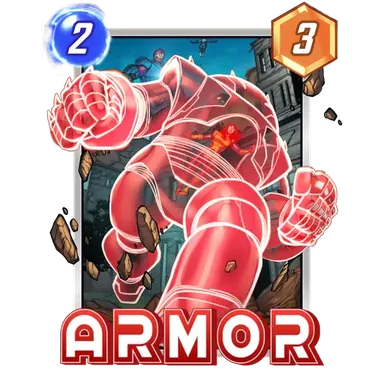
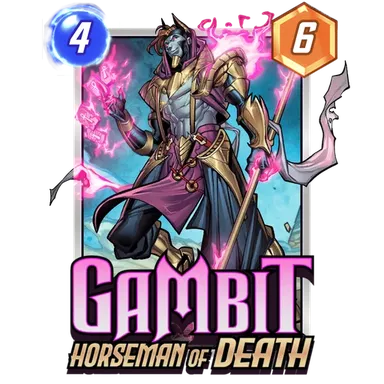
A later comparison gave me a clearer adjustment. My Scarlet Spider variations were not as good, while the Elsa Bloodstone variations were very good and beat me in several matchups. My first move was to take out Scarlet Spider and put in Elsa Bloodstone. I would probably take out Armor because I had barely seen Gambit Horseman of Death during the session.
Jeff changes the Venus plan
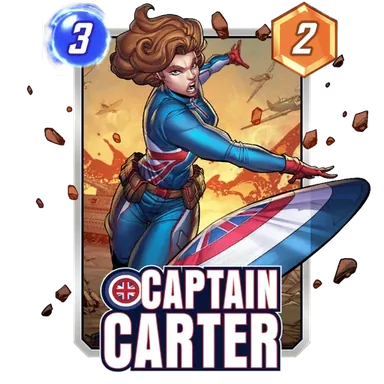
Captain Carter Chaos, or the triple C, was very good for me. That variation had 21 cubes.
Jeff changes what I want from the plan around him. I can push the combo plan with Jeff. Jeff gave me more value because he is cheaper and movable, exactly the kind of flexibility this deck wants.
My direction from there was a Venus-Surfer points combo. I am not the biggest believer in playing Venus on the Jeff lane. I am a believer in the two cards working together. We need more time to play test the combo together.
The Splat Surfer shell
I did not feel that I needed Silver Surfer First Steps or Sage, and I may test Human Torch First Steps.
The Star-Lord blink combo was really good here, and I think it is worth exploring further.
The play I liked was Venus on three into Storm on four, then blinking out the useless Storm. That sequence felt good, and I want to keep testing it in the Splat Surfer shell.
Rocket Raccoon and Groot offers Jeff a response
A separate experiment built around Venus and Cahori bonuses ended roughly even on cubes. It tried to do too much. I thought a much more linear game plan would have made more sense.
The useful takeaway from that test was Rocket Raccoon and Groot. I said that card needs to be played more right now. It is a hard counter to Jeff the Baby Dolphin. For weekend missions, I would build decks with Jeff plus Rocket Raccoon and Groot. That gives you a way to build toward the mission while bringing a direct answer to Jeff.
Monstro is one you can pass on
My best Monstro result was plus two cubes. You can pass on Monstro.
I did find a pairing that felt very good: Wave with Monstro. The individual reduction cards gave me a backup-plan angle that I liked.
Venus is where I would spend. If you are going to get the season pass, this is a month that the super premium season pass is worth it because Venus and Jeff are a good pair together. The condition remains important: I am not sold on putting Venus on the Jeff lane. Monstro gets the simpler answer. You can pass.
Continue with my discussion: the original episode.