I'd played more MARVEL SNAP in three days than I had in the previous three weeks. Draft did that. By the time KM and I recorded Episode 154, my voice was falling apart from streaming, and I still wanted to go back for another run.
That was our launch-week reaction in the episode published on August 28, 2026. The Draft opinions and OTA discussion below belong to that moment, including the disagreements. This is an account of the launch, with its early results and unfinished balance questions.
Draft gave us a reason to keep playing
I'd enjoyed those first few days as a creator and a player more than I had enjoyed SNAP in a long time. Getting to share the ridiculous turns with people reacting in chat was a huge part of it. New players and returning players were showing up, asking questions, and figuring the mode out with us.
KM already loved base SNAP. For him, Draft was the first additional mode that showed the potential to reach that same level. He had spent far more time streaming it than he normally gave a limited-time mode, even while struggling to work out how to turn a run into a good video.
That creator problem was specific. You could want to show a rare starter, or try to make an awkward archetype work, and never get offered it. KM wanted more opportunities to take those strange directions. The bad-looking run that somehow worked was part of the attraction. He also wanted to see less Regroup.
We were excited enough that the criticism needed saying out loud. KM described having to ask people in community spaces to let others be critical of Draft. A mode this good could still have problems. Shouting down the people pointing them out wasn't going to improve it.
Where KM and I disagreed about the next step
My argument was that Second Dinner should take the useful practices behind Draft and apply them elsewhere in SNAP. Whatever helped the team deliver something that felt this smooth deserved a serious look. Conquest and Deadpool's Diner were part of that conversation.
I kept coming back to the different ways people identified themselves: a ranked player, a Conquest player, someone who came back for limited-time modes. Supporting those groups gave people more reasons to stick around. I didn't need every mode to become as good as Draft to think the weaker ones deserved work.
KM disagreed hard. He saw a gap in the quality of the underlying game modes, and he didn't think more attention would necessarily close it. With limited development time, he'd put that time into Draft and into finding the next idea that could be as good. Making an older mode a little better wasn't the same opportunity to him.
We also disagreed about Conquest's place in the future. I saw it as a possible long-term pillar because it asked you to play SNAP differently. KM saw competitive play as a valuable option with a narrower audience, and thought the next major pillar might be something the game hadn't tried yet.
Those were proposals about where the game should go. Neither of us was announcing a development plan. We did agree that a strong launch needed follow-through. Better communication helped, but the team still had to keep doing the work.
The early Draft balance arguments
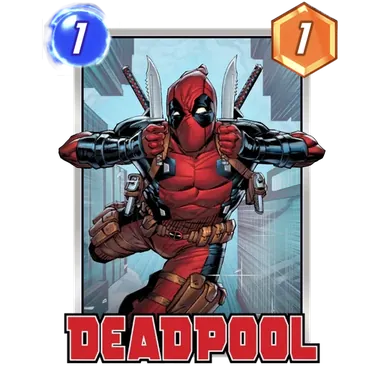
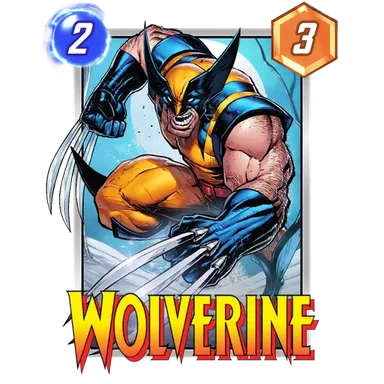
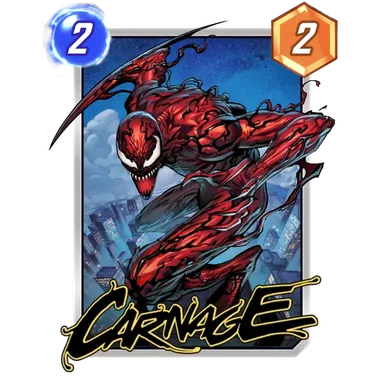
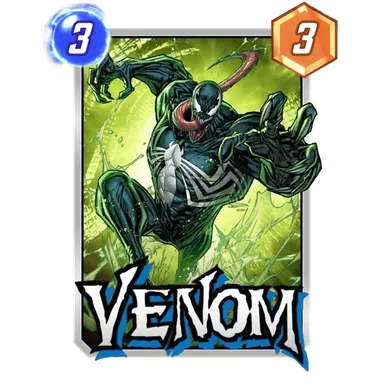
I thought Boost was better than the early praise for Destroy suggested. Destroy had ridiculous highs, and we talked about Wakandan Wolverine and Wakandan Superstar Deadpool as examples. It also had runs where the support never came together. Carnage and Venom in the starting package made that direction much easier to trust.
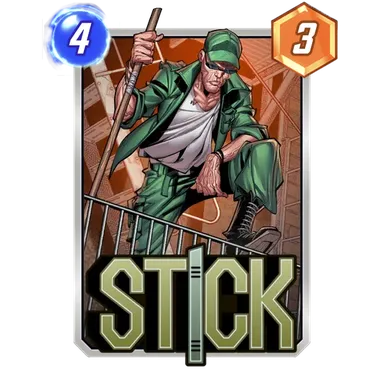
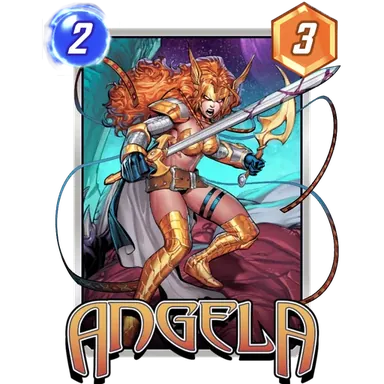
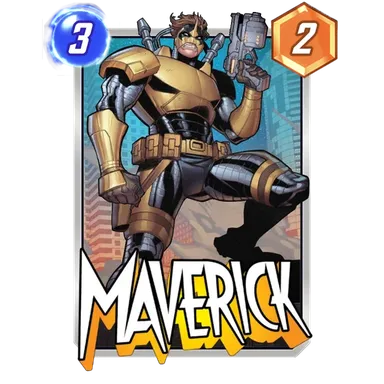
Boost offered more chances to change the plan as the draft developed. An Angela and Venus start didn't mean you should ignore Maverick or Stick when they appeared. You had to build around what the run actually gave you.
Stick was one place where the criticism was blunt: we wanted it out of the mode in that form. Wakandan also looked overtuned and too common to us during that first week. Those were launch-balance judgments, before the mode had time to settle.
Duplicates produced a different argument. I wanted a limit because a third copy could make the plan feel much too reliable. KM pushed back with the Black Panther example: if you drafted four, how many could you actually play? Extra copies could sit in hand, and Maverick or Stick might be doing more to win the run than the Panthers were.
We didn't resolve that by declaring one duplicate count correct. The disagreement was about how much consistency was worth, what those extra copies cost you, and which cards were really responsible for the strongest runs.
Why we were already questioning day-one results
The first starter rankings were aging while we talked about them. I'd covered Black Panther's strong early results, but when KM asked whether the same ranking still held, the answer was that those numbers came from the initial snapshot.
He raised a community theory about tickets being frontloaded and replenishing slowly: players burning through tickets could leave the queue sooner, while more practiced players remained. He also reported seeing fewer bots after his early runs. We discussed those as possible explanations for a harder-feeling field, without a controlled matchmaking study to establish the cause.
My own concern was pilot familiarity. Creators playing all day could learn a Destroy line quickly. A returning player meeting unfamiliar cards in that same package had a different job. I'd also noticed the game feeling different as more people arrived during the first few days.
That was already enough reason to put a date on a Draft ranking. A first-day result couldn't settle what every player's next week would look like.
Sam Wilson's nerf left the important argument intact
The OTA discussion started with Sam Wilson losing a point of base Power. KM's frustration was that the small body concealed how much he contributed to the decks around him. Movement, the additional body, and the value for Aurora and Batroc could matter far more than the number printed on Sam himself.
I read the adjustment as a move toward making him less of a generic inclusion while preserving his strongest homes. KM expected the same archetypes to keep playing him at essentially the same rate. Even our Doom 2099 example depended on which version of the deck we meant, particularly whether Aurora was part of it.
This was a prediction about that August change. We hadn't established the post-OTA outcome. The earlier Episode 152 balance discussion covered another version of this problem with Wilson Fisk: a small change could affect a support card and its surrounding deck differently.
Death, Spider-Sense, and Klaw needed different conversations
Death: Fractured Frontier got another look after her quick Power adjustment. I liked the idea of using her near the end of a Fantomex list for a specific repeat effect. The Gambit line needed a clarification during the show: play Gambit, destroy Gambit, then revive him. The idea wasn't that Death would bring back the cards Gambit discarded.
One useful revival could justify the slot to me. That still didn't make the surrounding deck good enough. We discussed the other pieces it needed, and how Luke Cage being played against Scorpion: Brand New Day could be even more painful for those Affliction experiments.
Spider-Sense got much less patience. In the change we were discussing, its cost rose from five to six while its On Reveal bonus rose from +2 to +3 Power for characters at its location. I called it a change because I still didn't see a reason to play it. We both wanted the team to give a struggling card a more meaningful chance, then adjust it if it became too strong.
Klaw had moved to four cost and two Power, with +6 Power to the location on the right. We thought the experiment had given up too much output, although we disagreed about how to put those points back. The later Antipolar Magneto discussion was explicitly speculation based on then-public information. It didn't establish why the designers made the change.
Thanos: Fractured Frontier brought the disagreement back
Thanos: Fractured Frontier closed the episode with a familiar question: how do you deal with a card showing up across so many midrange decks?
I wanted the Stones to point more clearly toward particular archetypes. The appeal was to give players more specific reasons to choose him instead of treating him as a good addition to almost anything. KM preferred changing the numbers first. He liked the card's flexibility and thought changing released functionality carried more risk than taking away excess Power.
He was happy for people to keep playing Thanos because they enjoyed him, provided the rate was reasonable. I thought clearer homes could preserve that appeal while reducing how generic he felt. We ended with that disagreement still open, rather than pretending we'd designed the same fix.
The full August 28 episode includes the longer Draft debate and all of the OTA exchanges. Later balance coverage is collected in the MARVEL SNAP OTA archive.