Change your MARVEL SNAP Draft plan when an offered card gives the cards you already have a better way to work together. A new direction needs something concrete behind it: support already selected, a payoff you can actually use, or a missing function that the offer fills. A powerful card with no workable follow-up can leave you with another unfinished plan.
Your opening trio establishes a starting point, as the starter packs and archetypes guide explains. Later choices still need to earn their place. Staying loyal to the first card you recognized can get expensive when the rest of the draft is asking you to do something else.
The Angela and Venus example
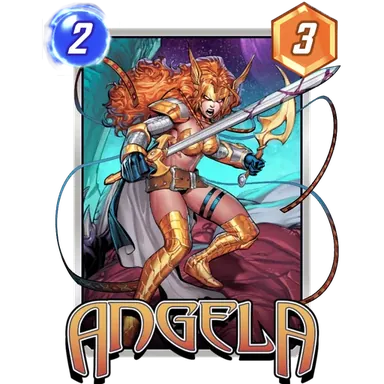
The August 28 Snapcast discussion used an Angela and Venus start to make a sharp point about adapting. The advice in that conversation was to take the later Maverick or Stick offer and let those cards redirect the draft, rather than continuing to treat the opening pair as its permanent identity.
That advice came from the hosts' view of those cards in the August Draft environment. The useful decision to carry forward is the change in what the player builds around. The next offer can become more important to the finished deck than the starter that made the first picks look obvious.
Before following that example, inspect your actual offer. The name alone does not establish its value. Its text, modifiers and relationship with your current picks determine whether you have found a better plan or just a card you would like to play.
Put the current plan into one sentence
Describe how your selected cards are supposed to produce a winning board. Include the part you still need to find. If your explanation ends with needing a specific card that has not appeared, that is a dependency to consider when the next offer arrives.
Then describe what changes if you take the new card. Which existing picks remain useful? What new support would you need? Does the offer remove a dependency, or add another one?
A move toward a different payoff can be a small adjustment when your support already works with it. A move that leaves several earlier picks with no useful role demands more from the choices that remain. Our constructed-deck guide to giving each card a job explains why a recognizable deck label is not enough to establish a working sequence. Its suggested slot counts do not govern Draft.
Support can leave you more room to adapt
In the August 25 starter analysis, I favored the flexibility of a starting package that already contained two cards to boost other cards. With that foundation selected, the remaining question was what else to boost.
That is a useful way to assess how much freedom your opening gives you. Broad support may have several useful partners. A payoff that needs one particular setup asks more of the offers still to come.
This does not make every support card an automatic pick. You can also end up with plenty of setup and nothing worth setting up. Look at which side of the relationship your draft already covers. A shared archetype label can hide different jobs that still need to be filled.
Compare the next playable version of each plan
When an offer tempts you to change direction, compare both plans using the cards you would own immediately after the choice. Include the actual Costs and effects. A proposed line that only works after another ideal offer is still a possibility, not a completed pivot.
Keep track of what works if the next selection is unhelpful. You may be able to retain part of the original plan while adding a different route. If taking the new card breaks your only workable sequence and replaces it with several missing pieces, the attractive ceiling needs to justify that risk.
The August conversation included strong opinions about how easy particular cards were to find. It does not give you a promise about the next offer. Before committing, name the improvement the card makes right now. If you can only explain how good it becomes after finding something else, keep that condition in the decision.