Take another duplicate in MARVEL SNAP Draft when it makes a useful play easier to find and your draft can still support that play. Before picking a third or fourth payoff, check what happens if you draw several copies together. You may be improving access while making the rest of the hand harder to use.
The August 28 Snapcast debate about duplicates captured that tradeoff well. One side described three copies as making the plan so dependable that wins felt practically guaranteed in those runs. The other pushed back with a four-Black-Panther example: if you could comfortably play only two, the remaining copies could occupy draws without contributing to the board.
That disagreement gives you a better way to inspect an offer than deciding that duplicates are always good or always excessive.
Separate finding the card from playing every copy
An extra copy has value even when you do not intend to play all of them. You can want more chances to find the payoff your draft needs. That was the strength emphasized in the episode: once the plan was clear, the next pick became easier to judge.
But access and usefulness after drawing are separate questions. If the hand already contains the payoff, another copy has to compete with the support you still need. A draft that repeatedly finds its finisher but cannot prepare it has only solved part of the problem.
Look at the cards already selected and name the job that remains unfilled. Do you need help setting up the payoff? Something useful to play earlier? A way to contribute to another location? Our constructed-deck guide on what each card contributes is useful for that distinction. Its suggested slot counts are not a Draft requirement; use the card's job to identify the hole in this draft.
Run the crowded-hand check
Imagine the next copy arriving alongside the copies you already have. Use the actual Costs, modifiers and sequence in front of you.
For the four-Black-Panther case discussed in the episode, the objection was that two copies could be played comfortably while the others could sit unused. That was a judgment about the example under discussion. It does not establish a rule that every Draft deck should stop at two Black Panthers.
Try this check on your own offer:
- Which turn would you play the new copy, and what play would it replace?
- Can you afford the support and the payoff in the order they need to happen?
- If several copies arrive together, does the hand still have a way to build the board before the payoff turn?
- What does the alternative offer solve that another duplicate leaves unresolved?
You do not need to know every future draw to answer. You need a plausible use for the pick and an honest account of what it costs you.
Read the modified copy as its own offer
Two cards with the same name may deserve different decisions when their Costs or added abilities differ. A cheaper copy might fit beside a support play that an unmodified copy cannot. An added ability might give that copy another use. Read what is actually offered before counting both as interchangeable.
Keep the terms clear. The official Draft guide distinguishes Stat Boosts, which change Cost or Power, from Augments, which add abilities. A discount is worth assessing on its own, even when the card also has an augment.
Use our Draft Augments and upgrades reference alongside the text of the offer. The relevant question here is whether the modification changes how many copies your draft can put to work.
Check what is making the payoff strong
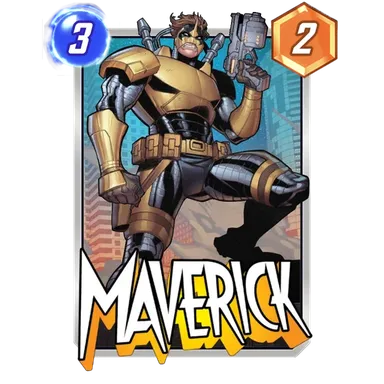
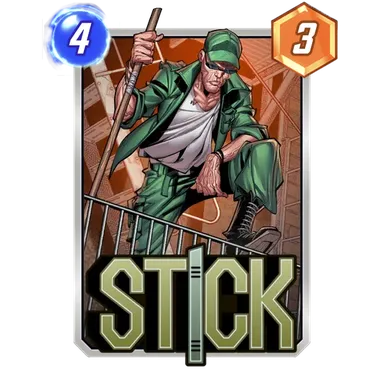
The Snapcast conversation eventually turned from the four Black Panthers to Maverick and Stick. The discussion credited those support cards heavily for the deck's strength. It is a useful warning about judging the most visible card without examining what made it powerful.
When the next duplicate appears, compare it with the supporting pick you are giving up. If the draft already finds its payoff but struggles to enable it, another payoff can repeat the problem. If the support is in place and missing the payoff is the weakness, the duplicate has a clear job. Make the selection that fixes the draft you have.