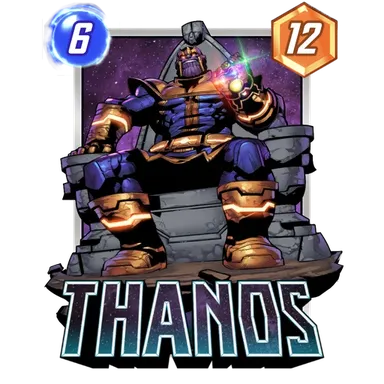
A discounted card can be worth playing before it becomes free if its Power helps you reveal first on the turn that matters. Waiting saves energy. Playing it now may create the window for the next card in your hand to do its job.
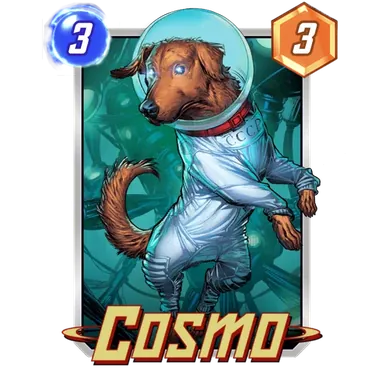
Mockingbird was the example in Marvel Snapcast Episode 153. KM Best relayed Hannah's Cat Cafe's reasoning about her Thanos build: sometimes you play Mockingbird on turn three to establish priority instead of waiting for another discount. The point was to enable the next interaction, including a Cosmo play against an opposing On Reveal setup.
That's a reason to spend. The cheaper version later has to offer something more useful than the opportunity you're giving up now.
Decide what revealing first would accomplish
Priority determines whose cards reveal first. Having it is useful when your next play needs to take effect before the opponent's card resolves. It is not an automatic benefit on every board.
Cosmo makes the timing question concrete. Its Ongoing effect stops On Reveal abilities at its location. Getting Cosmo into the right location before the opposing On Reveal happens is a different situation from playing it after that ability has already resolved. The source discussion used priority as a way to create that earlier window.
Start with the card you want to play next turn. Then ask whether putting your discounted threat down now gives that play a better chance to work. If you don't have a meaningful follow-up that benefits from revealing first, the argument for spending early is weaker.
The mirror-match guide develops the wider question of reveal order. Here, the decision is narrower: whether waiting for a cheaper card costs you the timing your next play needs.
Check whether the early play can change the board
Mockingbird on turn three was a specific example from Hannah's August build, not a guarantee for every hand. You still have to be able to afford the card, and its Power has to improve the relevant board position.
Look at where you could play it and how that changes the locations you are contesting. Account for what the opponent might add during the same turn. A strong card played early doesn't guarantee you will have priority afterward, especially if it only makes a lane you're already winning larger.
You also need a place for the follow-up. If your plan is to put Cosmo in a particular lane next turn, don't casually use the space that plan depends on. The early threat should help the sequence you intend to play.
Give the later discount a concrete job
Waiting can be correct. A further discount may let you combine the threat with another card you need on the final turn. That is a real benefit when the extra play improves your position.
Compare the actual lines:
| Play the discounted card now | Hold it for a later discount |
|---|---|
| Which location does its Power help contest? | What additional play does the saved energy make possible? |
| Which next-turn interaction benefits if you reveal first? | Does that interaction still work if you wait? |
| Where will the follow-up card go? | Will you still have room for the combined final turn? |
If the answer on the right is only that zero looks better than a number, you haven't identified a payoff for waiting. If the answer is a specific combination of cards that can win the game, weigh that against the earlier interaction. The broader sequencing guide covers when to play or hold your cards.
Pay for the window you need
The full Episode 153 discussion returns to Hannah's point when discussing how priority can threaten an opposing combo. Its value comes from the turn it enables, not from making the discount as large as possible.
Before holding the card again, name the play you are waiting to afford. Then name the play that spending now could enable. Choose between those two sequences while the earlier window is still available.