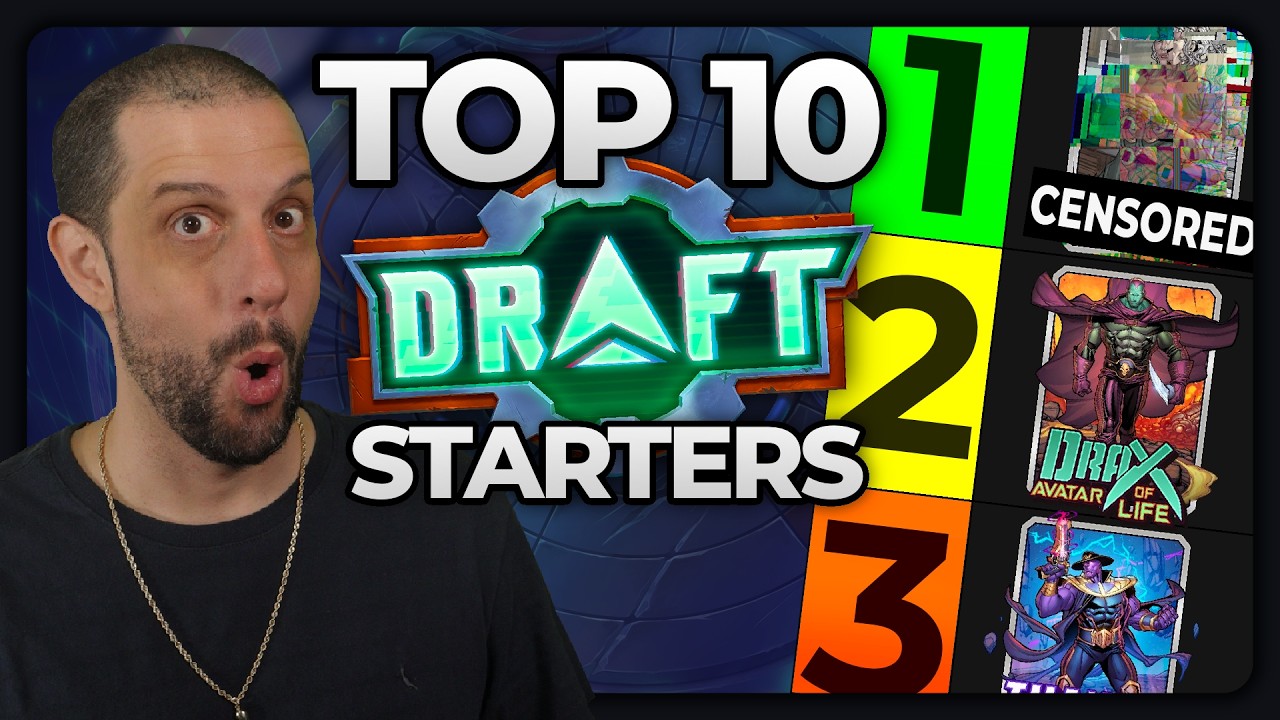
Black Panther led my first MARVEL SNAP Draft starter ranking, while Boost kept turning up throughout the top ten. My advice in that August 25, 2026 video was to look at the cards in the starter pack before getting attached to its archetype label.
This was deliberately a way-too-early list. I was reviewing the first wave of Untapped.gg Draft data and combining how often a starter reached five wins with its average wins per run. The order and figures below preserve that August snapshot.
The early top ten
These are the starters in the order I discussed them, identified by the featured card. The original video shows the pack display alongside the analysis.
| Rank | Featured starter card | What I liked in the August recording |
|---|---|---|
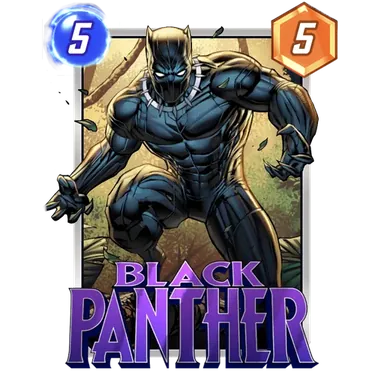
| 1 | Black Panther | The only starter I highlighted above a 50% five-win finish rate. |
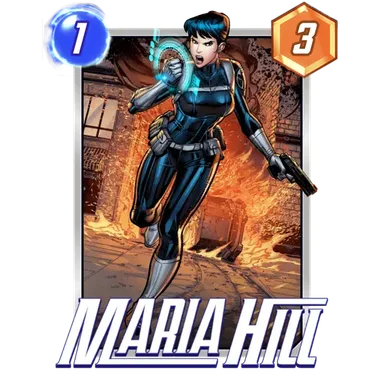
| 2 | Thanos Fractured Frontier | The Maria Hill opening helped set up his shots in the smaller starting deck. |
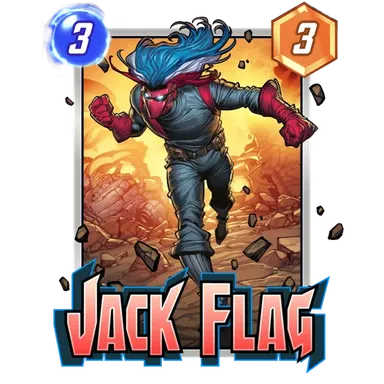
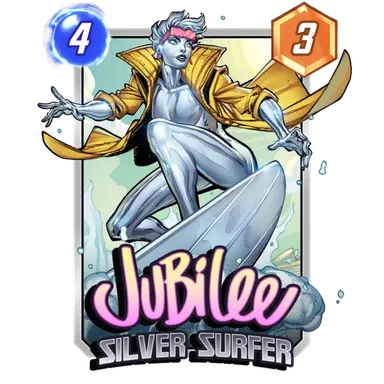
| 3 | Jack Flag | The Jeff the Baby Dolphin!? and Jubilee Silver Surfer combination reinforced his power. |
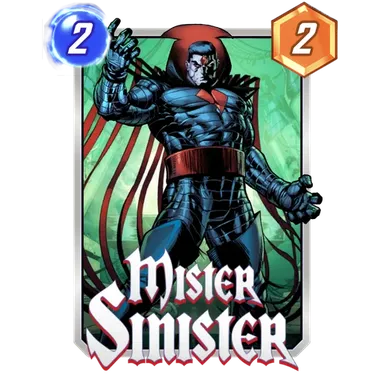
| 4 | Mister Sinister | America Chavez and Okoye supplied a flexible Boost foundation. |
| 5 | Silver Surfer | A Brood pairing and the smaller early deck helped the core combination come together. |
| 6 | Human Torch First Steps | Stick and America Chavez made this a particularly attractive Boost start. |
| 7 | Captain America | The Punisher and Goliath starter illustrated how well Ongoing could use upgrades. |
| 8 | Galacta | More ways to boost Mister Sinister, with useful upgrade possibilities for Galacta. |
| 9 | Archangel | The Destroy starter I was willing to recommend in that early field. |
| 10 | Lasher | Forge and Ironheart could build up a two-drop with a strong affliction payoff. |
The full ranking begins at 2:02 in the original video. For the broader format explanation, the site's starter packs and archetypes guide covers how to think about the opening choice.
Why Boost and Ongoing kept appearing
Lasher was my number ten. The figures I read out were a 44% five-win finish rate and 3.45 average wins. I also distinguished his 38.7% pick rate when offered from overall popularity. Those columns were describing different things: how a pack performed, how often players selected it when they could, and how common it was across runs.
Forge and Ironheart gave that Lasher starter a clear direction. My view was that the early Draft field didn't contain as much interference with that plan as ladder did, so building up the card could produce a large payoff.
Galacta was another Boost card I wanted people watching for, particularly if later upgrades offered cost reduction or Quick Draw. Mister Sinister could carry the buffs, and later picks could extend the plan. At number four, Mister Sinister with America Chavez and Okoye began with two cards already supporting the boost strategy. That left more freedom in choosing what to boost next.
Ongoing appealed to me for a related reason. A power upgrade could interact with the rest of the package rather than end at one card. I talked through Jack Flag, Iron Man and Mystique as examples of that compounding effect.
Captain America had also been a consistent performer in my own Ongoing runs. That was why I was leaning toward those builds and why the Punisher, Goliath and Captain America starter made the list. The Draft augments and upgrades guide provides more context for that part of a run.
Stick was the card I wanted removed
I thought Stick was too good for that version of Draft. I said he should be removed from the mode, and I wasn't taking that position gently.
One of the runs I described had three copies of Stick. One had Encore, and I had also put Mentor on it. The interaction kept spreading value into the other cards. In a mode that allowed multiples and augments, that was exactly the sort of compounding I thought was pushing Boost too far.
Human Torch First Steps was my standout even beyond Stick. I particularly liked him in Boost decks, and the starter with Stick and America Chavez was sixth in the ranking. This was Human Torch First Steps specifically, not the original Human Torch.
My closing view was that taking Stick out would bring Boost closer into line. I still considered Ongoing good, while several other archetypes needed more help from their augments.
Smaller early decks helped the big combinations
For Silver Surfer, I focused on how readily an early combination could come together in a smaller deck. Getting through the opening rounds with the key pieces was part of why I liked that starter. Brood was already doing something useful alongside Surfer.
The Jack Flag starter had another clear sequence: Jeff the Baby Dolphin!? into Jack Flag into Jubilee Silver Surfer. I liked how those cards reinforced one another before asking the later draft picks to add anything else. Jubilee Silver Surfer is the named card in that combination; it is separate from the Silver Surfer starter at number five.
Thanos Fractured Frontier reached number two. I discussed the starter with Maria Hill and Jane Foster Fractured Frontier, particularly how playing Maria Hill early and following with her generated two-drop helped prepare the shots. From there, I thought the deck had considerable freedom in what it drafted.
Black Panther led, but the complete combo was never guaranteed
Black Panther was first because of the performance I was seeing in that early data. I called out that it was the only starter to cross a 50% five-win finish rate and that its average was approaching four wins per attempt.
Wong and Arnim Zola were possible later picks I wanted to grab when they appeared. Neither was guaranteed. That distinction mattered: ranking the Black Panther starter first did not mean every run started with the full Wong, Black Panther and Arnim Zola combination.
Archangel showed the other side of reading individual packs. I was down on Destroy generally but still liked that particular start. I also pointed out that none of the eight Move starters I was looking at cleared my 38% five-win threshold. Those were judgments about the early August sample. The individual cards and the augments available to them were what I wanted players to examine.